


Social Anxiety
Care Options and Resources for Social Anxiety
Social Anxiety can make everyday moments feel intense and exhausting. This category page pulls together practical browsing tools and plain-language education. It focuses on social anxiety disorder (also called social phobia) and common support options. Use it to compare resources, understand care pathways, and plan next steps. It also helps caregivers find clear, organized information.
Care access can vary by state, plan, and pharmacy rules. Medispress offers video visits in a secure, HIPAA-compliant mobile app.
Social Anxiety What You’ll Find
This collection brings together condition-specific navigation and supporting education. Some items focus on symptoms, triggers, and daily coping skills. Others explain what a clinician may ask during an evaluation for social anxiety disorder. The goal is to reduce guesswork while browsing.
This page also connects related anxiety conditions for easy comparison. Browsing nearby categories can help clarify overlapping symptoms and terminology. See Anxiety for broader anxiety topics. For persistent, wide-ranging worry, compare with Generalized Anxiety Disorder.
Some people arrive here after a new diagnosis. Others come to organize questions before a visit. Caregivers often use this page to understand terms and expectations. The content stays administrative and educational, not prescriptive.
- Clear definitions of social anxiety signs and common triggers
- High-level overviews of social anxiety treatment approaches
- Guidance on what to track before a visit or follow-up
- Navigation to related mental health and access resources
How to Choose
Different resources solve different problems. Some help with daily functioning at school or work. Others help structure a clinician conversation or a therapy plan. Social Anxiety can also overlap with depression and other anxiety types.
Match the resource to the situation
- Look for content that matches the setting, like work, school, or dating.
- Prefer materials that explain goals, not just labels and symptoms.
- Check whether the focus is teens, adults, or caregiver support.
- When therapy is discussed, note CBT for social anxiety and skills practice.
- For exposure therapy for social anxiety, look for staged, supervised framing.
- Watch for content that mentions avoidance patterns and safety behaviors.
Why it matters: The right format makes it easier to apply ideas consistently.
Prepare for a telehealth conversation
- Bring a short symptom timeline, including start points and flare-ups.
- Note physical symptoms, like blushing, sweating, or shaking.
- List current medicines, supplements, caffeine use, and alcohol use.
- Write down past therapy experiences and what did not help.
- Plan privacy and audio before starting a video call.
For visit planning details, review Virtual Doctor Appointment Checklist. If setup problems happen, Tech Troubles Tips covers common fixes.
Safety and Use Notes
Information online can feel overwhelming, especially during high stress. This section sets guardrails for interpreting what gets discussed. Social Anxiety treatment often involves skill-building, therapy, and sometimes prescription options. A clinician should tailor decisions to medical history and current symptoms.
Medispress connects patients with licensed U.S. clinicians for evaluation and care planning.
Many resources mention CBT for social anxiety and exposure-based practice. These approaches often use structured exercises with clear goals. They also address thinking patterns that can intensify fear and avoidance. For a plain-language condition overview, see this NIMH overview of social anxiety disorder.
- Do not stop a prescription abruptly without clinician guidance.
- Side effects and interactions can happen with many medications.
- Alcohol and sedating medicines can raise safety concerns.
- Driving and work hazards may apply during medication changes.
- Worsening mood, agitation, or self-harm thoughts need urgent attention.
Some people also have panic symptoms, trauma history, or substance use concerns. Those factors can change which supports make sense. A good care plan considers sleep, nutrition, and daily routines too.
Access and Prescription Requirements
Getting care often involves a few administrative steps. Social Anxiety may be managed with therapy alone, or alongside medication, depending on the person. Prescription rules depend on the medication type and state regulations. Some options require regular check-ins and updated medical history.
When clinically appropriate, clinicians can coordinate prescriptions with partner pharmacies, following state requirements.
- Prescription medications require a clinician evaluation and an active prescription.
- Pharmacies may confirm identity and check for interaction concerns.
- Refill timing can depend on the prescription directions and dispensing laws.
- Some medications have extra controls and stricter refill policies.
- Cash-pay options, often without insurance, may be available in some cases.
Quick tip: Keep a current medication list in the app notes.
For practical pharmacy terminology, read Prescription Rx Basics. For an overview of visit-to-prescription steps, see Prescriptions Online Through Telehealth. For general cost considerations, Prescription Savings Tips discusses safe ways to compare options.
Related Resources
Social Anxiety rarely exists in a vacuum. Stress, sleep loss, and isolation can amplify symptoms over time. This browse page pairs well with supportive lifestyle reading. It also helps caregivers find steady, repeatable routines that reduce friction.
- Nutrition And Mental Health for food, mood, and energy basics
- Tips For Better Sleep Habits for simple sleep structure ideas
This content is for informational purposes only and is not a substitute for professional medical advice.

Find suitable medication for Social Anxiety





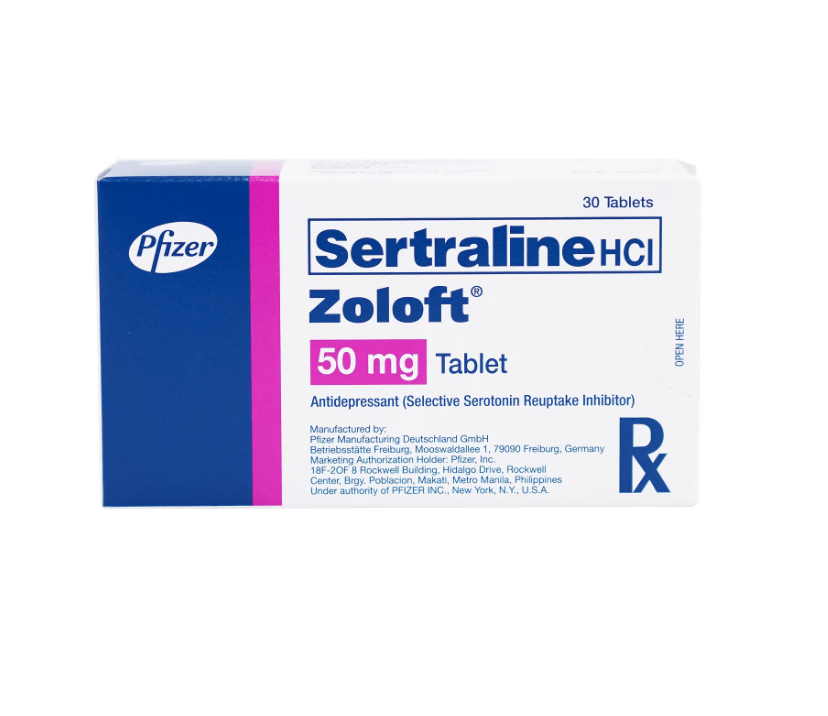


Book a telehealth visit to discuss Social Anxiety
Find a doctor
Speciality
State

Video Visit
$69

Video Visit
$69

Video Visit
$69

Video Visit
$69

Video Visit
$69

Video Visit
$69

Speciality: Dermatology, Family Medicine, Men's Health, Urgent Care, Women's health
Speaks: English, Spanish, French, Arabic, Portuguese
Video Visit
$69

Video Visit
$69

Video Visit
$69

Video Visit
$69

Video Visit
$69

Video Visit
$69
Frequently Asked Questions
What will I find on the Social Anxiety category page?
This page brings together browsing links and education related to social anxiety disorder. It may include condition-focused guidance, care access information, and related mental health topics. It is designed for patients and caregivers who want organized, practical context. Use it to compare terminology, understand common care pathways, and find helpful preparation resources for a clinician visit. The page does not replace a diagnosis or a personalized treatment plan.
Is social anxiety the same as being shy?
Shyness is common and does not always affect daily function. Social anxiety disorder usually involves a stronger fear of judgment or embarrassment. It can lead to avoidance of school, work, or social situations. People may also have physical symptoms, like sweating or shaking. A clinician can help sort out whether symptoms fit social anxiety disorder or another condition. The difference often comes down to intensity, duration, and impact on everyday life.
What information is helpful to gather before a telehealth visit?
It helps to gather a short symptom timeline and common triggers. Note the settings that feel hardest, such as meetings or eating in public. Include physical symptoms and any panic-like sensations. Bring a current list of medicines, supplements, caffeine, and alcohol use. Past therapy experience and prior medication reactions can also matter. For site actions, it also helps to confirm internet quality and a private space for the appointment.
Do all social anxiety treatments involve prescription medication?
Not always. Many care plans focus on therapy approaches, like cognitive behavioral therapy and structured skills practice. Some people also use supportive strategies, like routine building and mindfulness techniques. Medication may be discussed when symptoms are persistent or highly impairing, or when other conditions occur alongside social anxiety. Only a licensed clinician can decide what is appropriate based on history, symptoms, and safety considerations. This page provides education and navigation, not medical direction.
When does social anxiety become a safety concern?
Safety concerns can arise when anxiety leads to severe impairment, isolation, or worsening depression. Urgent concern also applies when someone reports self-harm thoughts, intent, or a plan. In the U.S., the 988 Suicide & Crisis Lifeline is available for immediate support. New confusion, extreme agitation, or substance-related symptoms can also require urgent evaluation. A clinician can help determine appropriate next steps and whether higher-level care is needed.