


Small Lymphocytic Lymphoma
Care Options and Resources for Small Lymphocytic Lymphoma
Small Lymphocytic Lymphoma can raise many questions for families today. This category page helps patients and caregivers compare terms and next steps.
SLL is an indolent B-cell lymphoma (slow-growing immune-cell cancer) in lymph nodes. It closely relates to CLL, which often involves blood and marrow. For overlap and shared terminology, also browse Chronic Lymphocytic Leukemia.
This page supports practical reading and browsing, not medical decision-making. It highlights common symptom language, testing terms, and treatment categories. It also explains what people mean by watchful waiting, targeted therapy, and supportive care.
Small Lymphocytic Lymphoma: What You’ll Find
Listings and resources on this browse page focus on everyday clarity. Expect plain-language explanations alongside clinical terms used in oncology notes. Many people start here after a new biopsy, scan result, or referral.
Terminology can feel dense at first. This page breaks down phrases like lymph node biopsy, immunophenotype (cell marker pattern), and pathology (microscope findings). It also clarifies how clinicians may discuss staging, prognosis, and monitoring plans.
Medispress connects people to licensed U.S. clinicians through video visits.
- Definitions for SLL, indolent lymphoma, and related B-cell conditions
- Common symptom language, including swollen nodes and fatigue patterns
- Diagnosis terms like flow cytometry and CD5/CD23 marker discussions
- Staging basics and what imaging can and cannot show
- Treatment categories, including anti-CD20 antibodies and targeted therapy classes
- Questions to bring to an oncology visit, organized by topic
How to Choose
Different people use this page for different goals. Some are learning the basics, while others compare care pathways. Use the sections below to stay organized while browsing.
Match resources to the current care phase
- Start with the confirmed diagnosis source, often a lymph node biopsy report.
- Note whether clinicians describe disease as stable, progressing, or relapsed.
- Separate symptom tracking from treatment planning, since they raise different questions.
- Look for mentions of SLL vs CLL when reports use both terms.
- Flag high-impact findings, like TP53 mutation or 17p deletion discussions.
Compare clinical details without over-interpreting
- Check which tests the resource references, such as imaging and blood work.
- Watch for terms like immunophenotype, CD5 CD23 positive lymphoma, or Ki-67.
- Notice if the content explains watchful waiting as structured monitoring.
- Prefer resources that define staging language in simple, consistent words.
- Write down questions instead of assuming a single best treatment path.
Small Lymphocytic Lymphoma care can change over time and across settings. A short list of questions often helps visits feel more productive.
Safety and Use Notes
Many therapies used in lymphoma care can affect infection risk or bleeding risk. Others can interact with common medications and supplements. A clinician usually reviews current medicines before any new prescription starts.
For a national reference, review the NCI CLL/SLL patient guide. For plain-language explanations, see the Leukemia & Lymphoma Society CLL information.
Why it matters: Side effects may look like everyday illness, so context matters.
The Medispress app uses HIPAA-focused protections for video and messages.
- Prescription-only drugs require a valid prescription and pharmacy verification.
- Lab trends and scan notes need interpretation within the full clinical picture.
- Some people discuss vaccines and infection precautions with an oncology team.
- Supportive medications may still carry interaction risks and monitoring needs.
- New, severe symptoms can warrant urgent in-person assessment.
Access and Prescription Requirements
This browse page may reference prescription options that require clinician review. Access depends on medical history, current findings, and state regulations. Some people use cash-pay options, sometimes without insurance, for visit access.
When appropriate, clinicians can coordinate prescriptions through partner pharmacies under state regulations.
People often benefit from keeping key documents in one place. That includes recent pathology summaries, medication lists, and prior imaging notes. Clear records can reduce repeat questions across appointments.
Quick tip: Save PDFs of reports so they are easy to upload.
- Expect identity and prescription checks when regulated medications appear.
- Have allergies, current medicines, and supplements ready for review.
- Ask what follow-up information supports decisions, such as labs or imaging.
- Use cash-pay access, often without insurance, when coverage is uncertain.
- Contact emergency services for severe breathing issues or fainting.
Related Resources
Small Lymphocytic Lymphoma rarely exists in isolation from daily health needs. These related pages support navigation across conditions and practical wellness topics.
To compare other condition collections, browse Non Small Cell Lung Cancer, Small Cell Lung Cancer, or ALK Positive NSCLC. For day-to-day support, explore Better Sleep Habits, Nutrition And Mental Health, Telehealth For Seniors, and Family Healthcare Easier.
- Use related condition pages to compare vocabulary across diagnoses.
- Use wellness resources to support routines during monitoring or treatment.
- Keep a simple question list for future appointments and second opinions.
- Revisit this page when new lab terms or therapies appear in notes.
This content is for informational purposes only and is not a substitute for professional medical advice.

Find suitable medication for Small Lymphocytic Lymphoma
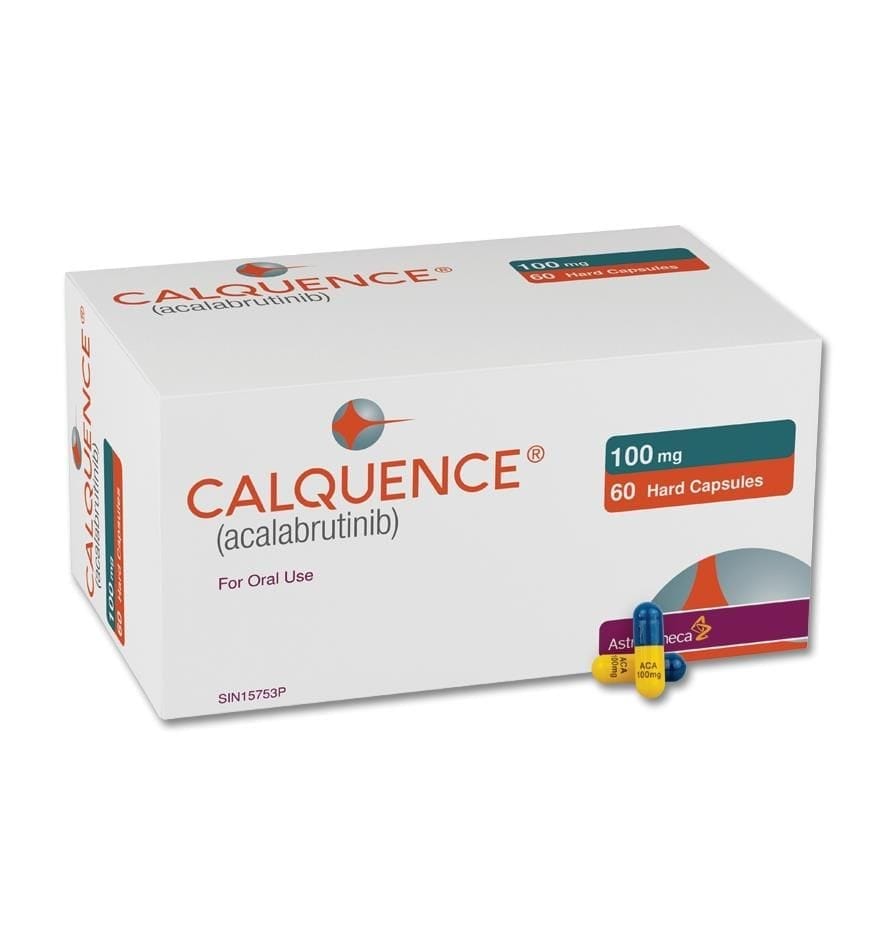

Book a telehealth visit to discuss Small Lymphocytic Lymphoma
Find a doctor
Speciality
State

Video Visit
$69

Video Visit
$69

Video Visit
$69

Video Visit
$69

Video Visit
$69

Video Visit
$69

Speciality: Dermatology, Family Medicine, Men's Health, Urgent Care, Women's health
Speaks: English, Spanish, French, Arabic, Portuguese
Video Visit
$69

Video Visit
$69

Video Visit
$69

Video Visit
$69

Video Visit
$69

Video Visit
$69
Frequently Asked Questions
What does this category page include?
This category page focuses on practical education and navigation. It summarizes common terms found in pathology reports, imaging notes, and visit summaries. It may also point to prescription-related topics that require clinician review. The goal is to help patients and caregivers browse information in an organized way. It does not replace an oncology visit or individualized medical guidance.
How is SLL different from CLL?
SLL and CLL describe closely related diseases on the same spectrum. Clinicians often use SLL when lymphoma cells mainly involve lymph nodes. They often use CLL when similar cells appear in blood and bone marrow. Many lab markers and treatment categories overlap. A clinician can explain which label fits current findings and why the wording matters for documentation.
What information should be ready before scheduling a visit?
Having core records available can make a telehealth visit smoother. Helpful items include a pathology summary, any flow cytometry results, and recent imaging impressions. A current medication list, allergies, and supplement use also matter. If available, include prior oncology notes that mention staging or genetic markers. Coverage details can help with administration, but cash-pay is also common.
Can telehealth help with follow-up questions about SLL care?
Telehealth can work well for non-urgent questions and care coordination. A clinician may review symptom updates, explain lab trends, and clarify common terms. Some visits focus on understanding options, risks, and next steps. Telehealth is not appropriate for emergencies or severe new symptoms. In those cases, in-person urgent or emergency care is the safer route.
When should urgent in-person care be considered?
Some symptoms need prompt, in-person evaluation, even during monitoring. Examples include severe shortness of breath, chest pain, fainting, confusion, or uncontrolled bleeding. High fever with chills can also be concerning, especially if immune function is affected. This page cannot triage individual situations. If symptoms feel severe or rapidly worsening, urgent care or emergency services are appropriate.