


Skin And Soft Tissue Infection
Care Options for Skin And Soft Tissue Infection
Skin And Soft Tissue Infection problems can affect the skin surface or deeper layers. This category page helps patients and caregivers compare common terms, care settings, and next steps. It also supports browsing condition-aligned options that clinicians may consider when appropriate.
SSTI (skin and soft tissue infection) is a broad clinical label. It can include cellulitis, abscess, impetigo, erysipelas, folliculitis, carbuncle, and wound infection. Some infections follow a cut, bite, or shaving irritation. Others appear around eczema, athlete’s foot, or chronic swelling.
Skin And Soft Tissue Infection: What You’ll Find
This collection brings together practical browsing points for common skin infection types. It focuses on plain-language explanations and clinical terms side by side. It also highlights what often differs between conditions that look similar.
Many people start by comparing skin infection symptoms like redness, warmth, swelling, drainage, and tenderness. This page helps organize those descriptions without implying a diagnosis. It also notes terms that may show up in care plans, like incision and drainage (a procedure to release pus) for some abscesses.
For nearby browse paths, see Skin Infection and MRSA Infection collections.
- Plain-language definitions for common SSTI labels
- Examples of what clinicians consider in outpatient SSTI care
- Administrative basics for prescriptions, when relevant
- Safety context for higher-risk infections and complications
Visits are by video with U.S.-licensed clinicians.
How to Choose
Sorting options gets easier after naming the likely category and context. Skin And Soft Tissue Infection is a wide bucket, so labels can feel overlapping. The most helpful filters often relate to location, severity, and how fast changes occur.
Match the label to the situation
- Body area involved, including face, hands, groin, or feet
- Skin break present, like a cut, scrape, or surgical incision
- Drainage or a lump suggesting an abscess versus flat redness
- Recent exposures, like gyms, contact sports, or shared towels
- History of recurrent boils or known staph skin infection
- Risk factors like diabetes, leg swelling, or immune suppression
When terms suggest bacteria types, these browse pages can help. See Bacterial Infection for general terminology. For mixed oxygen settings, review Anaerobic Bacterial Infection language. For yeast and mold overlap, explore Fungal Skin Infection resources.
Bring clear details to any visit
- When the problem started and how quickly it changed
- Any fever, chills, or new fatigue symptoms
- Photos from day one and from the most recent day
- Current medicines and known drug allergies
- Prior episodes, including MRSA skin infection history
- Care setting needs, like school notes or work restrictions
Safety and Use Notes
Skin And Soft Tissue Infection ranges from mild irritation to urgent emergencies. Some patterns need same-day, in-person assessment for safety. This is more common with severe pain, rapid spreading, or systemic symptoms.
Why it matters: Early recognition can reduce complications and unnecessary delays.
Higher-risk situations can include diabetic foot infection, surgical site infection, and immunocompromised skin infection. Clinicians also watch for necrotizing fasciitis (rapid, tissue-damaging infection) and necrotizing soft tissue infection signs. These are uncommon, but they can progress quickly and require hospital care.
- Fast-spreading redness, streaking, or swelling over hours
- Severe pain that feels out of proportion to the skin changes
- Fever, confusion, dizziness, or trouble staying hydrated
- Infection near the eye, mouth, genitals, or deep wounds
- New numbness, dusky skin color, or blistering
- Worsening symptoms in infants or pediatric skin infection cases
For guideline background, see IDSA skin and soft tissue infection guidance. For MRSA basics, see CDC MRSA overview.
Appointments run in our secure, HIPAA-compliant app.
Some complications involve spread beyond the skin, like deeper soft tissue involvement. Others relate to recurring infections, scarring, or slow wound healing. People with chronic swelling or poor circulation may also face repeat cellulitis episodes. A clinician can help interpret patterns and risk level.
Access and Prescription Requirements
Some Skin And Soft Tissue Infection care includes prescription-only medications. Others focus on procedures, wound care, or monitoring. The right path depends on severity, location, and the suspected cause.
When a prescription is needed, pharmacies must verify it before dispensing. Medispress supports telehealth evaluations and prescription coordination when clinically appropriate. Cash-pay options are available, often without insurance, depending on the service.
- Prescription requirements vary by medication and state regulations
- Some cases need in-person care for drainage or imaging
- Medication options can differ for staph versus streptococcal patterns
- Allergy history can change which antibiotics are considered
- Follow-up may be needed if symptoms change or worsen
Clinicians make clinical decisions; partner-pharmacy options follow state rules.
Related Resources
Related browse pages can help when the diagnosis is still uncertain. The Skin Infections collection groups similar concerns under one roof. If clinicians worry about deeper spread, the Bone And Joint Infection page offers adjacent context for terminology.
Some skin issues link to chronic conditions that affect healing. For general background reading, see Hyperglycemia Warning Signs and Reverse Prediabetes Tips. These guides focus on symptom awareness and lifestyle context.
Quick tip: Keep a short timeline and clear photos ready for appointments.
- Review common names like cellulitis, impetigo, and folliculitis
- Compare terms like abscess, boil, and carbuncle
- Learn what “wound infection” may mean in chart notes
- Understand why some cases need urgent in-person evaluation
This content is for informational purposes only and is not a substitute for professional medical advice.

Find suitable medication for Skin And Soft Tissue Infection



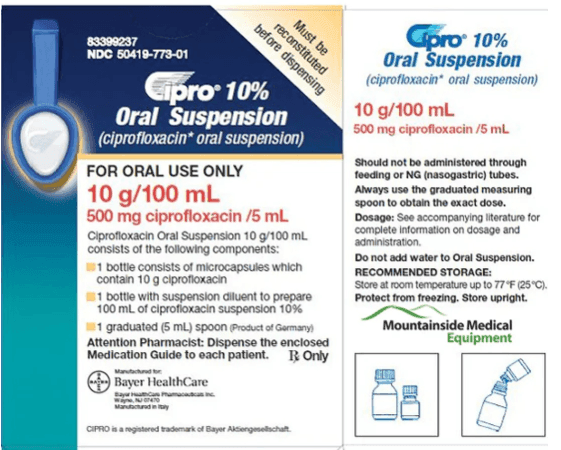


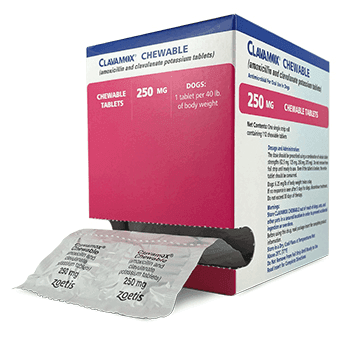

Book a telehealth visit to discuss Skin And Soft Tissue Infection
Find a doctor
Speciality
State

Video Visit
$69

Video Visit
$69

Video Visit
$69

Video Visit
$69

Video Visit
$69

Video Visit
$69

Speciality: Dermatology, Family Medicine, Men's Health, Urgent Care, Women's health
Speaks: English, Spanish, French, Arabic, Portuguese
Video Visit
$69

Video Visit
$69

Video Visit
$69

Video Visit
$69

Video Visit
$69

Video Visit
$69
Frequently Asked Questions
What counts as a skin and soft tissue infection (SSTI)?
SSTI is a clinical umbrella term for infections of skin layers and nearby tissue. It may include cellulitis, abscesses, impetigo, folliculitis, or infected wounds. Some problems stay on the surface. Others reach deeper tissue and need urgent care. This browse page groups related terms and pathways. It does not confirm a diagnosis. A licensed clinician determines the condition and appropriate care.
What details help when browsing options on this page?
Start with the location and how fast symptoms changed. Note whether there is a cut, bite, or surgical incision. Look for terms like drainage, boil, or abscess in prior notes. Include any history of recurrent infections or prior MRSA. Consider risk factors like diabetes, swelling, or immune suppression. These details help compare labels and resources. They also help clinicians understand the context during an evaluation.
When is a skin infection an emergency?
Emergency care is often considered with rapidly spreading redness or swelling. It can also be urgent with severe pain, high fever, confusion, or dehydration. Infections near the eye, genitals, or deep wounds can be higher risk. Blistering, darkening skin, numbness, or fast decline can also matter. People who are immunocompromised or have diabetes may need faster evaluation. A clinician can help sort the safest care setting.
Do antibiotics always treat these infections?
Not always. Some infections are not bacterial, so antibiotics may not help. Some abscesses need a procedure, such as drainage, to improve. Even with bacterial causes, antibiotic choice depends on suspected germs and allergy history. Clinicians also consider severity, body area, and prior MRSA risk. This page offers terminology and browsing support. A licensed clinician decides whether antibiotics or another approach fits the situation.
How do prescriptions work through Medispress?
Medispress supports video visits with licensed U.S. clinicians in a secure app. Clinicians make all medical decisions during the evaluation. When clinically appropriate, they may coordinate prescription options through partner pharmacies. Pharmacies verify prescriptions before dispensing, as required by law. Availability can vary by state rules and medication type. Some services may be cash-pay, often without insurance. This process does not guarantee a prescription.