


Sinus Pressure
Care Options for Sinus Pressure
Sinus Pressure can feel like a heavy, tight band across the face. Some people notice a sinus pressure headache or pain behind eyes. Others report sinus pressure in forehead, ear pain, or tooth pain. Symptoms may also overlap with allergies, colds, or sinus infection symptoms. This category page helps patients and caregivers compare common patterns and next-step options. It also connects related condition collections and practical telehealth preparation guides.
Medispress offers flat-fee video visits with licensed U.S. clinicians.
Sinus Pressure: What You’ll Find
This browse page focuses on practical navigation and clear symptom language. It highlights common terms people use when searching, plus clinical labels clinicians use. That includes sinus congestion and pressure, acute sinusitis symptoms, and chronic sinusitis management. It also covers overlap topics like sinus pressure and dizziness, or sinus pressure without fever.
Listings on this page may help compare likely triggers and timing clues. Examples include allergies and sinus pressure, or barometric pressure and sinuses. Notes can also help sort sinus pressure vs migraine, or sinus pressure vs tension headache. Those comparisons matter because treatments and safety considerations can differ.
Why it matters: Similar symptoms can point to different causes and different risks.
- Links to related condition collections, like Sinusitis
- Navigation to nearby symptom collections, like Sinus Congestion
- Context for infection-related browsing, including Sinus Infection
- Preparation resources for virtual visits and follow-up questions
For visit planning basics, the Virtual Doctor Visit Guide is a helpful starting point. For a quick checklist, see Virtual Doctor Appointment Checklist.
How to Choose
Comparing options starts with describing the symptom pattern clearly. A few details can change the likely explanation and the safety approach. This section can help organize key details before browsing deeper.
Symptom pattern clues
- Location of discomfort, such as cheek, forehead, or behind eyes
- Presence of nasal blockage, drainage, or reduced sense of smell
- Timing and triggers, including seasonal allergies or weather shifts
- Associated symptoms, like ear fullness, dizziness, or dental pain
- Fever, severe fatigue, or symptoms that keep worsening
Questions to keep handy
- Does the story fit sinus pressure remedies, or a migraine pattern?
- Is the pain one-sided, throbbing, or linked with nausea?
- Are symptoms tied to travel, altitude, or barometric changes?
- Is there a history of recurrent sinus infections or nasal polyps?
- Are there pregnancy or heart conditions that change OTC choices?
People comparing Sinus Pressure often want simple, non-drug comfort steps too. Common searches include steam inhalation for sinus relief and natural sinus pressure relief. Another frequent topic is nasal irrigation for sinus pressure, including neti pot sinus rinse. Comfort methods can be discussed as supportive measures, while keeping safety in view.
For telehealth communication tips, use Top Questions To Ask to structure the conversation. For visit format basics, review Telehealth Online Basics.
Safety and Use Notes
Information here is meant to support browsing, not replace clinical judgment. Product labels and clinician guidance should lead, especially with complex histories. This is important with combo cold products, where ingredients can overlap. It also matters for anyone considering decongestants and antihistamines guide topics.
Some options may not be a fit for everyone. Decongestants can raise safety questions for people with high blood pressure. Antihistamines may cause drowsiness or dry mouth in some users. Pain relievers and cough-and-cold products can interact with other medications. Pregnancy also changes the risk-benefit discussion, including sinus pressure during pregnancy.
Visits happen in a secure, HIPAA-compliant app to protect privacy.
Quick tip: When browsing, check ingredients to avoid accidental duplication.
- Follow label directions and warnings, especially for combination products
- Consider whether symptoms match allergy patterns versus infection patterns
- Use extra caution with children, older adults, and pregnancy
- Seek help for severe symptoms, confusion, or breathing trouble
- Use safe water for rinses; see the FDA note on Safe Use Of Neti Pots
Sorting sinus pressure vs migraine can be tricky without context. Migraines often include light sensitivity, nausea, or clear activity triggers. Sinus problems more often pair with congestion, thick discharge, or facial pressure. For a neutral explanation of overlap, see this overview from the American Migraine Foundation.
Access and Prescription Requirements
Some items in sinus care are over-the-counter, while others are prescription-only. Prescription requirements depend on the medication and state rules. When a prescription is needed, a licensed clinician must evaluate the situation. A pharmacy also must verify and dispense the prescription, when clinically appropriate.
Medispress clinicians make the medical decisions during telehealth evaluations.
Many people browsing this category are also thinking about access. Cash-pay options, often without insurance, may be available for certain visits. Pharmacy fulfillment and availability can vary by location and regulations. If a prescription is considered appropriate, clinicians may coordinate options through partner pharmacies, when allowed by state law.
For an overview of how prescription requests work online, see Prescriptions Through Telehealth Visits. For smoother logistics, the guide Tech Troubles Tips can reduce delays during a video visit.
Related Resources
This collection pairs best with nearby condition pages and visit-prep resources. Browsing related pages can help separate congestion-led symptoms from infection-led symptoms. It can also help frame what causes sinus pressure in plain language. Start with Sinus Congestion for blockage-dominant symptoms. Review Sinus Infection when symptoms feel more systemic or worsening. For broader terminology, Sinusitis can provide the clinical umbrella term.
For care coordination, use a short written timeline before scheduling. Include start date, major triggers, and any home remedies tried. Note whether symptoms include ear pain, dental pain, or dizziness. This helps a clinician assess whether the pattern suggests infection, allergy, or migraine overlap. For general background, see this MedlinePlus sinusitis overview.
This content is for informational purposes only and is not a substitute for professional medical advice.

Find suitable medication for Sinus Pressure
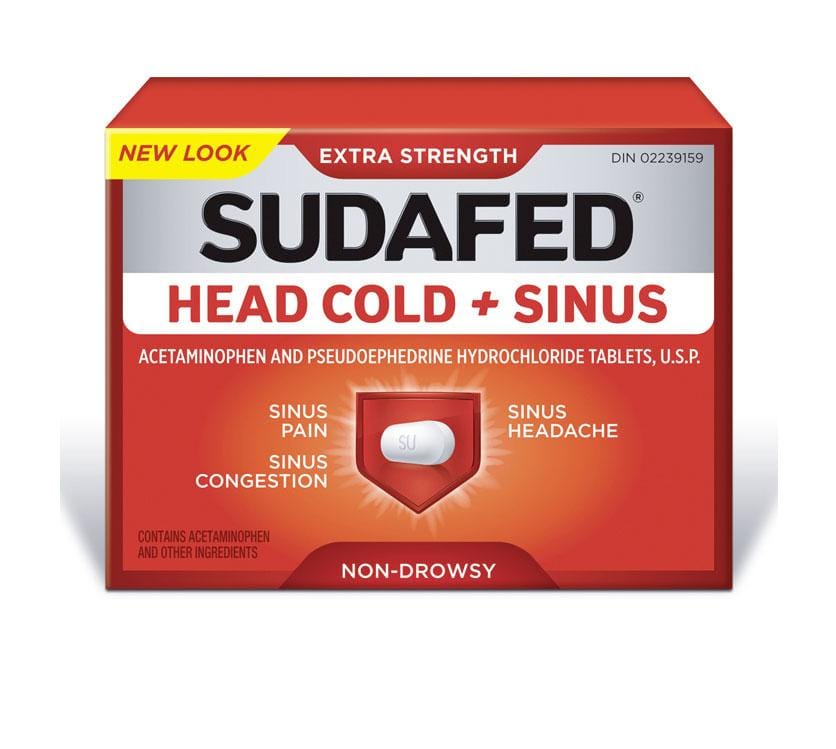
Book a telehealth visit to discuss Sinus Pressure
Find a doctor
Speciality
State

Video Visit
$69

Video Visit
$69

Video Visit
$69

Video Visit
$69

Video Visit
$69

Video Visit
$69

Speciality: Dermatology, Family Medicine, Men's Health, Urgent Care, Women's health
Speaks: English, Spanish, French, Arabic, Portuguese
Video Visit
$69

Video Visit
$69

Video Visit
$69

Video Visit
$69

Video Visit
$69

Video Visit
$69
Frequently Asked Questions
What causes sinus pressure?
Sinus pressure often relates to swelling and fluid buildup in the sinus passages. Common triggers include viral colds, seasonal allergies, and irritants like smoke. Some people notice symptoms after weather shifts, linked with barometric pressure changes. Less often, dental problems or structural issues can contribute. Because facial pain can overlap with migraine and tension headache patterns, context matters. A clinician typically considers congestion, drainage, fever, and symptom duration when sorting likely causes.
How can sinus pressure be distinguished from migraine?
Migraine can mimic sinus symptoms, including facial pain and pressure sensations. Migraine is more likely to include nausea, light sensitivity, sound sensitivity, or clear activity triggers. Sinus-related problems more often come with nasal congestion, thick discharge, reduced smell, or recent upper respiratory infection. Both can cause a headache behind the eyes. Tracking timing, associated symptoms, and response to rest can help organize a clearer history for a clinician.
What information is helpful for a telehealth visit about sinus symptoms?
A short timeline helps the visit stay focused. Note when symptoms started and whether they are worsening or improving. Write down where the pain sits, such as forehead, cheeks, or behind eyes. Include key symptoms like fever, ear pain, tooth pain, dizziness, cough, or thick drainage. List current medications, allergies, and any OTC products already tried, including combination cold medicines. If available, share recent COVID-19 or flu test results and exposure history.
When should urgent care be considered for sinus-related symptoms?
Urgent evaluation is often considered when severe or rapidly worsening symptoms appear. Examples include trouble breathing, confusion, fainting, stiff neck, severe dehydration, or chest pain. Eye swelling, vision changes, or severe one-sided facial swelling can also be concerning. High fever with significant weakness may need prompt assessment. This page is not a diagnostic tool, so local emergency guidance and clinician judgment should lead. When in doubt, err on the side of safety.
Are decongestants, antihistamines, or nasal rinses safe for everyone?
These options can be useful for some people, but safety varies by situation. Decongestants may be a concern for people with certain heart conditions or high blood pressure. Antihistamines can cause drowsiness or dry mouth, especially in older adults. Nasal rinses require careful water safety and clean devices to reduce infection risk. Pregnancy and childhood dosing considerations add extra complexity. A pharmacist or clinician can help check interactions and label warnings based on medical history.