


Sinus Congestion
Care Options for Sinus Congestion
Sinus Congestion can feel like a blocked nose plus head pressure. It may come with a stuffy nose, post nasal drip, or sinus headache. Symptoms can overlap with colds, allergies, and sinus infections. This category page helps patients and caregivers browse common care options. It also highlights related topics that often come up during evaluation.
Use this collection to compare symptom patterns and likely causes. Review home-support measures like humidity, rest, and fluids. Explore medication categories like antihistamines, nasal steroid sprays, and decongestant options. Where available, it can also help identify when an ENT evaluation makes sense.
For nearby topics, browse the Congestion Collection or the Nasal Congestion collection for broader comparisons.
Sinus Congestion What You’ll Find
This page brings together practical information and navigation in one place. It is built for quick scanning, then deeper reading. Many people start with symptom questions, then move to options. Those options can include non-drug supports, over-the-counter choices, and clinician-reviewed prescription pathways.
Several sections focus on common overlaps and “look-alikes.” Allergic rhinitis (nasal allergy inflammation) may feel similar to a cold. Acute sinusitis (short-term sinus inflammation) can mimic both. Persistent blockage may also relate to anatomy, such as a deviated septum. The goal is clarity, not self-diagnosis.
For seasonal patterns, see Seasonal Allergic Rhinitis Relief. For pain patterns, review Common Types Of Headaches.
- Common symptom groupings, including facial pressure and nighttime nasal blockage
- Possible drivers, like colds, allergies, irritants, or chronic sinusitis
- Product and medication categories people often compare for comfort
- Notes on when symptoms may warrant medical evaluation
- Links to related condition collections for easier browsing
Why it matters: Similar symptoms can come from allergies, colds, or sinusitis.
Video visits may connect patients with licensed U.S. clinicians when evaluation is needed.
How to Choose
When comparing options for Sinus Congestion, start with the pattern over time. Notice what else is present with the blockage. Consider whether symptoms follow known triggers, like pollen or dust. Also consider if symptoms cluster with sore throat and body aches.
It can help to sort choices into “comfort supports” and “cause-focused supports.” Comfort supports may include steam inhalation for congestion and hydration. Cause-focused supports depend on whether allergies or infection is suspected. Some people also compare saline nasal rinse routines, including a neti pot sinus rinse. These choices can have safety details worth reviewing first.
Quick tip: Keep a short symptom timeline for easier comparisons later.
Symptom pattern and likely triggers
- Timing: sudden onset versus gradual buildup over several days
- Seasonality: recurring symptoms during pollen seasons or indoor heating months
- Side-to-side difference, which can suggest structural contributors
- Associated signs, like itchy eyes or frequent sneezing
- Thick drainage, fever, or tooth pain, which may change next steps
- Morning congestion versus nighttime nasal congestion, including sleep disruption
Medication and product considerations
- Route: oral products versus nasal sprays or rinses
- Non-drowsy versus drowsy effects, especially with antihistamines for congestion
- Existing health conditions that can limit decongestant options
- Age group needs, including sinus congestion in children
- Pregnancy and postpartum considerations, including pregnancy safe congestion remedies
- Preference for natural sinus congestion relief approaches alongside medications
If facial pressure stands out, browse the Sinus Pressure collection for related comparisons.
Safety and Use Notes
Many options for nasal congestion are available without a prescription. Even so, labels and health history matter. Some products can raise heart rate or blood pressure. Others can cause sleepiness or dry mouth. Topical nasal products can also irritate the nose if overused.
Saline rinses are often used for comfort and mucus clearance. Water quality matters for any neti pot sinus rinse. Use distilled, sterile, or previously boiled and cooled water. Clean and air-dry the device between uses. These details reduce avoidable risk and irritation.
For a neutral overview of sinusitis, see MedlinePlus sinusitis overview. For allergy basics, see AAAAI allergic rhinitis guide.
- Decongestants may not fit some heart, thyroid, or eye conditions
- Some antihistamines can affect alertness and driving safety
- Nasal steroid spray use should follow the product label directions
- Frequent topical spray use can worsen blockage in some people
- Persistent symptoms may point to chronic sinusitis management needs
- An ENT evaluation can help with recurring or one-sided obstruction
The Medispress app uses HIPAA-aligned safeguards for telehealth messaging and video.
Access and Prescription Requirements
Not every option on this page requires a prescription. Some products are over-the-counter, while others are prescription-only. When prescription review is needed for Sinus Congestion, clinicians consider symptoms and medical history. They may also review pregnancy status, age, and other medications. Documentation needs can vary by state and product type.
Medispress supports cash-pay access, often without insurance, where available. For prescription items, pharmacies typically verify the prescription before dispensing. Licensed dispensing rules also apply to shipping and pickup options. Availability can vary based on local regulations and clinical appropriateness.
- Some categories may require an active prescription to view full details
- Identity and medication history checks can be part of safe dispensing
- Telehealth visit quality improves with a stable connection and good lighting
- Keep a current medication list ready for review during intake
For visit prep, read Smooth Virtual Doctor Visit. To understand common use cases, see What Telehealth Can Treat.
When appropriate, clinicians may coordinate prescriptions through partner pharmacies, following state dispensing rules.
Related Resources
Sinus Congestion can connect to several nearby conditions and symptom sets. Exploring adjacent collections can help organize questions for a clinician visit. It can also make it easier to compare common terms like “sinus infection” versus “cold.” If chest symptoms appear too, it may help to review respiratory topics separately.
- Sinusitis Overview for short-term versus chronic inflammation topics
- Chest Congestion for cough and mucus-focused browsing
This content is for informational purposes only and is not a substitute for professional medical advice.

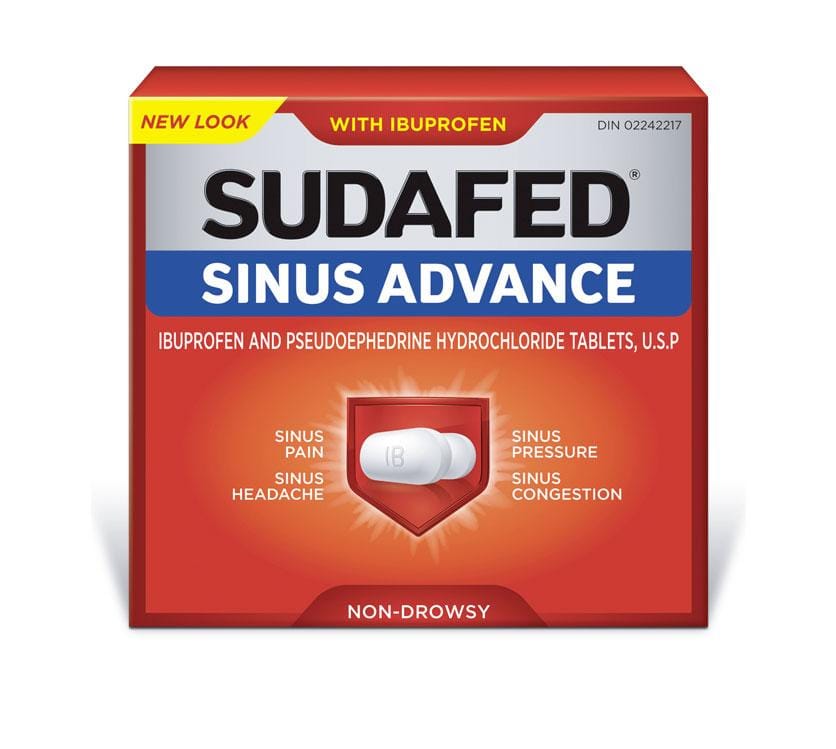
Find suitable medication for Sinus Congestion
Book a telehealth visit to discuss Sinus Congestion
Find a doctor
Speciality
State

Video Visit
$69

Video Visit
$69

Video Visit
$69

Video Visit
$69

Video Visit
$69

Video Visit
$69

Speciality: Dermatology, Family Medicine, Men's Health, Urgent Care, Women's health
Speaks: English, Spanish, French, Arabic, Portuguese
Video Visit
$69

Video Visit
$69

Video Visit
$69

Video Visit
$69

Video Visit
$69

Video Visit
$69
Frequently Asked Questions
What information is included on this Sinus Congestion page?
This page focuses on browsing and orientation. It groups common symptom patterns, likely triggers, and related condition collections. It also points to supportive care topics like saline rinses and humidity. Medication categories may be listed, including options that can be over-the-counter or prescription-only. Links to related resources can help compare similar problems, such as allergy congestion versus a cold.
How do I tell allergy congestion from a cold?
Allergy-related congestion often comes with sneezing, itchy eyes, and clear drainage. Cold and flu congestion more often includes sore throat, fatigue, or body aches. Fever is more typical with viral illnesses than allergies. Timing can also help, since allergies may follow seasons or exposures. If symptoms are severe, persistent, or confusing, a clinician can review the full pattern safely.
When should I consider a clinician visit for congestion?
Medical evaluation can be important when symptoms are severe or prolonged. Worrisome features can include high fever, facial swelling, severe headache, or vision changes. Shortness of breath or chest pain also needs prompt evaluation. Ongoing symptoms that keep returning may suggest chronic sinusitis or structural issues. People with immune compromise, pregnancy, or complex medical histories may benefit from earlier review.
Are decongestant sprays safe to use for several days?
Some topical nasal decongestant sprays can cause rebound congestion with frequent use. Product labels often limit use to short periods for this reason. Other nasal options, like saline sprays, have different safety considerations. It is also important to check age limits and interactions on labels. If a spray seems to worsen blockage or irritation, a pharmacist or clinician can help interpret safer next steps.
What should I prepare for a virtual visit about sinus symptoms?
A short symptom timeline helps a clinician evaluate patterns. Note when symptoms started and whether they are worsening or improving. Have a current medication list ready, including over-the-counter products. If available, share recent temperature readings and any home test results. It also helps to set up good lighting and a stable connection. This makes video assessment and history-taking smoother.