


SIADH
Care Options and Resources for SIADH
SIADH is a cause of low blood sodium (hyponatremia) in adults. It can happen when the body holds extra water. This category page helps patients and caregivers browse clear, practical information. It also supports medication-related navigation when treatment is being considered.
Clinicians may call it syndrome of inappropriate antidiuretic hormone secretion. It is a common cause of euvolemic hyponatremia (normal fluid level, low sodium). Many care plans depend on symptoms, lab trends, and likely triggers. This page explains common terms used in a SIADH workup.
Medispress visits connect people with licensed U.S. clinicians by video.
SIADH What You’ll Find
This collection covers what SIADH means in everyday language. It also explains why sodium can drop even without obvious dehydration. Many resources describe typical SIADH symptoms, like nausea, headache, fatigue, and confusion. Some people have few symptoms until sodium becomes very low.
There is also guidance on how clinicians interpret SIADH labs. That often includes serum osmolality (blood concentration) alongside urine osmolality (urine concentration). Patterns may include low serum osmolality with inappropriately concentrated urine. Some writeups also mention high urine sodium, depending on the situation.
Medication discussions can be confusing, so this page clarifies common terms. Examples include vaptans (vasopressin receptor blockers), demeclocycline, and urea. Hospital-based options may include hypertonic saline for severe cases. The right approach depends on the full clinical picture.
- Plain-language definitions for hyponatremia and water balance
- Common lab patterns used in a differential diagnosis
- Overview of causes, including drug induced hyponatremia triggers
- High-level treatment categories and monitoring concepts
- Practical questions to bring to a clinical visit
How to Choose
Browsing for SIADH information is easier with a simple checklist. Start by matching the resource to the decision being made. Some pages focus on causes and workup terminology. Others focus on medication classes and what monitoring may involve.
Match the resource to the situation
Use these factors to compare resources and plan a discussion. Keep notes on what seems to fit the current context. Avoid making changes based on a single source. Hyponatremia can have multiple overlapping causes.
- Symptom pattern and how quickly symptoms started
- Whether sodium changes seem acute or chronic over time
- Possible triggers like nausea, pain, lung disease, or CNS issues
- Medication list review for drug induced SIADH possibilities
- History that may point to cancer associations, like small cell lung cancer
- Other conditions that can mimic findings, including adrenal insufficiency
- Practical ability to follow a monitoring plan and repeat labs
Know the usual workup terms
Many explanations reference an “algorithm” for hyponatremia. That usually means a stepwise way to interpret labs. The core ideas focus on body fluid status and osmolality patterns. It also includes checking thyroid and adrenal signals when appropriate.
- Serum sodium trends and serum osmolality context
- Urine osmolality and urine sodium interpretation
- Signs of volume depletion versus euvolemic patterns
- SIADH vs cerebral salt wasting comparisons in select settings
- Review of diet, fluid intake patterns, and recent vomiting or diarrhea
Visits run in a HIPAA-aligned app designed to protect health information.
Safety and Use Notes
Hyponatremia can be mild, moderate, or life-threatening. The risk depends on sodium level, speed of change, and symptoms. Severe confusion, seizures, or fainting needs urgent evaluation. Some treatment options require hospital monitoring and frequent lab checks.
For SIADH management, one key safety topic is over-correction. Raising sodium too fast can increase osmotic demyelination risk (brain injury from rapid shifts). Clinicians consider many factors before changing fluids or medications. They also weigh comorbidities, like liver disease, kidney disease, and heart failure.
Why it matters: Rapid sodium changes can harm the brain, even when symptoms improve.
High-level points that often come up in care discussions include:
- Fluid restriction hyponatremia plans may be used in some situations
- Hypertonic saline is typically reserved for severe, monitored settings
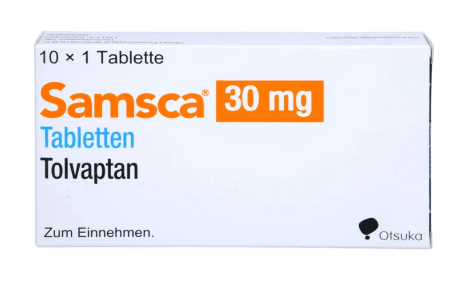
- Vaptans like tolvaptan have specific warnings and monitoring needs
- Demeclocycline can have limitations in certain kidney conditions
- Ongoing monitoring helps avoid relapse and unsafe sodium swings
Access and Prescription Requirements
Some therapies discussed for SIADH are prescription-only in the U.S. Pharmacies also require prescription verification and appropriate patient identifiers. Availability may vary based on state dispensing rules. In some cases, people choose cash-pay options, often without insurance.
For a telehealth visit, having basic records ready can help. That may include a recent medication list and recent sodium results. If available, bring serum and urine osmolality values for context. Notes from recent hospital or urgent care visits can also matter.
Quick tip: Keep lab dates and units together for easier review.
Clinicians make the medical decisions and may coordinate prescriptions through partner pharmacies.
Administrative items that often affect access include:
- Current medication list, including antidepressants and seizure medicines
- Recent lab results showing sodium and related markers
- Relevant diagnoses, such as lung disease, stroke, or malignancy history
- Any past reactions or contraindications noted in the medical record
- Preferred local pharmacy details, when a prescription is appropriate
Related Resources
SIADH is rarely a “one-size” diagnosis, so background reading helps. Useful topics include SIADH pathophysiology (how ADH affects water balance). It also helps to understand common SIADH causes, including medications and lung conditions. Many reviews also cover chronic hyponatremia management and follow-up.
For official prescribing details, review the FDA Samsca label. For guideline context, read the updated European hyponatraemia guideline.
Topics that people often find helpful to compare include:
- SIADH diagnosis criteria and common pitfalls in interpretation
- SIADH differential diagnosis, including endocrine and renal causes
- How clinicians discuss monitoring frequency and safety boundaries
- What symptoms can suggest a need for higher-acuity care
- How drug lists are reviewed for potential contributing agents
This content is for informational purposes only and is not a substitute for professional medical advice.

Find suitable medication for SIADH
Book a telehealth visit to discuss SIADH
Find a doctor
Speciality
State

Video Visit
$69

Video Visit
$69

Video Visit
$69

Video Visit
$69

Video Visit
$69

Video Visit
$69

Speciality: Dermatology, Family Medicine, Men's Health, Urgent Care, Women's health
Speaks: English, Spanish, French, Arabic, Portuguese
Video Visit
$69

Video Visit
$69

Video Visit
$69

Video Visit
$69

Video Visit
$69

Video Visit
$69
Frequently Asked Questions
What does SIADH mean in plain language?
SIADH stands for syndrome of inappropriate antidiuretic hormone secretion. In plain language, it means the body releases too much antidiuretic hormone (ADH), which makes the kidneys hold onto water. That extra water can dilute sodium in the blood, leading to hyponatremia. People may feel fine at first, or they may have nausea, headache, or confusion. The cause can vary, so clinicians focus on symptoms, lab patterns, and possible triggers.
What kinds of information are included on this category page?
This page focuses on browsing-friendly resources tied to SIADH and related hyponatremia topics. It explains common terms used in evaluation, such as serum osmolality and urine osmolality, and why they matter. It also summarizes common causes, including medication-related triggers and some cancers. When medication options are discussed, the content stays high-level and safety-focused. The goal is to support informed conversations during clinical care, not self-treatment.
Which lab patterns are often discussed when SIADH is suspected?
Many explanations describe low serum sodium with low serum osmolality, meaning the blood is more diluted than expected. They may also mention urine osmolality that stays relatively high, which suggests the kidneys are not fully “dumping” water. Urine sodium can be higher as well, depending on intake and overall status. Clinicians also consider thyroid and adrenal factors, plus volume status, because several conditions can mimic similar lab patterns.
When is hyponatremia considered urgent?
Urgency depends on symptoms and how quickly sodium levels change. Severe confusion, seizures, fainting, or trouble staying awake can signal a need for emergency evaluation. Very rapid drops in sodium can be dangerous even at moderate levels. Care is also urgent when there are signs of serious underlying causes, such as infection, stroke, or cancer-related complications. Treatment in urgent settings may involve close monitoring to prevent unsafe sodium shifts.
Can telehealth help with SIADH-related questions?
Telehealth can help with education, record review, and planning questions to discuss with a clinician. A licensed clinician can review reported symptoms, medication lists, and available lab results to assess possible next steps. Some issues still require in-person evaluation, especially when symptoms are severe or sodium is changing quickly. When clinically appropriate, a clinician may coordinate a prescription through partner pharmacies, with requirements that vary by state.