


Shingles
Care Options and Medicines for Shingles
This category page helps patients and caregivers navigate information around Shingles. It covers common shingles symptoms, shingles rash patterns, and care questions. It also links to medication pages that explain prescription options and safety basics.
Many people look for early signs of shingles, clear shingles pictures, and typical shingles stages. Others need context for shingles pain, shingles causes, and shingles diagnosis terms. This collection keeps those topics close to the medications clinicians may consider.
Care visits on Medispress happen by video in a secure, HIPAA-compliant app.
Shingles What You’ll Find
This collection brings together antiviral and supportive-care medication information in one place. Each medication page explains what the drug is for and how it is prescribed. It also highlights common precautions, interaction checks, and what to prepare for a visit.
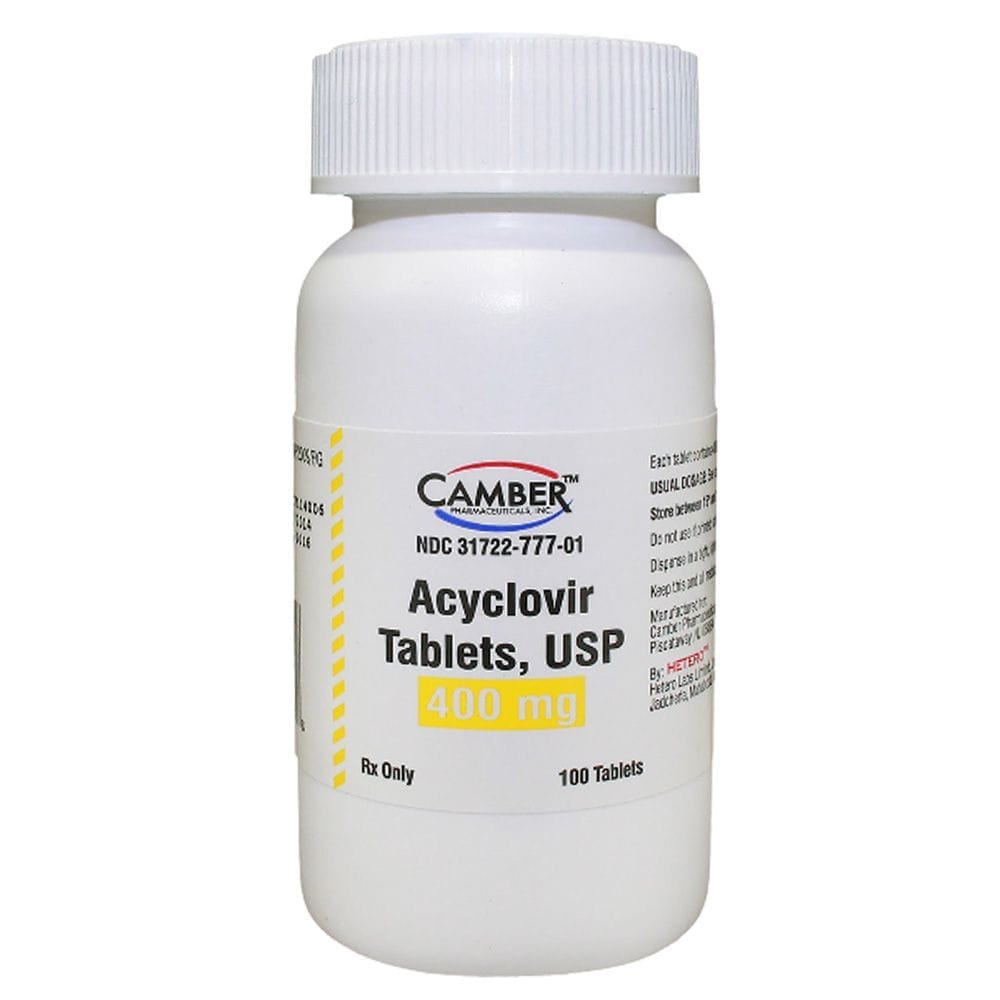
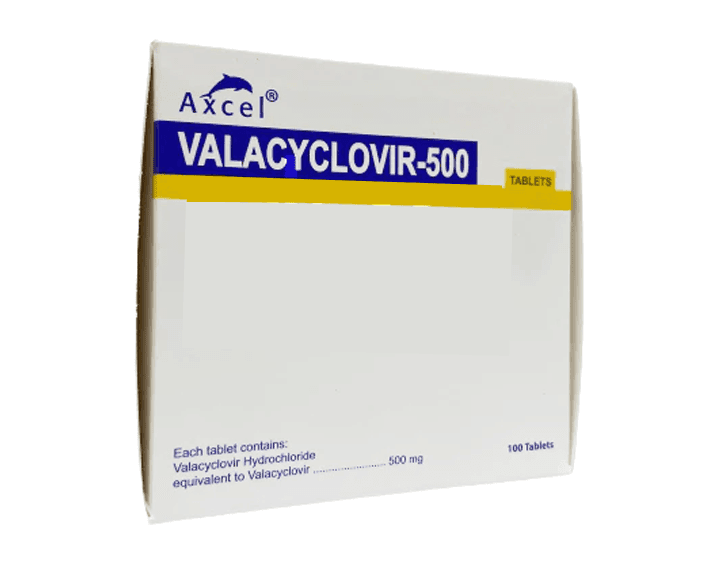
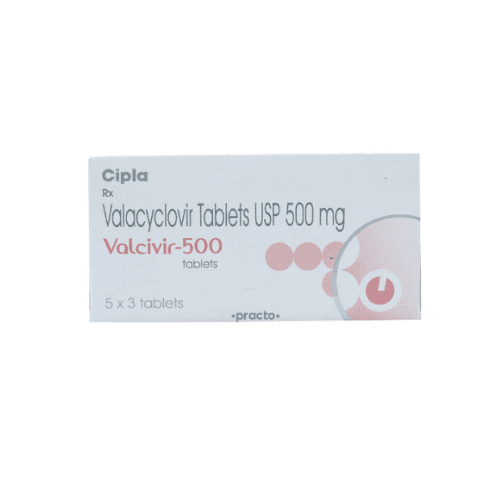
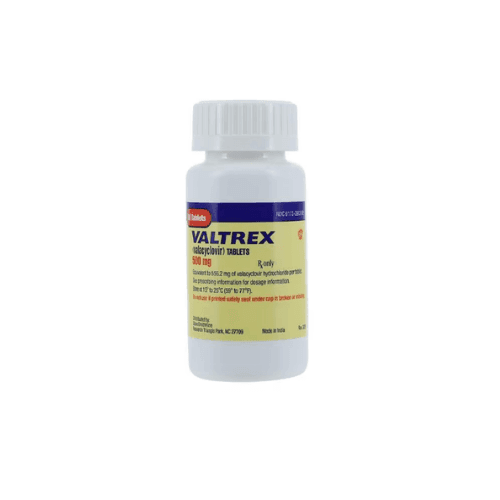
For antivirals, browse Valacyclovir, plus brand pages like Valtrex and Valcivir. Some people also ask about topical acyclovir products, including Zovirax Cr 5 and Zovirax Oint 5. These pages focus on what the medication is and what to discuss with a clinician.
Quick tip: Keep a simple symptom timeline for accurate visit notes.
- Medication overviews for antivirals and other options
- Plain-language explanations of common terms and side effects
- Notes on prescription status and verification where required
- Links for deeper reading on pain and complication topics
How to Choose
People often arrive with different questions and different rash locations. Some worry about shingles on face, shingles on scalp, or a blistering band pattern. Others want clarity on shingles vs chickenpox, or whether shingles contagious concerns apply.
Compare options by the information you already have
- Symptom start date, including when pain began versus rash onset
- Rash location and spread, including near the eye or on the face
- Current medication list, including supplements and topical products
- Health history that affects medication choice, like kidney disease
- Allergy history and prior reactions to antivirals or pain medicines
- Past shingles complications, including postherpetic neuralgia (persistent nerve pain)
Questions to discuss during a clinical review
A clinician may ask about fever, fatigue, or burning sensations before the rash. They may also ask about prior chickenpox infection or vaccination history. These details can support a shingles diagnosis discussion, even before lab testing.
- What symptoms suggest a different cause for the rash
- How to describe pain quality, like stabbing, tingling, or burning
- What side effects matter most for work, driving, or sleep
- Whether medication interactions need extra monitoring
- Which follow-up signs should prompt reassessment
Safety and Use Notes
Shingles can affect nerves, skin, and sometimes the eye area. Eye involvement may be called ophthalmic shingles, and clinicians often treat it as urgent. Prompt evaluation helps protect vision and guides the right care pathway.
For a quick medical overview, see this neutral CDC resource on shingles facts, complications, and prevention. For vaccine basics, CDC also summarizes Shingrix vaccine guidance for adults.
Medispress clinicians make the medical decisions based on the visit and history.
- Rash or pain near the eye, especially with vision changes
- Severe headache, confusion, or weakness with a new rash
- New rash in people with immune suppression or complex conditions
- Spreading rash with high fever or rapidly worsening symptoms
- Ongoing nerve pain after the rash heals, which can persist
People also ask about shingles home care and return-to-work questions. Clinicians may discuss skin protection and comfort measures, without changing medication doses. This page focuses on helping organize questions and compare reliable references.
Access and Prescription Requirements
Some Shingles medications are prescription-only, while others are OTC. Prescription items require an evaluation by a licensed clinician. Pharmacies also verify prescriptions and dispense under state and federal rules.
Some patients use cash-pay options, often without insurance, when applicable. The right pathway depends on the medication and state requirements. Refills, substitutions, and pharmacy transfers may also vary by product.
If appropriate, providers can coordinate prescriptions through partner pharmacies, following state regulations.
- A clear list of current medicines, doses, and known allergies
- Photos of the rash when safe and feasible to capture
- Key dates, including symptom onset and any prior similar episodes
- Preferred pharmacy details for coordination and verification
- Questions about side effects, interactions, and monitoring needs
Related Resources
Shingles pain questions often include nerve pain terms and sleep disruption. For medication background, review pages on Lyrica and Amitriptyline. These explain what each drug is, along with common cautions.
For prevention topics, many people compare shingles risk factors and vaccine timing. Others want clarity on shingles how long does it last and which symptoms raise concern. Use this collection to keep notes organized and to find reliable references quickly.
This content is for informational purposes only and is not a substitute for professional medical advice.

Find suitable medication for Shingles
Book a telehealth visit to discuss Shingles
Find a doctor
Speciality
State

Video Visit
$69

Video Visit
$69

Video Visit
$69

Video Visit
$69

Video Visit
$69

Video Visit
$69

Speciality: Dermatology, Family Medicine, Men's Health, Urgent Care, Women's health
Speaks: English, Spanish, French, Arabic, Portuguese
Video Visit
$69

Video Visit
$69

Video Visit
$69

Video Visit
$69

Video Visit
$69

Video Visit
$69
Frequently Asked Questions
What will I find on this Shingles category page?
This browse page groups common resources for shingles education and medication navigation. It links to medication information pages, such as antivirals and supportive options for nerve pain. It also summarizes topics people often research, like rash patterns, symptom timing, and complications. Use it to compare what each medication is, what it is generally used for, and key safety considerations. It does not replace a clinician’s evaluation or a formal diagnosis.
Which medicines are commonly discussed for shingles treatment?
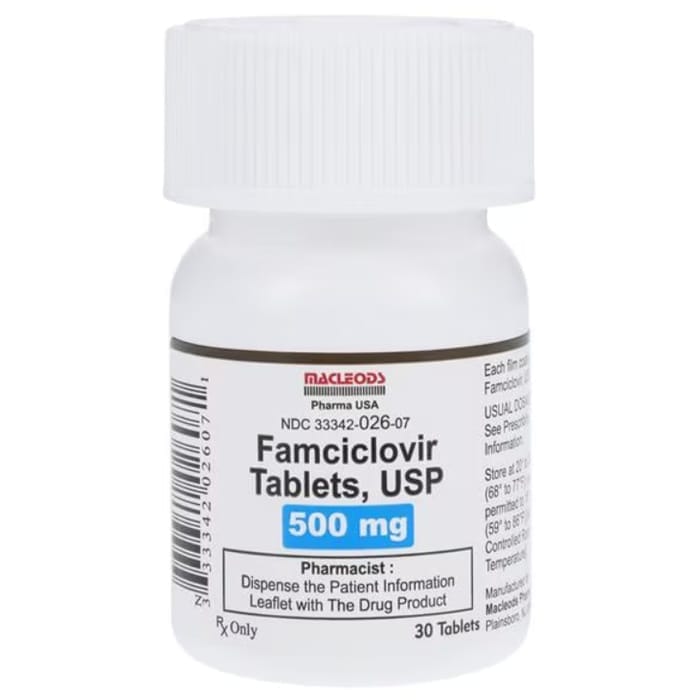
Clinicians often discuss antiviral medications early in the course of shingles, when appropriate. Common examples include valacyclovir and brand equivalents like Valtrex or Valcivir. Some people also ask about topical antivirals, such as acyclovir creams or ointments. Others need information on medicines used for nerve pain that can follow a shingles rash. A licensed clinician reviews symptoms, health history, and interactions before recommending any prescription option.
When is a shingles rash near the eye considered urgent?
Rash or pain near the eye can signal possible ophthalmic involvement. Clinicians often treat this situation as urgent because vision may be at risk. Concerning features can include eye redness, light sensitivity, blurred vision, or swelling around the eyelid. Severe headache, weakness, or confusion with a new rash also deserves prompt evaluation. This page can help organize symptoms and timelines, but medical assessment should guide next steps.
Is shingles contagious, and how does it spread?
Shingles comes from reactivation of the varicella-zoster virus, which also causes chickenpox. The rash blisters can carry virus until they crust over. A person with shingles can pass the virus to someone who has never had chickenpox or the vaccine, which may cause chickenpox in that person. Spread usually requires direct contact with fluid from blisters. Clinicians can explain practical precautions based on the rash location and setting.
What information helps a clinician evaluate possible shingles?
Clear timing details help a clinician assess a possible shingles episode. Useful notes include when pain began, when the rash appeared, and how it changed over days. Rash location also matters, including involvement of the face or scalp. People often describe pain quality, such as burning, tingling, or stabbing sensations. A current medication list and allergy history supports safe prescribing. Photos can help when they are safe and appropriate to share.