


Sedation
Sedation Care Options and Practical Resources
Many procedures use medicine to ease anxiety, pain, or awareness. This Sedation category page gathers practical information for patients and caregivers. It also helps with planning around common settings like dentistry, endoscopy, imaging, and minor procedures. Terms can feel confusing, especially when people hear phrases like twilight sleep or conscious care. Use this page to learn key definitions, compare depth levels, and understand typical monitoring and recovery steps.
Some medicines are given only in a clinic or hospital. Other medications may be prescribed for related concerns, like anxiety before a procedure. This browse page focuses on clear explanations and safe, administrative planning. It does not replace a clinician’s instructions for a specific procedure.
Sedation: What You’ll Find
On this category page, the goal is clarity and comparison. People often see different names for similar concepts, depending on the setting. Dental offices may discuss nitrous oxide sedation or oral options. Hospitals may use IV sedation for procedural sedation during endoscopy or imaging. Teams may also describe levels as minimal sedation, moderate sedation, or deep sedation.
You will also see plain-language explanations of common phrases. For example, conscious sedation usually refers to remaining responsive. Twilight sedation often describes a drowsy, limited-awareness state. These terms can overlap, so it helps to focus on depth and monitoring. This section also highlights sedation vs general anesthesia at a high level.
| Depth level | Common wording | What it can mean in practice |
|---|---|---|
| Minimal | Anxiolysis (anxiety relief) | Relaxed and awake, with normal breathing. |
| Moderate | Conscious care | Sleepy but responsive to voice or touch. |
| Deep | Twilight sleep | Harder to awaken, with closer airway monitoring. |
| General anesthesia | Fully unconscious | No awareness, with full airway support as needed. |
Quick tip: Keep a short list of medicines and allergies in your account notes.
- Definitions for depth levels and common terms
- Examples of where each level is often discussed
- Planning topics, like escorts and post-visit restrictions
- Safety basics, including monitoring and recovery milestones
Medispress offers secure video visits with licensed U.S. clinicians.
How to Choose
Choosing between options usually starts with the setting and the goal. Some visits focus on anxiety control for a short procedure. Others aim for limited awareness during a longer test. The same phrase can mean different things across offices. Asking what level and what monitoring is planned often reduces confusion.
Match the setting and the purpose
- Ask whether the plan is minimal, moderate, or deeper levels.
- Clarify if this is for sedation dentistry, endoscopy, or imaging.
- Confirm whether the medicine is inhaled, oral, or given by IV.
- Check if a pediatric sedation approach is used for children.
- Ask how the team handles motion-sensitive tests like MRI exams.
Plan for recovery and logistics
- Ask what restrictions are typical after the appointment.
- Confirm whether an adult escort is required for discharge.
- Ask how long observation usually lasts in that facility.
- Ask what symptoms should trigger a call to the office.
- Confirm how follow-up instructions are delivered and stored.
It can also help to name the procedure directly when comparing options. People may search for colonoscopy sedation or sedation for endoscopy, but the planned level can differ. For imaging, MRI sedation discussions often center on comfort and stillness. For adults, the key issue is often safe transportation afterward. For children, teams often emphasize weight-based planning and close monitoring.
Safety and Use Notes
Every facility has its own workflow, but the safety themes stay consistent. Sedation safety centers on the airway, breathing, and circulation. Teams also focus on matching depth to the procedure and the patient’s risks. Monitoring may include oxygen level, heart rate, blood pressure, and responsiveness checks. Deeper levels often require more intensive monitoring and trained support.
Side effects can include sleepiness, nausea, dizziness, headache, or short-term memory gaps. Risks can increase with deeper sedation, certain health conditions, and combining sedating medications. Alcohol, sleep aids, and opioids can also raise concerns, depending on the plan. A clinician can explain what applies to the specific procedure and health history.
For a standard depth framework, see the American Society of Anesthesiologists sedation continuum.
- Share a complete medication list, including supplements and sleep aids.
- Report prior problems with anesthesia or sedating medicines.
- Ask how the team manages nausea and pain after the procedure.
- Ask what sedation recovery milestones they expect before discharge.
- Clarify what sedation monitoring is used in that setting.
Why it matters: Small details can change the safest level and monitoring plan.
Dental settings add their own rules and training requirements. If questions relate to office-based dentistry, review the American Dental Association sedation overview for general context.
Clinicians make all medical decisions, including whether any medication is appropriate.
Access and Prescription Requirements
Many medicines used for procedural care are given by the care team on-site. That includes many IV options and medicines used for deep levels. In those cases, people do not pick up the drug ahead of time. The facility supplies and administers it under supervised protocols. Documentation and consent usually happen before the procedure begins.
Other situations involve prescriptions for related needs, such as anxiety around a planned visit. Those prescriptions, when considered, still follow state and federal rules. Some sedatives and anxiolytics (anti-anxiety medicines) are controlled substances. Pharmacies may require identity checks and prescription verification before dispensing. Cash-pay access, often without insurance, may be an option in some cases.
- Keep the procedure name and date available for reference.
- Have allergy history and prior reactions documented in one place.
- List medical conditions that affect breathing or airway management.
- Note pregnancy status when relevant to facility intake forms.
- Store discharge instructions where a caregiver can access them.
When appropriate, providers can coordinate prescriptions through partner pharmacies, following state dispensing rules.
Related Resources
Comfort, sleep, and stress often shape how people feel before procedures. For broader wellness planning, browse Senior Health Tips, especially when coordinating caregiving and appointments. If sleep disruption is part of the picture, see Treat Insomnia Tips for non-urgent, general education. These resources can support better conversations with the care team.
- Review definitions, then write down terms that need clarification.
- Compare depth levels, monitoring, and recovery expectations by setting.
- Save intake and discharge paperwork in one shared location.
- Use this Sedation category page as a reference when browsing.
This content is for informational purposes only and is not a substitute for professional medical advice.

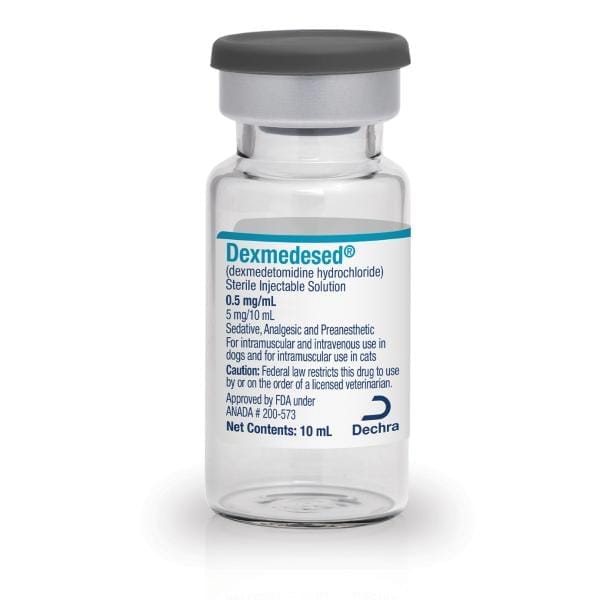
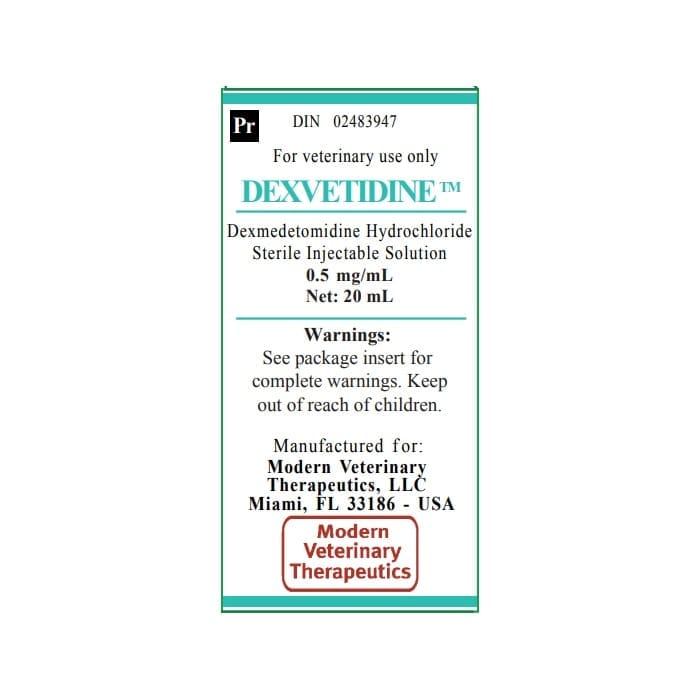
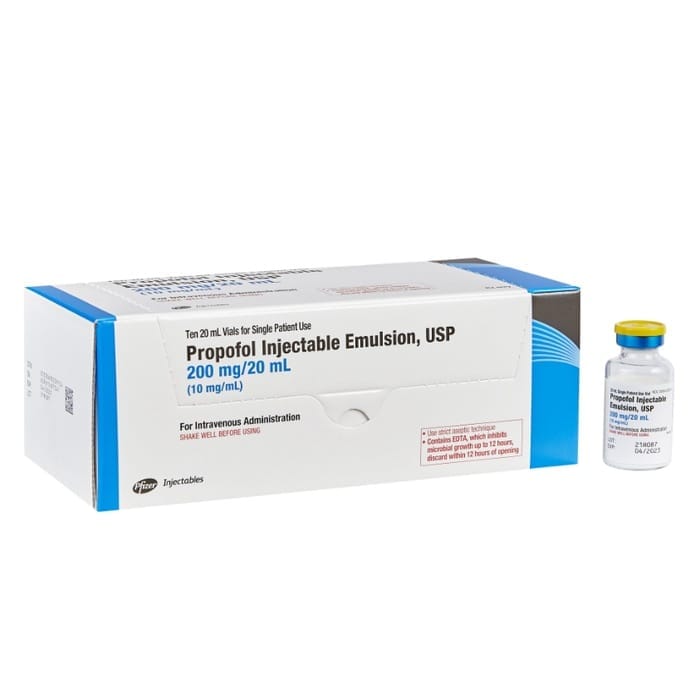
Find suitable medication for Sedation


Book a telehealth visit to discuss Sedation
Find a doctor
Speciality
State

Video Visit
$69

Video Visit
$69

Video Visit
$69

Video Visit
$69

Video Visit
$69

Video Visit
$69

Speciality: Dermatology, Family Medicine, Men's Health, Urgent Care, Women's health
Speaks: English, Spanish, French, Arabic, Portuguese
Video Visit
$69

Video Visit
$69

Video Visit
$69

Video Visit
$69

Video Visit
$69

Video Visit
$69
Frequently Asked Questions
What is the difference between sedation and general anesthesia?
Sedation usually describes a range of reduced anxiety or awareness. People may remain awake, drowsy, or only briefly responsive, depending on depth. General anesthesia typically means full unconsciousness and no awareness during the procedure. The biggest practical differences involve airway support, monitoring intensity, and recovery supervision. Facilities may use different terms, so it helps to ask what level is planned and who will monitor it. A clinician can explain which approach fits the procedure.
What are the main types of sedation used for procedures?
Clinicians often describe types by depth and by route. Depth may be minimal, moderate, or deep. Route may be inhaled (like nitrous oxide), oral sedation, or IV sedation. You may also hear procedural sedation, conscious sedation, or twilight sedation, depending on the setting. These labels can overlap, so ask what responsiveness and monitoring are expected. The care team can also explain how the plan changes for children versus adults.
What details do facilities often ask for before sedation?
Many facilities collect a current medication list, allergy history, and prior anesthesia experiences. They may ask about sleep apnea, lung disease, heart conditions, and recent illnesses. Some also ask about alcohol, cannabis, or other sedating substances. Administrative details matter too, like a responsible escort, contact numbers, and paperwork for consent. Requirements vary by procedure type, including dental work, endoscopy, and imaging. The facility’s pre-visit instructions should guide the final checklist.
How should recovery expectations be interpreted after sedation?
Recovery can mean several stages, not one timeline. Early recovery focuses on stable breathing, normal vital signs, and safe alertness. Later recovery may include lingering sleepiness, slower reaction time, or mild nausea. Some people also notice short-term forgetfulness. Facilities often give written post sedation care instructions about driving, work, and decision-making. Those instructions can vary by depth level and medications used. A clinician can clarify what is typical for the planned procedure.
Can telehealth help with questions related to sedation planning?
Telehealth can help with preparation and medication reconciliation questions. On Medispress, patients can schedule a video visit with a licensed U.S. clinician in a secure app. The clinician can review current medications, allergies, and past reactions, then discuss general risk considerations. If a prescription is clinically appropriate, the provider may coordinate options through partner pharmacies, based on state rules. Telehealth does not replace the facility’s specific pre-procedure instructions.