


Schizophrenia
Care Options for Schizophrenia
Schizophrenia can change how people perceive reality and communicate clearly.
This collection supports practical browsing for patients, families, and caregivers. It gathers medication reference pages and clear explanations of common terms. Examples include psychosis (a break from reality), negative symptoms (reduced motivation), and cognitive symptoms (changes in attention). It also reviews early warning patterns and what clinicians consider during an evaluation.
Many people notice changes in late teens or early adulthood. Some experience a first episode psychosis that needs prompt assessment. Care plans often include monitoring, therapy, and community supports over time.
Use this page to open individual medication entries and review key safety topics. Save items for later discussion during a scheduled visit. Caregivers can also track questions, past responses, and support needs.
Medispress clinicians are licensed in the United States.
Schizophrenia: What You’ll Find
This browse page links to individual medication entries that clinicians may consider for psychotic disorders. Each entry typically summarizes what the medication is, how it is used, and what to ask about. It can also clarify brand and generic naming, so labels feel less confusing.
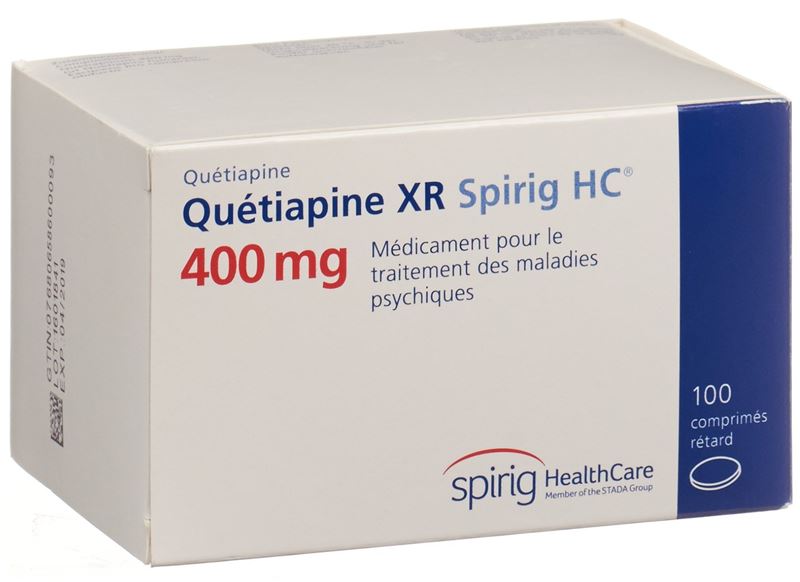
Start by comparing commonly referenced options like Aripiprazole and Abilify. For medications with multiple formulations, it helps to review each version side by side. Examples include Quetiapine Fumarate and Quetiapine XR.
Some entries highlight formulation details that may affect daily routines. That can include food requirements, sedation timing, or how quickly a dose form dissolves. For example, Latuda is often discussed with meal-related instructions on its label.
- Medication reference pages with plain-language summaries
- Common vocabulary used in psychiatric visits and records
- Notes to support caregiver planning and follow-up tracking
- High-level safety topics to discuss with a clinician
- Administrative guidance on prescriptions and pharmacy coordination
How to Choose
Choosing what to read first gets easier with a simple comparison method. Focus on the problem being addressed, the dose form, and the monitoring needs. Consider practical factors that affect adherence, like sleepiness or daily schedules. Note any other health conditions that may shape safety discussions.
This checklist can help organize questions around schizophrenia symptoms, functioning goals, and daily routines. It also helps caregivers record patterns without guessing about causes. Keep notes short, specific, and dated when possible.
- Reason for use, including target symptoms and past response history
- Side effect profile to review, including metabolic and movement-related risks
- Drug interactions, including alcohol, cannabis, and other prescription medicines
- Co-existing conditions, including sleep disorders and substance use concerns
- Formulation fit, such as extended-release versus immediate-release options
- Monitoring needs, including labs, weight, and vital signs when relevant
- Transition planning, including missed doses and refill timing questions
- Support needs, including reminders, transportation, and caregiver involvement
Questions to bring to a visit
- What symptoms suggest psychosis versus another cause?
- What changes should be tracked between visits?
- What warnings matter most for this medication and health history?
- What monitoring is typical, and what results would change the plan?
- How should records be shared between clinicians and pharmacies?
Practical fit factors
- Daytime sedation risk and work or school demands
- Eating patterns, since some labels specify food requirements
- Swallowing difficulty and options like disintegrating tablets
- Past sensitivity to weight changes, glucose, or cholesterol shifts
- Need for caregiver support during medication changes and follow-up
Quick tip: Keep a single running list of meds and dates in one place.
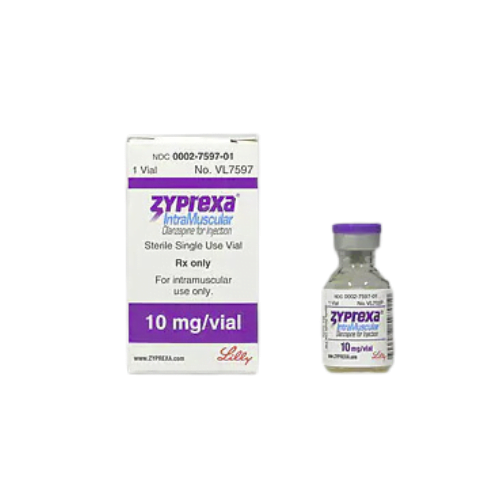
For additional comparisons, review entries like Rexulti and Zyprexa. Reading more than one option can make label language feel clearer. It also helps separate class-wide risks from drug-specific details.
Safety and Use Notes
Many antipsychotic medications for schizophrenia have shared warnings and monitoring needs. Common issues can include sleepiness, weight changes, and movement-related side effects. Some medicines may also affect blood sugar, lipids, or blood pressure. A clinician can weigh these risks against symptom severity and health history.
Labeling details matter, especially for older adults and complex medical histories. Many antipsychotics carry an FDA boxed warning for older adults with dementia-related psychosis. For the wording and context, read this FDA reference on antipsychotic drug safety information.
Some options require closer oversight than others. For example, clozapine has specific blood monitoring requirements and safety protocols. Review the FDA clozapine monitoring communication and compare it with the Clozaril entry.
- Do not rely on symptom changes alone to judge safety
- Ask how to monitor metabolic and movement-related effects
- Confirm whether food, alcohol, or other drugs affect the medicine
- Clarify what to do after a missed dose, before making changes
- Review pregnancy and breastfeeding considerations when relevant
Why it matters: Small safety details can change what follow-up looks like.
Visits take place by video in a HIPAA-aligned app.
Access and Prescription Requirements
Prescription medicines require a clinician evaluation and a valid prescription. The platform supports access for cash-pay options, often without insurance, when that fits the situation. Pharmacies that dispense prescription drugs must follow licensing rules. They also verify prescriptions before dispensing.
For living with schizophrenia, predictable follow-up reduces administrative stress for families. That can include keeping appointment notes, tracking refills, and maintaining an updated medication list. It also helps to record side effects in plain language, without assigning blame or intent.
When appropriate, clinicians can route prescriptions to partner pharmacies, per state rules.
- Account setup and identity checks may be required for safety
- Clinicians decide what evaluations or records are needed
- Some medications may require labs or added monitoring steps
- Pharmacies confirm prescription details before dispensing
- State rules can affect which prescription options are available
Related Resources
Use this section when sorting out schizoaffective disorder vs schizophrenia and similar look-alikes. It can also help when family members disagree about what symptoms mean. A clear timeline of changes often supports better conversations with clinicians.
Some people prefer a dose form that dissolves quickly in the mouth. If that topic matters for routines or swallowing difficulty, review Zyprexa Zydis for formulation context. For a plain-language background on psychotic disorders, see this NIMH topic overview.
This content is for informational purposes only and is not a substitute for professional medical advice.

Find suitable medication for Schizophrenia

















Book a telehealth visit to discuss Schizophrenia
Find a doctor
Speciality
State

Video Visit
$69

Video Visit
$69

Video Visit
$69

Video Visit
$69

Video Visit
$69

Video Visit
$69

Speciality: Dermatology, Family Medicine, Men's Health, Urgent Care, Women's health
Speaks: English, Spanish, French, Arabic, Portuguese
Video Visit
$69

Video Visit
$69

Video Visit
$69

Video Visit
$69

Video Visit
$69

Video Visit
$69
Frequently Asked Questions
What is included on this category page?
This category page groups medication reference entries and practical education in one place. It helps patients and caregivers compare common drug names, formulations, and label highlights. It also explains terms that often appear in records, like psychosis and negative symptoms. Some sections focus on planning and follow-up details, such as refill timing and monitoring questions. The goal is clearer browsing and better preparation for clinician conversations.
Can telehealth be used for evaluation and follow-up?
Telehealth can support evaluation, follow-up, and medication discussions for many people. A licensed clinician reviews symptoms, history, and safety risks during a video visit. If clinically appropriate, the clinician may coordinate prescription options through partner pharmacies. State regulations and medication type can affect what is allowed. Telehealth is not appropriate for emergencies, severe agitation, or immediate safety concerns.
How should medication pages be compared when browsing?
A helpful approach is to compare indication, formulation, and key safety information side by side. Look for label sections on warnings, common side effects, interactions, and monitoring needs. Note whether the medicine is immediate-release or extended-release, and whether food matters. Also consider practical fit, like daytime sedation and daily schedules. Bring questions to a clinician instead of changing medications based on reading alone.
What should be done if symptoms feel urgent or unsafe?
Urgent or unsafe symptoms need immediate help, not online browsing. If there is risk of harm, severe confusion, or inability to stay safe, call 911 or go to an emergency department. In the U.S., the Suicide and Crisis Lifeline is available by calling or texting 988. If someone has new hallucinations, intense paranoia, or severe agitation, emergency clinicians can assess safety and provide next steps.
Do prescriptions always require an in-person visit?
Prescription requirements vary by medication, clinical situation, and state regulations. Some situations can be handled through telehealth, while others may require in-person assessment, labs, or additional documentation. Controlled substances follow stricter rules, and some may not be appropriate through telehealth. Clinicians decide what is needed to prescribe safely. Dispensing pharmacies also verify prescription details and licensing requirements before filling.