


Schizoaffective Disorder
Care Options and Medication Info for Schizoaffective Disorder
This category page gathers practical information about Schizoaffective Disorder for patients and caregivers. It focuses on common terms, care options, and medication education. It also highlights what clinicians may review during an evaluation.
Schizoaffective disorder blends mood symptoms with psychosis symptoms. Mood symptoms can look like depression or mania. Psychosis can include hallucinations or delusions. Clinicians may describe bipolar type and depressive type. Medispress visits use video appointments in a HIPAA-compliant app.
Schizoaffective Disorder: What You’ll Find
This browse page brings together condition-focused resources and medication pages. It helps readers compare definitions, not judge severity. It also helps caregivers track the language used in care plans.
Expect plain-language explanations alongside clinical terms. Examples include DSM-5 criteria (diagnostic standards) and ICD-10-CM codes (billing and documentation codes). The page may also cover comorbidity (co-occurring conditions), like anxiety or substance use. Some sections may note differences seen in adolescents versus adults.
Many people look for clear comparisons between related diagnoses. You may see summaries that explain “vs.” topics in careful, non-judgmental terms. These comparisons can include schizoaffective disorder vs schizophrenia and schizoaffective disorder vs bipolar disorder.
- Common symptom patterns and how clinicians describe them
- How diagnosis and assessment are usually documented
- Medication classes that may be discussed in care
- Psychotherapy approaches and support options
- Relapse prevention planning topics and practical resources
How to Choose
Use this collection to compare information across topics. Start with the sections that match current questions. Then branch into medications, therapy, and practical supports.
For Schizoaffective Disorder, focus on clarity and consistency across sources. Look for definitions that separate symptoms from labels. Also note where resources mention uncertainty and follow-up monitoring.
What to prioritize while browsing
- Clear descriptions of symptoms, without dramatic language
- Notes on schizoaffective disorder types and how they are described
- Discussion of schizoaffective disorder causes as risk factors, not blame
- Mentions of schizoaffective disorder diagnosis standards, like DSM-5 criteria
- References to ICD-10-CM coding when documenting care
- Balanced explanations of prognosis, including what can affect recovery
Questions to bring to a clinician visit
- Which symptoms matter most for tracking mood and psychosis changes
- How to document sleep, energy, and functioning between visits
- How clinicians think about relapse prevention and early warning signs
- What to expect from psychotherapy for schizoaffective disorder over time
- How caregivers can share observations without speaking over the patient
Quick tip: Save a running symptom timeline in the account notes.
Safety and Use Notes
Safety information matters with Schizoaffective Disorder, especially when medications change. Many treatments can affect sleep, appetite, and alertness. Some can also interact with other prescriptions, supplements, or alcohol.
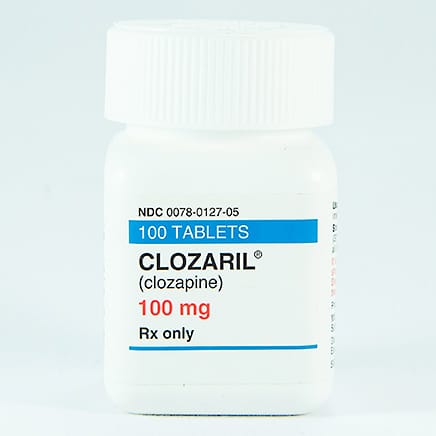
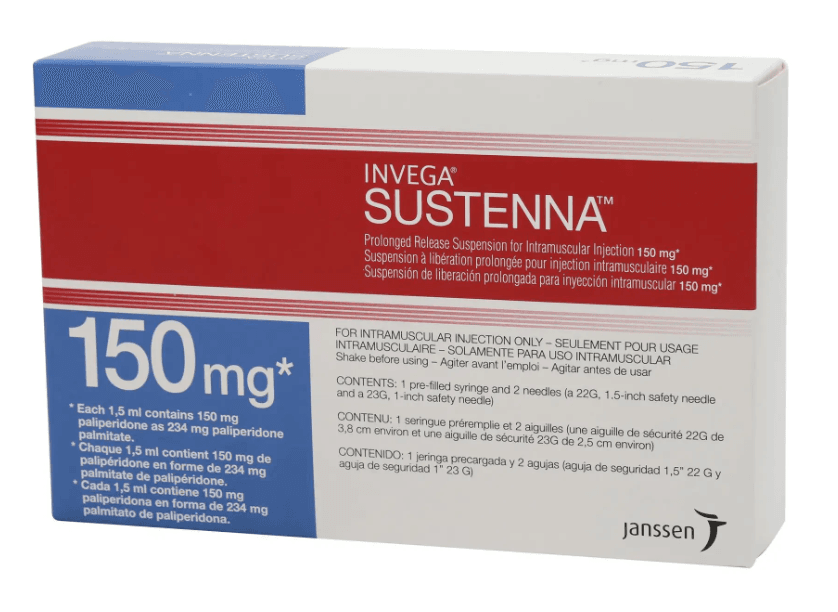
Resources may describe schizoaffective disorder medications by class and purpose. Examples include antipsychotics for schizoaffective disorder and mood stabilizers for schizoaffective disorder. Some plans also include antidepressants, depending on symptoms and history. Clinicians may pair medicines with psychotherapy for schizoaffective disorder. CBT for schizoaffective disorder may appear as one structured talk therapy option.
- Share a full medication list, including OTC items and supplements
- Ask how side effects should be reported and documented
- Review driving and work safety if sedation is a concern
- Discuss pregnancy and breastfeeding considerations when relevant
- Confirm how missed doses are handled, without self-adjusting
Licensed U.S. clinicians make the final clinical decisions.
Why it matters: A complete med list helps reduce avoidable interaction risks.
Access and Prescription Requirements
Access can vary based on evaluation needs and state rules for prescriptions. Schizoaffective Disorder care often involves ongoing follow-ups and careful documentation. This page supports planning for those administrative steps.
Prescription medications require a clinician’s authorization and pharmacy dispensing. Platforms like Medispress can support cash-pay access, often without insurance. Partner pharmacies may also need prescription verification and identity checks. These steps help meet licensed dispensing requirements.
- Current medication list and recent changes, if any
- Allergies and past adverse reactions, including severe side effects
- Prior diagnoses and hospitalizations, if they apply
- Pharmacy information for record matching and prescription routing
- Preferred follow-up cadence for symptom check-ins and refills
When appropriate, providers may coordinate prescriptions with partner pharmacies under state regulations.
Related Resources
If more detail is helpful, browse Schizoaffective Disorder resources by topic. Medication pages can clarify what a drug is and why it may be used. For example, see Lamictal for general medication information.
Some readers also want a neutral, third-party overview for context. For a plain-language encyclopedia summary, see MedlinePlus on schizoaffective disorder. For symptom and treatment basics, see Mayo Clinic’s overview. Support groups and caregiver resources can also help with day-to-day planning.
This content is for informational purposes only and is not a substitute for professional medical advice.

Find suitable medication for Schizoaffective Disorder
Book a telehealth visit to discuss Schizoaffective Disorder
Find a doctor
Speciality
State

Video Visit
$69

Video Visit
$69

Video Visit
$69

Video Visit
$69

Video Visit
$69

Video Visit
$69

Speciality: Dermatology, Family Medicine, Men's Health, Urgent Care, Women's health
Speaks: English, Spanish, French, Arabic, Portuguese
Video Visit
$69

Video Visit
$69

Video Visit
$69

Video Visit
$69

Video Visit
$69

Video Visit
$69
Frequently Asked Questions
What does schizoaffective disorder mean?
Schizoaffective disorder is a mental health diagnosis that includes mood symptoms and psychosis symptoms. Mood symptoms can involve depression or mania. Psychosis symptoms can include hallucinations or delusions. Clinicians may describe depressive type or bipolar type. The diagnosis depends on symptom patterns over time. A clinician also rules out other conditions and substance effects. A clear timeline often helps the clinical assessment.
How is schizoaffective disorder diagnosed?
Clinicians diagnose schizoaffective disorder through a structured clinical assessment. They review symptoms, duration, and how symptoms affect daily functioning. They also look for periods of psychosis without mood episodes. They consider medical causes and substance-related effects. Many clinicians use DSM-5-TR criteria and document ICD-10-CM codes for records. Diagnosis usually requires ongoing follow-up, not a single conversation.
What treatments are commonly discussed for schizoaffective disorder?
Care plans often combine medications and psychotherapy. Medication discussions may include antipsychotics, mood stabilizers, and sometimes antidepressants. Therapy options can include CBT, supportive therapy, and skills-focused approaches. Clinicians also talk about sleep routines, stress management, and relapse prevention planning. Treatment choices depend on symptom history, side effects, and safety considerations. Only a licensed clinician can decide what is clinically appropriate.
How can caregivers support someone living with this condition?
Caregivers can help by tracking changes in sleep, mood, and functioning. They can also support appointment logistics and medication list updates. Calm, specific observations often help clinicians more than general concerns. It also helps to agree on crisis preferences ahead of time. Support groups may reduce isolation for both patients and families. Caregivers should also protect their own rest and mental health supports.
Can telehealth be used for follow-up care and medication discussions?
Telehealth can support many follow-up needs, such as symptom check-ins and medication discussions. A clinician still decides what can be handled virtually. Some situations may require in-person evaluation or urgent services. For prescription needs, clinicians may coordinate options with pharmacies when appropriate. Patients and caregivers can use telehealth visits to review medication lists and document side effects. Availability can vary by state regulations and clinical factors.
When should someone seek urgent help?
Urgent help is appropriate when safety becomes a concern. Examples include thoughts of self-harm, threats toward others, severe confusion, or inability to care for basic needs. Sudden worsening hallucinations or dangerous impulsivity can also require immediate support. In the U.S., people can call or text 988 for the Suicide and Crisis Lifeline. For imminent danger, call emergency services or go to an emergency department.