


Roundworm Infection
Care Options for Roundworm Infection
Roundworm Infection is a common intestinal parasite problem in humans. It can affect children and adults, including travelers and rural households. This category page helps patients and caregivers review care basics. It also supports browsing related medications and resources in one place.
Many cases relate to soil exposure and hygiene gaps. Clinicians may call it ascariasis (an intestinal roundworm illness). The most common species is Ascaris lumbricoides (human roundworm). Symptoms can range from none to stomach discomfort and cough.
Medispress telehealth visits use secure video with licensed U.S. clinicians.
Quick tip: Use the page to compare topics before scheduling a visit.
Roundworm Infection: What You’ll Find
This collection focuses on practical, browse-friendly information and access basics. It covers how intestinal roundworms spread and what symptoms may look like. It also outlines common terms seen in care notes and prescriptions.
Some people notice belly pain, nausea, or appetite changes. Others report coughing during lung migration, which can happen early. Resources may also cover roundworm complications, like blockage risk in heavy infections.
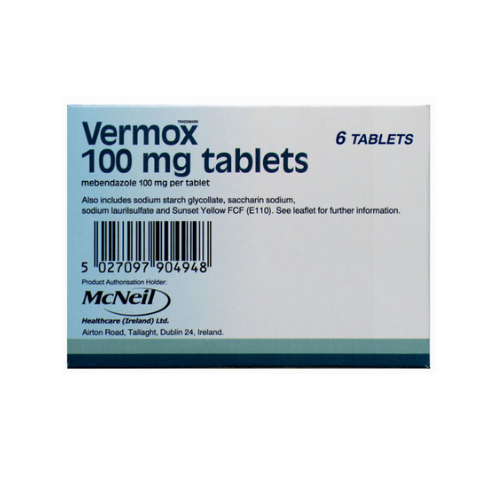
When treatment is needed, clinicians often use anthelmintic (anti-worm) medicines. Examples include albendazole for roundworms and mebendazole for roundworms. This page helps explain how those options differ in general, without giving dosing instructions.
- Plain-language overviews of causes, symptoms, and transmission
- Prevention basics, including hygiene and food handling
- Medication class summaries and typical care workflows
- Notes on special situations, like pregnancy or childhood infections
- Related parasite terms, including soil-transmitted helminths (worms spread through contaminated soil)
How to Choose
Browsing parasite care can feel confusing because symptoms overlap. Many terms sound similar, but mean different things. This checklist can help compare resources and prepare for a clinician conversation.
Match the topic to the situation
- Likely exposure type, such as soil, travel, or childcare settings
- Symptom pattern, including belly symptoms versus cough or wheeze
- Timing, including sudden onset versus gradual changes
- Household context, including shared bathrooms and handwashing routines
- Age considerations, since roundworm infection in children can present differently
Know common look-alikes and related terms
- Roundworm vs pinworm: pinworms often cause nighttime anal itching
- Toxocariasis in humans: a pet roundworm illness, not intestinal ascariasis
- Intestinal roundworms: a broad term that can include several species
- Roundworm lifecycle: explains how eggs and larvae move through the body
Why it matters: A similar symptom can point to different infections and treatments.
It may help to collect non-medical details before a visit. Examples include recent travel, farm or garden work, and food handling. A clinician can then weigh risks and decide next steps. This approach also supports safer prescribing and fewer surprises.
Safety and Use Notes
Deworming for humans often uses prescription medicines, not home remedies. Side effects and interactions can vary across medications and health histories. That is why a clinician review matters, especially for children and pregnancy.
Roundworm Infection treatment discussions may include pregnancy status and other medicines. They may also cover prior liver problems and allergy history. Some people need extra caution due to other conditions or complex symptom patterns.
- Share a complete medication list, including supplements and herbals
- Note any prior reactions to antiparasitic medications
- Discuss pregnancy, breastfeeding, and pediatric age or weight ranges
- Describe any severe belly pain or persistent vomiting concerns
- Mention cough or wheezing that started after possible exposure
Visits happen through a HIPAA-compliant app designed for private care.
Roundworms can sometimes cause complications when worm burden is high. Complications can include bowel blockage or bile duct issues. Lung migration can also trigger cough and breathing irritation in some cases. A licensed clinician can help interpret symptom severity and urgency.
Access and Prescription Requirements
Many antiparasitic options are prescription-only in the United States. If Roundworm Infection is being evaluated, a clinician may review safety factors first. That review supports appropriate medication selection and avoids preventable interactions.
Prescription access can also depend on state pharmacy regulations. When clinically appropriate, providers can coordinate prescriptions through partner pharmacies. Partner pharmacies also handle standard prescription verification before dispensing.
Cash-pay options are often available without insurance, depending on the medication. Documentation and identity checks can still apply for regulated prescriptions. Shipping and pickup options vary by pharmacy and product type.
- Basic identity and contact details for pharmacy records
- Allergy history and a current medication list
- Relevant exposure context, such as soil contact or travel
- Any prior antiparasitic treatment history, if known
- Preferred pharmacy details, when a choice is available
Clinicians make the medical decisions during a telehealth evaluation. They may recommend in-person care when symptoms suggest complications. They may also advise follow-up if symptoms do not fit a parasite pattern.
Related Resources
People researching Roundworm Infection often review nearby parasite topics. Some symptoms overlap across worm types, and prevention steps can be similar. Browsing related categories can help compare terminology and expected care pathways.
For a broader browse page, see Roundworms and Hookworms. For public health background, see CDC ascariasis overview. For prevention context worldwide, see WHO soil-transmitted helminths fact sheet.
- Transmission and prevention basics for households and caregivers
- Common symptom clusters and complication warning concepts
- How clinical terms like ascariasis relate to plain language
- What to track for a visit, without self-diagnosing
This content is for informational purposes only and is not a substitute for professional medical advice.

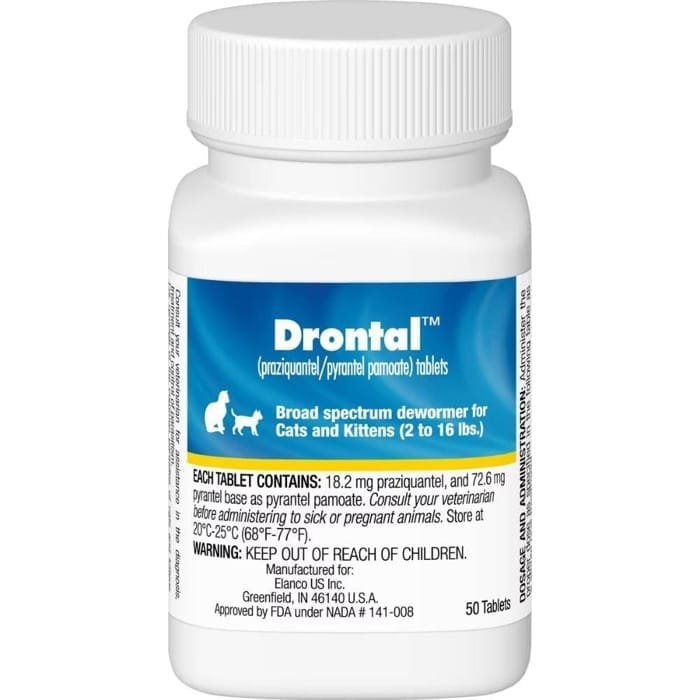
Find suitable medication for Roundworm Infection





Book a telehealth visit to discuss Roundworm Infection
Find a doctor
Speciality
State

Video Visit
$69

Video Visit
$69

Video Visit
$69

Video Visit
$69

Video Visit
$69

Video Visit
$69

Speciality: Dermatology, Family Medicine, Men's Health, Urgent Care, Women's health
Speaks: English, Spanish, French, Arabic, Portuguese
Video Visit
$69

Video Visit
$69

Video Visit
$69

Video Visit
$69

Video Visit
$69

Video Visit
$69
Frequently Asked Questions
What kinds of resources are included on this category page?
This category page groups education and access basics related to roundworm care. It may include plain-language explanations, medication class summaries, and safety notes. It also covers key terms like ascariasis and soil-transmitted helminths. When prescription options are referenced, information stays administrative and non-prescriptive. Browsing can help caregivers compare topics before a clinical visit. Clinical decisions remain with a licensed clinician during evaluation.
How is roundworm different from pinworm?
Pinworm and roundworm are different parasites, and they spread differently. Pinworm often causes intense anal itching, especially at night. Roundworm may cause belly symptoms and sometimes cough during early migration. The worms also differ in size and lifecycle stages. Because symptoms overlap with other conditions, it can be hard to tell them apart based on symptoms alone. A clinician can help sort the likely cause and appropriate care.
When can symptoms suggest urgent evaluation is needed?
Some symptoms can signal complications or another serious problem. Examples include severe or worsening belly pain, repeated vomiting, or signs of dehydration. Breathing trouble, chest pain, or blue lips also deserve prompt attention. High fever, confusion, or fainting are additional warning signs. In children, lethargy and poor fluid intake can become serious quickly. If these occur, urgent evaluation may be appropriate, even when parasites are a concern.
Do deworming medicines usually require a prescription?
Many deworming medicines used for human intestinal parasites are prescription-only in the U.S. A clinician considers age, pregnancy, allergies, and other medicines first. Pharmacies also follow verification and dispensing rules for regulated medications. If a prescription is clinically appropriate, providers may coordinate it with a partner pharmacy. Exact availability can vary based on medication type and state requirements. Non-prescription products are not always suitable for intestinal roundworms.
Can care be accessed without insurance?
Some services and medications can be accessed using cash-pay options, often without insurance. The exact cost can vary by visit type, pharmacy, and medication selection. Prescription requirements still apply when medications are regulated. Pharmacies may request standard details for verification and dispensing. If insurance is used, pharmacy processing rules can differ by plan. This page focuses on navigation and education rather than cost estimates.
What information is helpful to share during a telehealth visit?
Clinicians often ask about symptom timing, exposure risks, and medical history. Examples include recent travel, soil or gardening contact, and childcare exposure. They may ask about household contacts, pets, and sanitation conditions. Medication lists, allergies, and pregnancy status are also important safety details. For children, age and recent weight range can matter for medication decisions. Sharing clear, factual context helps the clinician assess risk and next steps.