


Rosacea
Care Options for Rosacea
Rosacea can cause facial redness, flushing, and sometimes acne-like bumps. This category page helps patients and caregivers compare common care options. Browse prescription treatments, supportive skincare, and practical reading in one place. Patterns can vary, including visible vessels and eye irritation. A clinician confirms the diagnosis, since redness can have several causes.
For a plain-language overview, see American Academy of Dermatology information. Many people notice changes after heat, sun, alcohol, spicy foods, or stress. Those factors can help frame a conversation, not replace care. This page supports browsing and planning, not self-diagnosis.
Medispress visits are with licensed U.S. clinicians by video.
Rosacea What You’ll Find
This browse page brings together options that clinicians commonly discuss for persistent redness and breakouts. Listings may note whether an item is prescription-only or over the counter. When available, details can include dosage form, typical use context, and key label warnings. Some entries focus on skin inflammation, while others support comfort and barrier care.
This Rosacea collection also covers symptom language used in visits and referrals. That includes flushing and blushing, telangiectasia (tiny visible blood vessels), and stinging. It also explains subtypes like erythematotelangiectatic rosacea and papulopustular rosacea. Helpful comparisons may include gels versus creams, and what “non-comedogenic” usually means for sensitive skin.
- Common prescription topicals discussed in dermatology visits
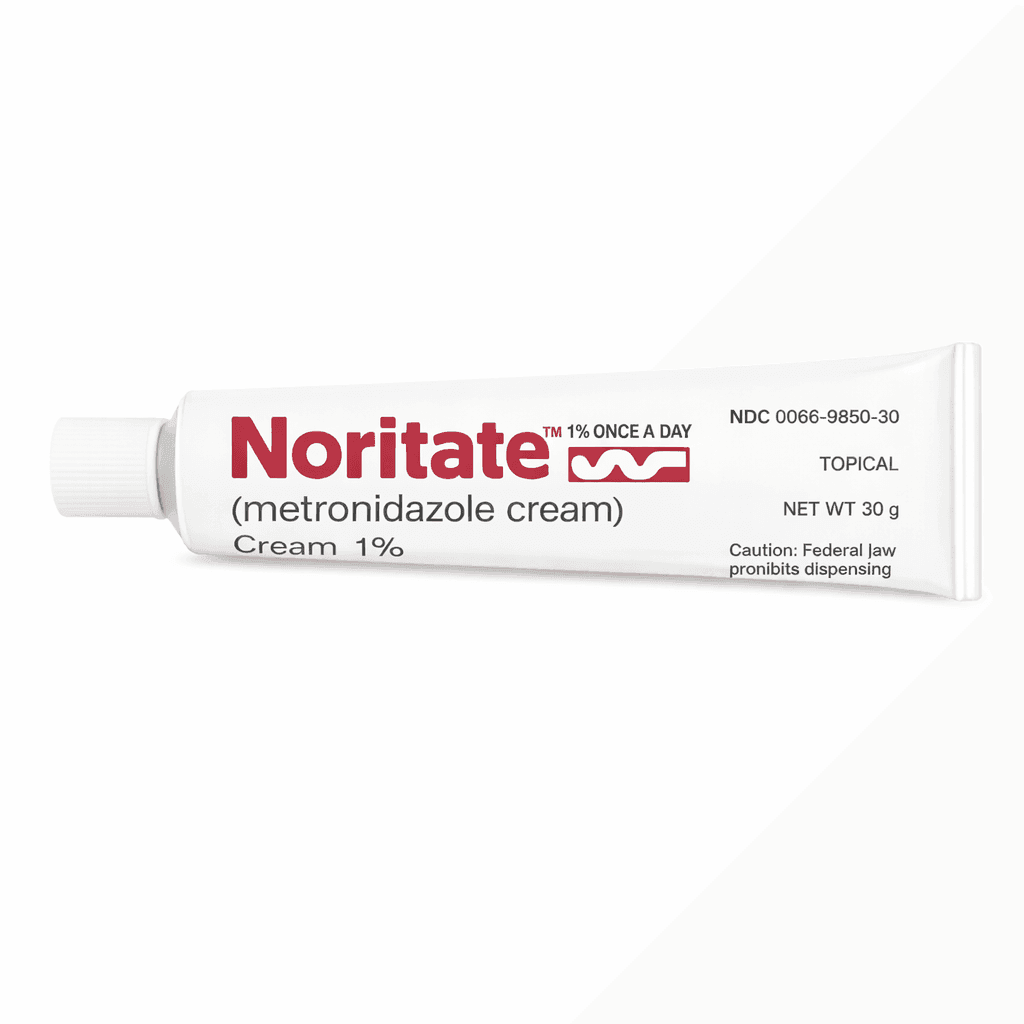
- Examples of ingredients often mentioned, like azelaic acid, metronidazole gel, and ivermectin cream
- Basics for a rosacea skincare routine, including gentle cleanser and sunscreen for rosacea
- Plain-language notes on rosacea triggers and avoiding rosacea triggers
- Context for rosacea vs acne and when evaluation helps
How to Choose
Different Rosacea patterns lead to different questions for a clinician. Some people mainly notice persistent redness and easy flushing. Others notice bumps that resemble acne, plus tenderness or swelling. Eye symptoms may point toward ocular rosacea, which needs separate attention. Thickened nose skin can suggest rhinophyma (skin thickening), and it may change care priorities.
Match symptoms to common subtypes
Resources often group symptoms into subtypes to make plans clearer. Erythematotelangiectatic rosacea usually centers on redness, flushing, and visible vessels. Papulopustular rosacea often includes inflamed bumps and pustules, alongside redness. Ocular rosacea can include gritty eyes, burning, and eyelid irritation. Subtypes can overlap, so labeling is not always clean.
Compare products and topics on practical details
- Primary concern: facial redness, bumps, burning, or visible vessels
- Common triggers: heat, sun, stress, alcohol and rosacea, or spicy foods rosacea
- Skin feel: dryness, tightness, or easy stinging with new products
- Eye symptoms: dryness, redness, or light sensitivity
- Preference for texture: gel, cream, lotion, or foam formats
- Current routine: cleanser, moisturizer, sunscreen, makeup, and shaving products
- Past treatments: what helped, what irritated, and what was hard to use
- Other conditions: eczema, acne, allergies, or frequent cold sores
- Timing needs: ongoing control versus flares and symptom changes
Why it matters: Harsh acne products can worsen stinging and surface irritation.
Safety and Use Notes
Safety matters with Rosacea, especially when eye symptoms are present. Redness and flushing can also relate to dermatitis, medication reactions, or other conditions. A rosacea diagnosis typically relies on history and appearance, not one single test. Prescription options can cause irritation, dryness, or burning in some people. Laser therapy for rosacea may be discussed for visible vessels, but it is not the same as medication care.
For general background from the NIH, review MedlinePlus overview. Some research explores demodex mites and rosacea, but causes are often multifactorial. Eye symptoms deserve careful review, since ocular surface issues can overlap with dry eye. For related reading, see Dry Eye Syndrome Treatment.
The Medispress app is HIPAA-compliant to protect health information.
- Use only medications prescribed for the specific person and condition
- Read the official label for warnings, storage, and application areas
- Note new burning, swelling, rash, or worsening redness after starting a product
- Avoid getting non-eye products into the eyes unless labeled for that use
- Seek urgent care for severe eye pain, vision changes, or sudden swelling
- Share a full medication list to help check for interactions and duplications
Access and Prescription Requirements
Prescription requirements vary, even within Rosacea treatment options. Many topical treatments for rosacea require an Rx, while some skincare supports do not. Pharmacies typically verify prescriptions before dispensing, and they may request additional details. Some people prefer cash-pay options, often without insurance, when that fits the situation. Availability can depend on state rules for prescribing and dispensing.
Teledermatology can help organize symptoms, photos, and treatment history for review. For what remote dermatology care can cover, see Teledermatology Services. Useful visit notes often include flare patterns, trigger notes, and prior product tolerance. Clear documentation can also support referrals to see a dermatologist for rosacea when needed.
- A current medication list, including creams, eye drops, and supplements
- Any prior diagnoses, allergies, and known sensitive skin care issues
- Recent photos showing baseline redness and flare changes, if available
- Notes on flushing patterns and suspected triggers, like heat or alcohol
- Eye symptoms, including dryness, gritty feeling, or eyelid irritation
- Questions about options such as azelaic acid for rosacea or other Rx topicals
Quick tip: Clear, well-lit photos help clinicians review skin changes.
When clinically appropriate, prescriptions may be coordinated through partner pharmacies, following state regulations.
Related Resources
Supportive habits can matter alongside medical care, especially for sensitive skin. Hydration, sleep, and stress load can affect how skin feels day to day. For a broader wellness read, see Benefits Of Hydration. Many people also track patterns around diet and rosacea, sun exposure, and skincare swaps. These notes can make visits more efficient and specific.
If symptoms change quickly or feel severe, in-person assessment may be needed. That includes intense facial swelling, rapidly worsening eye symptoms, or nose skin changes. This collection is meant to support browsing and informed discussions. It does not replace a full exam or individualized treatment planning.
This content is for informational purposes only and is not a substitute for professional medical advice.

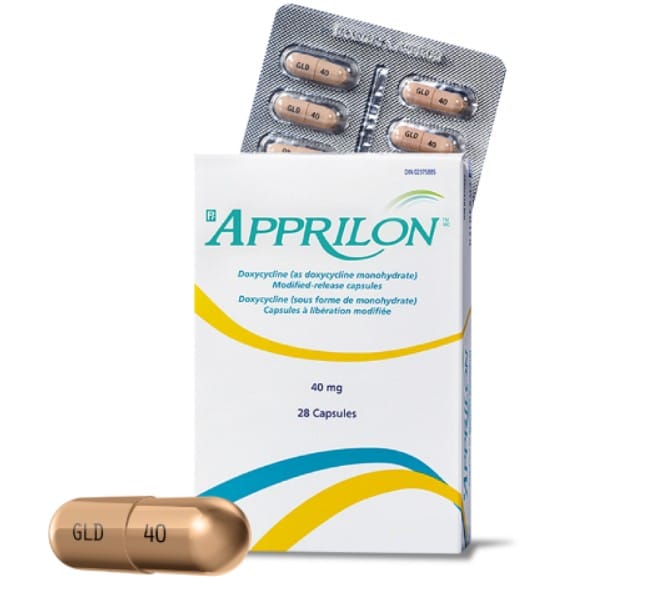
Find suitable medication for Rosacea


Book a telehealth visit to discuss Rosacea
Find a doctor
Speciality
State

Video Visit
$69

Video Visit
$69

Video Visit
$69

Video Visit
$69

Video Visit
$69

Video Visit
$69

Speciality: Dermatology, Family Medicine, Men's Health, Urgent Care, Women's health
Speaks: English, Spanish, French, Arabic, Portuguese
Video Visit
$69

Video Visit
$69

Video Visit
$69

Video Visit
$69

Video Visit
$69

Video Visit
$69
Frequently Asked Questions
What can I find on this Rosacea category page?
This category page groups common resources tied to rosacea care and navigation. It may include prescription topical options, non-prescription skincare basics, and educational reading. Listings often highlight key differences like gel versus cream formats, prescription requirements, and common label precautions. It can also help patients and caregivers compare symptom terms, triggers, and subtype descriptions. Use it to organize questions for a clinician or to understand what a listing means.
How is rosacea different from acne?
Rosacea often centers on persistent facial redness, flushing, and visible small vessels. Acne more often includes blackheads and whiteheads (comedones), plus deeper nodules. Rosacea can still cause bumps and pustules, which makes confusion common. Triggers like heat, sun, alcohol, or stress can worsen flushing in rosacea. Only a clinician can confirm which condition is present, since overlap and mixed presentations happen.
What symptoms can suggest ocular involvement?
Ocular involvement can include dry, gritty, burning eyes and irritated eyelids. Some people notice redness at the eye margins or increased light sensitivity. These symptoms can overlap with dry eye syndrome and other eye conditions. Sudden vision changes, severe eye pain, or marked swelling need urgent evaluation. A clinician can help decide whether symptoms fit ocular rosacea or another cause and what follow-up is appropriate.
Do prescriptions require verification before dispensing?
Yes, pharmacies commonly verify prescriptions before they dispense medications. Verification may include checking prescriber credentials, confirming patient details, and reviewing safety screens. Requirements can vary by medication type and by state regulations. If a prescription is unclear, the pharmacy may contact the prescriber for clarification. This process supports safe dispensing and helps reduce errors, especially when multiple treatments or similar products exist.
Are cash-pay options available without insurance?
Some people use cash-pay options, often without insurance, for certain medications or services. Availability depends on the medication, the pharmacy, and local regulations. A prescription is still required for Rx-only treatments, even when paying cash. Coverage and pricing can also differ across pharmacies and plans. It can help to review the listing details carefully and confirm the final checkout information before completing a purchase.