


Rheumatoid Arthritis
Care Options for Rheumatoid Arthritis
This category page supports browsing for Rheumatoid Arthritis (RA) care and medication topics. It is built for patients and caregivers who want clear, practical context. Use it to review common symptom patterns, testing terms, and care pathways. It also helps set expectations for prescriptions and follow-up monitoring. Medispress telehealth visits connect patients with licensed U.S. clinicians by video.
Why it matters: Earlier evaluation may help limit long-term joint damage.
RA is an inflammatory arthritis autoimmune disease. It can cause morning stiffness and joint swelling. Many people notice hand and wrist pain first. Others notice fatigue, warmth, or reduced grip strength. Clinicians may compare RA vs osteoarthritis when symptoms overlap.
Rheumatoid Arthritis What You’ll Find
This browse page brings together condition-aligned information and navigation for RA. It focuses on the administrative and educational details that shape next steps. That includes how clinicians describe disease activity and how medications get handled safely.
Expect plain-language explanations of common terms. Examples include DMARDs (disease-modifying antirheumatic drugs), biologics (targeted immune medicines), and JAK inhibitors (signal-blocking medicines). It also covers how labs like ESR and CRP support monitoring over time.
- Key symptom patterns, including stiffness timing and swelling locations
- Diagnosis terms, including rheumatoid factor and anti-CCP (autoantibody tests)
- Medication class overviews and typical monitoring needs
- Flare management concepts and day-to-day planning considerations
- Links to related Medispress reading for deeper background
For lifestyle planning ideas that often pair with clinical care, see Daily Habits For Arthritis Pain. For practical household safety framing, review Safe At-Home RA Care.
How to Choose
People often compare options based on goals, risks, and logistics. This page helps organize those questions before a visit. When reviewing Rheumatoid Arthritis treatment options, it helps to separate symptom relief from disease control.
Quick tip: Save a short symptom log for future visits and refills.
Match the information to the decision
- Symptoms pattern: morning stiffness length, swelling, and affected joints
- Function impact: grip strength, walking comfort, and sleep disruption
- Prior history: infections, ulcers, liver disease, or kidney concerns
- Lab context: trends in ESR and CRP, not single numbers
- Test labels: seropositive vs seronegative based on antibody results
- Medication history: past side effects, adherence barriers, and preferences
- Life stage: work demands, travel, and pregnancy planning considerations
Know which sources are most dependable
Some terms have formal definitions that affect documentation. Clinicians may reference ACR criteria (American College of Rheumatology classification approach) alongside exam and labs. For a neutral medical-organization overview, see ACR RA Overview.
If symptoms resemble other inflammatory conditions, comparisons can help. For example, skin and nail clues may shift the discussion toward psoriatic disease. The guide Psoriatic Arthritis Care can clarify shared and distinct features. Caregivers may also find context in Juvenile RA Approaches.
Safety and Use Notes
RA medicines can affect the immune system, the stomach, or other organs. A clinician weighs benefit, side effects, and monitoring needs. This section stays general, since dosing and choices depend on medical history.
Appointments run in a secure app designed for HIPAA privacy standards.
- DMARDs may require periodic lab monitoring for safety signals.
- Biologics and JAK inhibitors can raise infection risk in some patients.
- Steroids can help symptoms short term, but carry broader risks.
- NSAIDs can irritate the stomach and affect kidneys in some people.
- Vaccines and travel plans can matter when immunity changes.
Testing and imaging can also guide context. Clinicians may use X-ray, ultrasound, or MRI to assess inflammation and damage. They may also track rheumatoid factor and anti-CCP to support classification. For a balanced government resource, see NIAMS RA Basics.
Some safety issues sit outside joints. For example, kidney function can shape which pain medicines make sense. The overview Early Kidney Disease Signs explains warning signs to mention during intake.
Access and Prescription Requirements
Some RA therapies require a prescription, while others do not. When a prescription is needed, pharmacies must verify it and dispense under state rules. This page focuses on the paperwork and workflow, not clinical decision-making.
When appropriate, clinicians can route prescriptions through partner pharmacies, following state rules.
- Prescription status: some items require an active Rx and identity checks
- Medication history: prior trials and allergy lists reduce avoidable delays
- Monitoring documentation: labs may be needed to continue certain therapies
- Refill timing: plan for prior authorizations or pharmacy transfer needs
- Cash-pay access: some services support cash-pay, often without insurance
Telehealth can work well for follow-ups and care coordination. It can also support record review and symptom tracking. For broader expectations, read What Telehealth Can Treat. For safety basics when browsing online health services, see Telehealth Scam Safety.
Related Resources
Living with joint inflammation often touches daily routines, mood, and energy. Some people find it useful to review general wellness basics alongside medical care. The reading Men’s Health Wellness Guide covers practical health habits that can fit many schedules.
This collection also supports deeper navigation for Rheumatoid Arthritis planning. Use it to revisit definitions before a visit, or to compare monitoring terms after labs. It can also help caregivers track changes across RA stages and progression. When browsing, focus on clarity and documentation rather than quick conclusions.
This content is for informational purposes only and is not a substitute for professional medical advice.

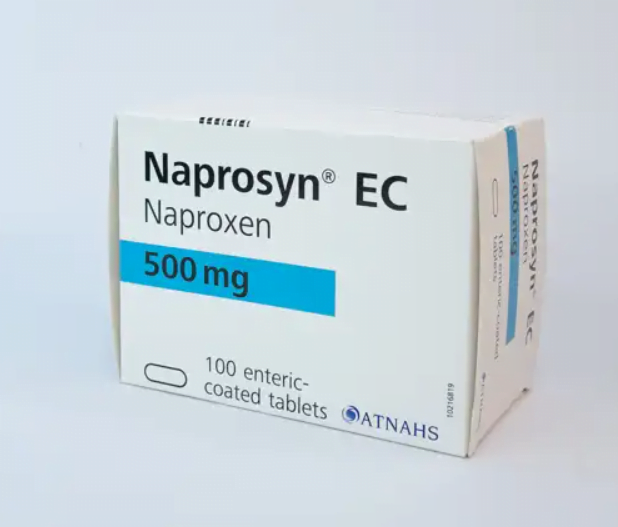
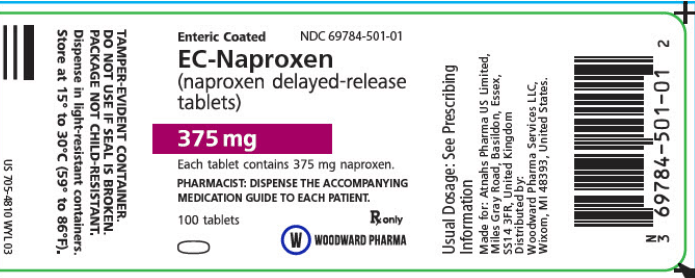
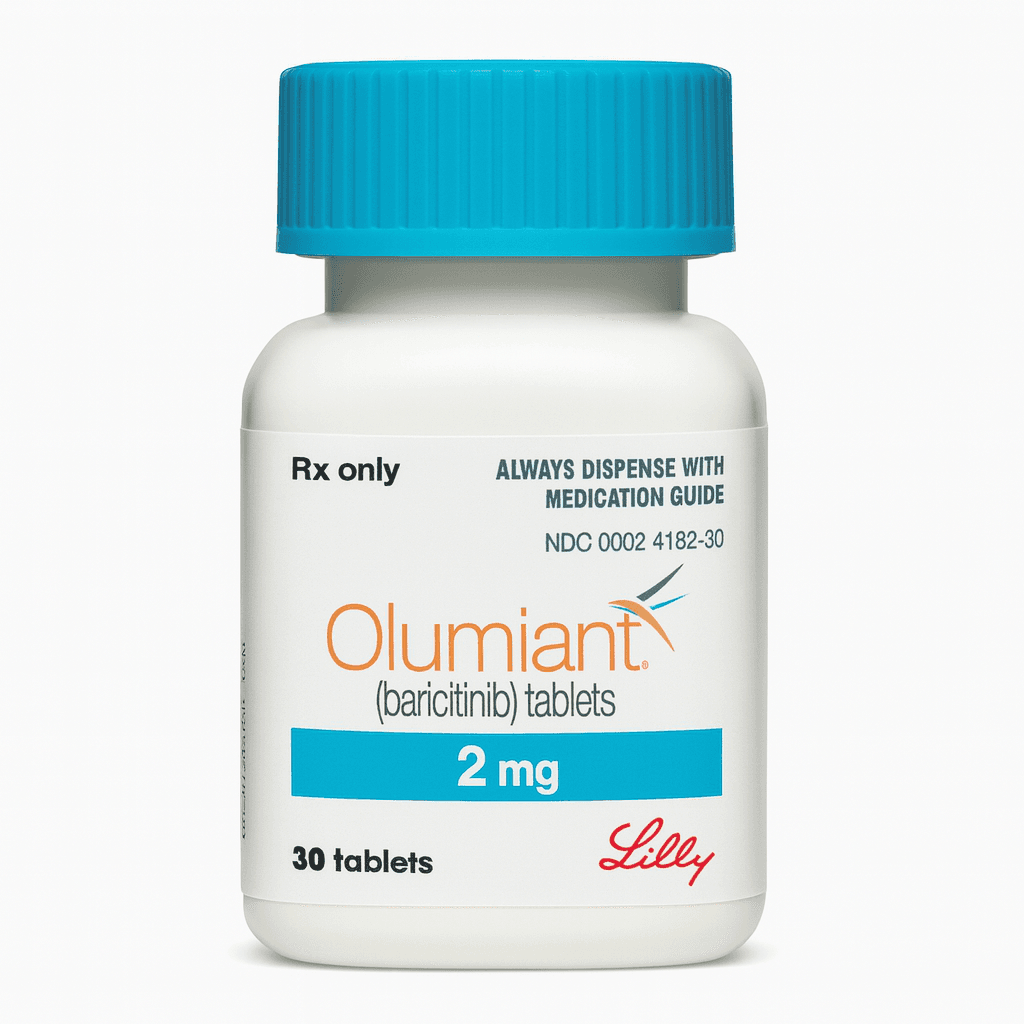
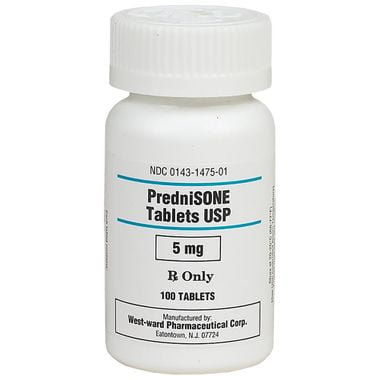
Find suitable medication for Rheumatoid Arthritis
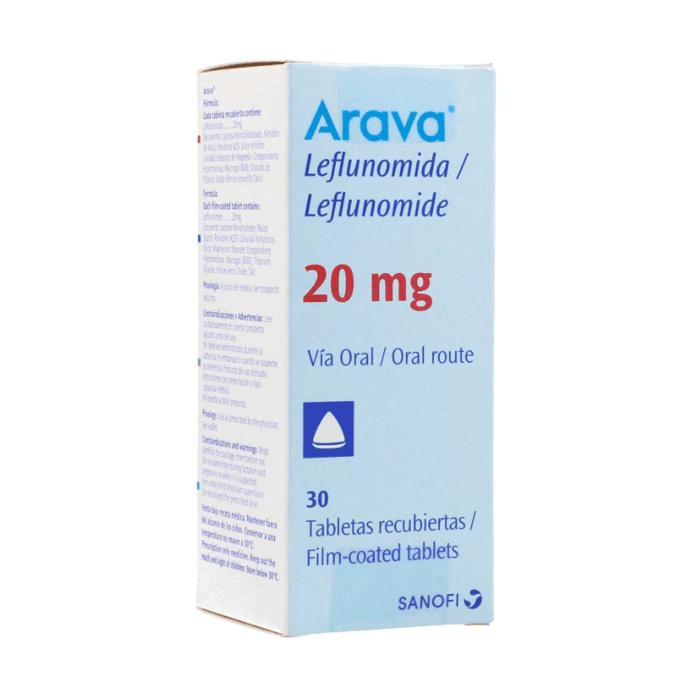


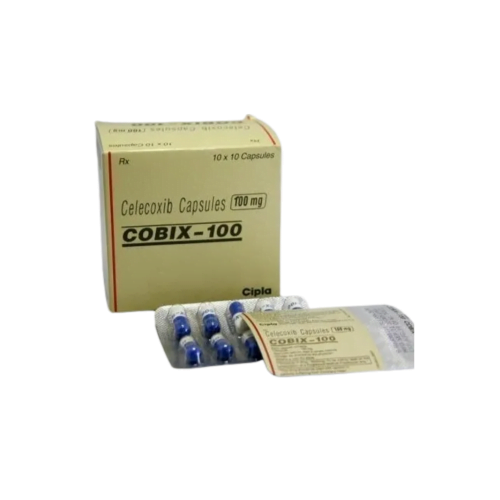

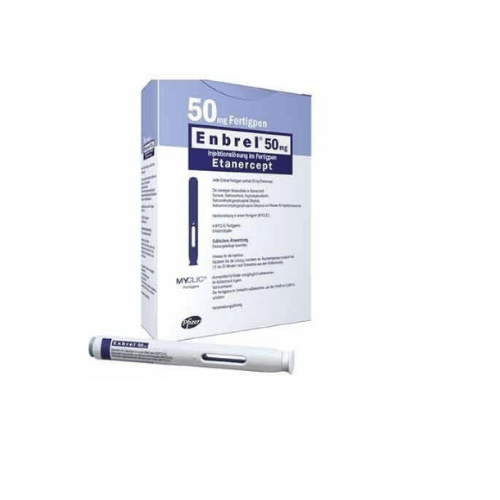




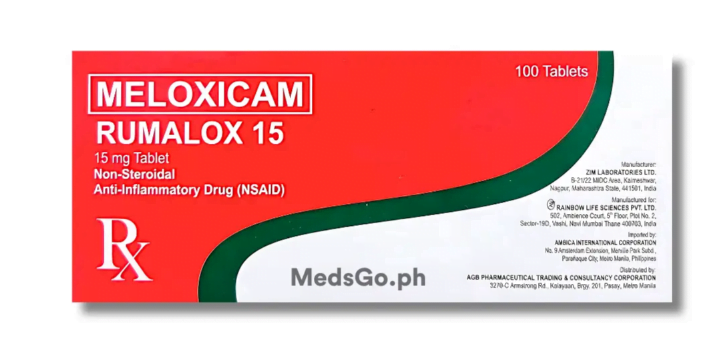



Book a telehealth visit to discuss Rheumatoid Arthritis
Find a doctor
Speciality
State

Video Visit
$69

Video Visit
$69

Video Visit
$69

Video Visit
$69

Video Visit
$69

Video Visit
$69

Speciality: Dermatology, Family Medicine, Men's Health, Urgent Care, Women's health
Speaks: English, Spanish, French, Arabic, Portuguese
Video Visit
$69

Video Visit
$69

Video Visit
$69

Video Visit
$69

Video Visit
$69

Video Visit
$69
Frequently Asked Questions
What is included in this Rheumatoid Arthritis category page?
This category page groups practical information and navigation related to RA care. It may include overviews of medication classes, common monitoring terms, and safety considerations. It also links to Medispress educational reading that explains symptoms, flare patterns, and daily planning topics. The goal is to make browsing easier and reduce confusion around medical terminology. It does not replace clinician evaluation or personalized treatment decisions.
Do all RA medications require a prescription?
No. Some items used alongside RA care are available without a prescription, while many disease-modifying therapies require an Rx. Prescription status depends on the specific medication and local regulations. When an Rx is required, a licensed pharmacy typically verifies the prescription before dispensing. Some therapies also have monitoring or documentation expectations that affect continuation. A licensed clinician determines whether a medication is appropriate for a given situation.
What information is helpful for a telehealth visit about joint symptoms?
Clinicians often look for clear timelines and specific symptom details. Helpful information can include which joints swell, how long morning stiffness lasts, and whether pain improves with movement. A short list of current medicines, allergies, and past side effects also helps. Lab and imaging records can add context when available. On Medispress, patients can use the app to share relevant history and documents for review.
How should results like ESR, CRP, rheumatoid factor, or anti-CCP be interpreted?
These results provide context, but they rarely stand alone. ESR and CRP reflect inflammation levels and can rise for many reasons. Rheumatoid factor and anti-CCP are antibody tests that can support RA classification, but some people test negative. Clinicians interpret results alongside symptoms, physical exam findings, and imaging. Trends over time often matter more than a single value, especially when monitoring disease activity.
How can pregnancy affect RA treatment discussions?
Pregnancy planning can change which medicines are considered and how monitoring is handled. Some medications have specific warnings for pregnancy or breastfeeding, while others may be options depending on timing and clinical context. Clinicians usually review contraception status, pregnancy plans, and past pregnancy history as part of risk assessment. Medication changes should be guided by a licensed clinician, since stopping or switching therapies can affect disease control and safety.