


Retinal Vein Occlusion
Care Options for Retinal Vein Occlusion
Retinal Vein Occlusion is a blood-flow problem in the retina’s veins. It can affect sharp vision, side vision, or both. Some people notice blur, new floaters, or a dark area. Others learn about it after an eye exam. This category page helps patients and caregivers compare common terms, care pathways, and related topics.
RVO is often grouped as branch retinal vein occlusion or central retinal vein occlusion. Those labels describe which vein is blocked. They can shape the likely testing plan and follow-up needs. Visits are set-fee video appointments with licensed U.S. clinicians.
Retinal Vein Occlusion: What You’ll Find
This collection focuses on practical, plain-language orientation. It explains what the diagnosis name usually means. It also clarifies why certain tests come up in care discussions. Expect references to OCT imaging retina (retinal scan) and fluorescein angiography RVO (dye test). These tools help clinicians track swelling, bleeding, and blood flow changes.
The page also covers common related terms. That includes retinal hemorrhage (bleeding in the retina) and macular edema from RVO (swelling near central vision). It explains why symptoms can vary by location and severity. It also introduces retinal vein occlusion management as a long-term monitoring concept, not a one-time event.
- Definitions for branch versus central involvement
- Typical retinal vein occlusion symptoms and common first complaints
- High-level retinal vein occlusion causes and vascular risk factors
- How retinal vein occlusion diagnosis is commonly confirmed
- Overview of retinal vein occlusion treatment terms used in clinics
- Complications that can affect prognosis and follow-up frequency
How to Choose
Use this page to match resources to the question at hand. Some people want vocabulary for a retina visit. Others need context for a new imaging report. If records mention Retinal Vein Occlusion, note which eye and timing. That detail helps organize questions and paperwork.
Match the resource to the clinical question
- Location label: branch retinal vein occlusion or central retinal vein occlusion
- Key complication terms, including macular swelling or retinal hemorrhage
- Testing mentioned, such as OCT scans or fluorescein dye imaging
- Comparisons like retinal vein occlusion vs artery occlusion in notes
- Whether clinicians discussed monitoring RVO over repeated visits
- Any reference to recurrent retinal vein occlusion or new symptoms
Prepare information for the next visit
- A current medication list, plus recent changes from any clinician
- Past eye history, including glaucoma and retinal vein occlusion mentions
- Recent blood pressure readings, since hypertension is a common risk factor
- Diabetes history and last A1C result, if available
- Copies of imaging reports, especially OCT and angiography summaries
- Questions about retinal vein occlusion prognosis and expected monitoring
Quick tip: Keep imaging PDFs in one folder for easier sharing.
Safety and Use Notes
Vision symptoms can overlap across several urgent conditions. Sudden vision loss, severe eye pain, or a curtain-like shadow needs prompt evaluation. Clinicians also watch for signs of retinal ischemia (low oxygen) and new vessel growth. Those issues can raise the risk of complications and vision loss from RVO.
Retinal Vein Occlusion is linked with vascular and eye risk factors. Risk factors for retinal vein occlusion can include hypertension and retinal vein occlusion overlap, diabetes, and smoking history. Some cases also involve glaucoma and retinal vein occlusion together, due to eye pressure effects. A clinician may also consider thrombosis of retinal vein as a mechanism term. Care is discussed in a secure, HIPAA-aligned mobile app.
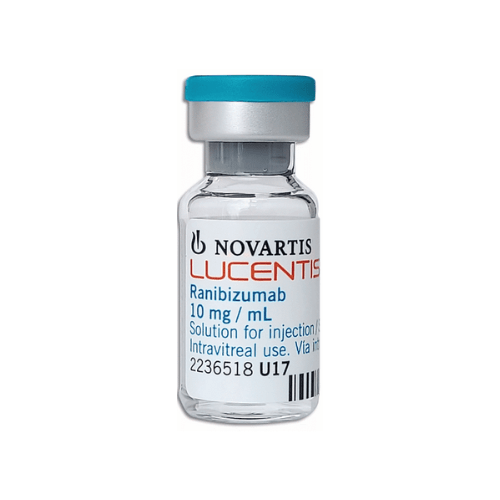
- Anti-VEGF injections for RVO (medicine that reduces abnormal vessel signals)
- Intravitreal injections (medicine placed into the eye in clinic)
- Laser photocoagulation RVO (laser used for selected complications)
- Follow-up imaging to track swelling and bleeding patterns
- Monitoring for eye pressure changes and other injection-related risks
Why it matters: Artery blockage can look similar but needs different urgent care.
Do not assume one plan fits everyone. Retinal specialist consultation often depends on exam findings and imaging. Many decisions are based on macular involvement and overall retinal perfusion. Retinal vein occlusion guidelines can also vary by situation and clinician judgment.
Access and Prescription Requirements
Some care is office-based and cannot be shipped. Examples include in-clinic injections and many imaging steps. Other supportive medications are prescription-only and require verification. Retinal Vein Occlusion care may also involve managing related conditions like hypertension. That part is usually coordinated across eye and primary care teams.
On Medispress, telehealth visits are completed by video in the app. Notes and documentation are handled in a protected workflow. When appropriate, clinicians can coordinate prescriptions through partner pharmacies. Dispensing rules depend on state regulations and medication type.
- Prescription items require a valid prescription and identity checks
- Some treatments require in-person care with specialized equipment
- Shipping eligibility can vary by medication and pharmacy policies
- Cash-pay options may be available, often without insurance, for some items
- Keep allergy lists and prior reactions available for the care team
For caregivers, it helps to track appointment dates and symptom changes. It also helps to list prior eye procedures and imaging dates. That context can reduce confusion between visits and reports.
Related Resources
Related topics can help explain why vision changed and what gets monitored. For swelling tied to retinal vein blockage, browse Macular Edema From RVO. For everyday vision habits and general eye health, see Improve Eyesight Naturally. Retinal Vein Occlusion follow-up often includes repeat imaging and symptom review.
For a plain-language overview, see American Academy of Ophthalmology. For additional background on retinal vascular disease, see National Eye Institute.
This content is for informational purposes only and is not a substitute for professional medical advice.

Find suitable medication for Retinal Vein Occlusion
Book a telehealth visit to discuss Retinal Vein Occlusion
Find a doctor
Speciality
State

Video Visit
$69

Video Visit
$69

Video Visit
$69

Video Visit
$69

Video Visit
$69

Video Visit
$69

Speciality: Dermatology, Family Medicine, Men's Health, Urgent Care, Women's health
Speaks: English, Spanish, French, Arabic, Portuguese
Video Visit
$69

Video Visit
$69

Video Visit
$69

Video Visit
$69

Video Visit
$69

Video Visit
$69
Frequently Asked Questions
What is retinal vein occlusion?
Retinal vein occlusion is a blockage in a vein that drains blood from the retina. The retina is the light-sensing tissue at the back of the eye. A blockage can lead to bleeding, swelling, or reduced oxygen delivery. People may notice blurred vision, floaters, or a dark spot. Clinicians may describe branch or central types, based on which vein is involved. Evaluation usually includes a dilated eye exam and retinal imaging.
What is the difference between branch and central retinal vein occlusion?
Branch retinal vein occlusion involves a smaller vein branch. Central retinal vein occlusion involves the main vein trunk. This difference can affect how much of the retina is impacted. It can also change which complications are more likely. Imaging findings often guide how clinicians describe severity. Reports may mention macular edema, retinal hemorrhage, or ischemia. Those terms help explain vision changes and why monitoring plans differ.
What tests are commonly used for diagnosis and monitoring?
Clinicians often use OCT (optical coherence tomography) to map retinal swelling. OCT is a fast scan that shows layers of the retina. Fluorescein angiography may be used to assess blood flow patterns. It uses dye to highlight circulation in retinal vessels. A dilated exam helps identify hemorrhage, new blood vessels, and other changes. Follow-up testing depends on symptoms and the initial imaging results.
When is vision loss considered an emergency?
Sudden vision loss, severe eye pain, or a new curtain-like shadow needs urgent attention. New flashes of light or a rapid increase in floaters can also be concerning. These symptoms can overlap with other serious eye conditions. They may include retinal detachment or artery blockage. Prompt evaluation helps protect vision and guides next steps. This information is general and does not replace clinician assessment.
Can telehealth help with retinal vein occlusion questions?
Telehealth can help with education and care coordination questions. It can also help review symptom timelines and medication lists. Many diagnostic steps still require in-person eye exams and retinal imaging. Some treatments, like intravitreal injections, are typically done in clinic. On Medispress, video visits are completed with licensed U.S. clinicians in a secure app. Clinicians decide what is appropriate based on the situation.