


Respiratory Tract Infection
Care Options and Resources for Respiratory Tract Infection
Use this category page to learn about Respiratory Tract Infection and common next steps. It brings together education, browsing links, and care-access basics in one place. Caregivers can compare terms and symptom patterns, then open deeper resources. The goal is clearer planning before a clinic visit or pharmacy request.
Respiratory infections can involve the nose, throat, airways, or lungs. Clinicians may describe an upper respiratory tract infection or a lower respiratory tract infection. Many cases start as a viral respiratory infection, but bacteria can also contribute. Symptoms can overlap with cold and flu, so labels vary.
Age and medical history can change risk and follow-up needs. Respiratory infection in children may look different than respiratory infection in adults. Respiratory infection in elderly people can also raise complication concerns. Pregnancy can also affect which options are considered.
Quick tip: Keep a short symptom timeline and medication list for visits.
Respiratory Tract Infection: What You’ll Find
This collection supports browsing across similar diagnoses and symptom labels. Some listings use broad terms, while others use narrower language. To compare nearby groupings, browse Respiratory Infection and Respiratory Tract Infections.
Each page typically explains common respiratory infection symptoms in plain language. Many resources summarize possible causes and risk factors. They may also cover how clinicians think about diagnosis, including history and exam. You may also see notes on contagious spread and typical incubation periods.
Information here stays practical and browsing-friendly. It can help caregivers organize questions for a clinician. It can also clarify what “acute” and “chronic” can mean in this context.
- Upper versus lower airway terminology and what it usually implies
- Common symptom clusters and how they can overlap
- Typical triggers, including viral and bacterial causes
- Possible complications and situations that need urgent evaluation
- Prevention basics, including hygiene and exposure reduction
- Home care and self care topics to discuss with clinicians
Medispress clinicians are licensed in the U.S. and meet by secure video.
How to Choose
This page works best as a sorting tool. Start with the closest label for the situation. Then look for details that match age, health history, and symptom severity. For visit logistics, see How Virtual Visits Work and Practical Virtual Visit Guide.
When reviewing Respiratory Tract Infection materials, focus on what changes the plan. Duration, breathing symptoms, and underlying lung disease often matter. Notes about exposure and prior episodes also help clinicians narrow the differential diagnosis.
Match the resource to the situation
- Upper symptoms versus chest symptoms, based on where discomfort centers
- Acute onset versus long-lasting symptoms that keep returning
- Likely viral patterns versus features that may suggest bacterial involvement
- Risk factors like asthma, COPD, or immune suppression
- Higher-risk groups, including children, older adults, and pregnancy
- Contagiousness concerns, especially when others in the home are ill
Prepare questions for a clinician
- What signs suggest a clinic visit versus urgent care evaluation
- What a diagnosis means in plain language, and what it rules out
- Whether antibiotics are relevant, and what alternatives exist
- How to handle school or work notes, if needed
- How other medicines might interact with new prescriptions
- What follow-up is recommended if symptoms change or persist
Safety and Use Notes
Respiratory symptoms range from mild to serious, even within similar labels. People should avoid sharing prescription medicines or leftover antibiotics. It also helps to avoid double-dosing when using multi-symptom cold products. Product labels can contain overlapping ingredients, including antipyretics (fever-reducers).
Why it matters: Early recognition of red flags can prevent delays in care.
Some Respiratory Tract Infection symptoms can signal complications or a different condition. Seek urgent evaluation for severe or rapidly worsening symptoms. This is especially important for infants and people with heart or lung disease.
- Trouble breathing, fast breathing, or breathing that looks labored
- Chest pain, fainting, or new confusion
- Blue or gray lips or face
- Dehydration signs, including very low urination
- High fever in very young children, or fever that will not ease
- Severe weakness or inability to keep fluids down
- Symptoms that worsen after initial improvement
Antibiotics help bacterial infections, not viral ones. Clinicians may use symptoms and exam findings to guide that call. For general antibiotic guidance, see CDC Antibiotic Use.
Visits take place in a HIPAA-compliant app that protects health information.
Access and Prescription Requirements
Some treatments are over-the-counter, while others require a prescription. Prescription-only items require a valid prescription and pharmacy verification. Requirements can differ by medicine and by state regulations. This category page focuses on explaining options and helping with navigation.
Some Respiratory Tract Infection care involves prescription-only medicines, based on clinical assessment. Medispress supports telehealth access for eligible concerns, which can help with timely evaluation. Many people also explore cash-pay options, including visits without insurance, when coverage is limited.
- Browse the condition collection to compare terms and common scenarios
- Review medication history, allergies, and existing conditions before a visit
- Use an intake form to share symptoms, duration, and any exposures
- Meet a clinician by video when a visit is appropriate
- Ask for clear next-step guidance and documentation, when needed
- If clinically appropriate, prescriptions may be sent to partner pharmacies
- Pharmacies follow dispensing rules and verify prescriptions before fill
- Follow state-specific limits for controlled or restricted medications
When appropriate, providers can send prescriptions to partner pharmacies, following state rules.
Related Resources
If broader breathing and airway topics are useful, browse the Respiratory Health Category. That directory can help connect Respiratory Tract Infection questions to nearby topics. It can also help caregivers compare “respiratory infection vs cold and flu” language across sources.
These resources support planning and safer conversations with clinicians. They do not replace an exam or individualized medical advice. Use them to organize questions, track symptom changes, and understand common terminology.
This content is for informational purposes only and is not a substitute for professional medical advice.

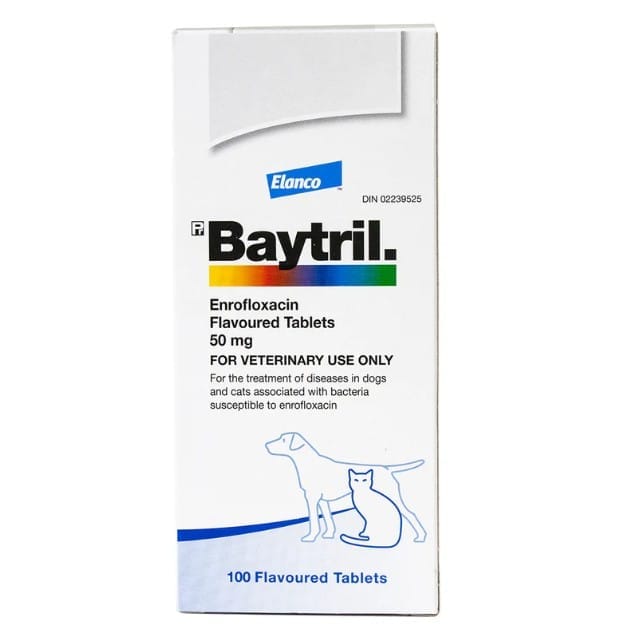
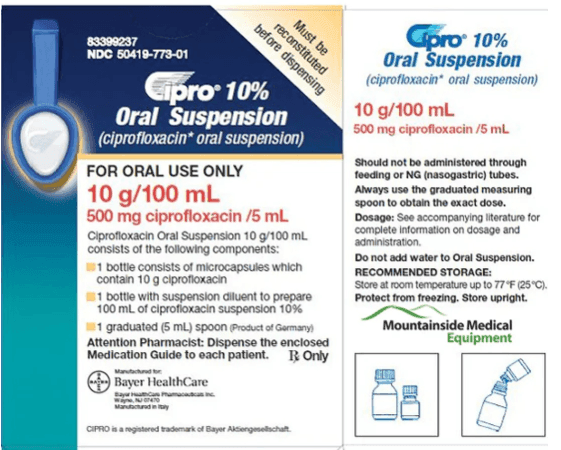
Find suitable medication for Respiratory Tract Infection









Book a telehealth visit to discuss Respiratory Tract Infection
Find a doctor
Speciality
State

Video Visit
$69

Video Visit
$69

Video Visit
$69

Video Visit
$69

Video Visit
$69

Video Visit
$69

Speciality: Dermatology, Family Medicine, Men's Health, Urgent Care, Women's health
Speaks: English, Spanish, French, Arabic, Portuguese
Video Visit
$69

Video Visit
$69

Video Visit
$69

Video Visit
$69

Video Visit
$69

Video Visit
$69
Frequently Asked Questions
What will I find on this Respiratory Tract Infection category page?
This category page groups condition-focused resources in one place. It may include educational summaries, links to related condition collections, and guidance on how terms get used. Caregivers can compare common symptom patterns, typical causes, and general safety considerations. It also covers practical access topics, like when prescriptions may be required and what verification usually involves. The goal is to make browsing easier and help organize questions for a clinician.
How are upper and lower respiratory tract infections different?
Clinicians often use “upper” to describe infections in the nose, sinuses, and throat. “Lower” can refer to the airways and lungs, such as the bronchial tubes. Symptoms can overlap, and the same virus can affect multiple areas. The label can influence what a clinician considers during an evaluation and whether an in-person exam is needed. Only a licensed clinician can confirm a diagnosis for a specific person.
When do respiratory symptoms need urgent medical evaluation?
Urgent evaluation may be needed when symptoms are severe or quickly worsening. Concerning signs can include trouble breathing, chest pain, confusion, fainting, blue or gray lips, or severe dehydration. Very young children, older adults, pregnant people, and those with heart or lung disease may face higher risk from complications. If symptoms feel alarming or unsafe, emergency services may be more appropriate than routine care.
Do antibiotics treat respiratory tract infections?
Antibiotics treat bacterial infections, not viral infections. Many respiratory illnesses start as viral, so antibiotics are not always appropriate. A clinician considers the overall picture, including symptom pattern, duration, and exam findings. Using antibiotics when they are not needed can cause side effects and contribute to resistance. For general background, the CDC provides antibiotic use information that explains why careful prescribing matters.
How can telehealth help with respiratory concerns?
Telehealth can support an initial evaluation when a clinician can safely assess symptoms by video. A visit may include questions about symptom timing, breathing, fever, exposures, and medical history. Clinicians make clinical decisions, including whether an in-person exam is needed. When clinically appropriate, a provider may coordinate prescription options through partner pharmacies, depending on state rules. Telehealth works best when information is clear and complete.
Can I use Medispress if I do not have insurance?
Some people use cash-pay options when insurance is unavailable or limited. Availability can depend on the service type, the medication, and state-specific rules. Prescription-only medications still require a valid prescription and pharmacy verification. A clinician decides whether a prescription is appropriate, based on the visit and medical history. The best approach is to review the access details shown during scheduling and checkout steps.