


Relapsing Multiple Sclerosis
Care Options for Relapsing Multiple Sclerosis
This category page gathers practical information about Relapsing Multiple Sclerosis for patients and caregivers. It supports browsing, learning key terms, and comparing common care paths. Use it to understand RRMS (relapsing-remitting MS) language, relapse concepts, and medication types. It also helps track questions to discuss with a clinician.
Some people use this page while newly diagnosed. Others return during a flare, medication change, or planning stage. The goal is clarity without overwhelm, using both medical and plain language.
Medispress visits happen by video with licensed U.S. clinicians.
Relapsing Multiple Sclerosis: What You’ll Find
This browse page brings together the topics people search during RRMS decision points. That includes relapsing MS symptoms, how clinicians describe relapses, and how they think about progression. It also covers common testing terms, like MRI lesions MS and oligoclonal bands (immune proteins found in spinal fluid).
Many people also want to compare relapsing MS treatments at a high level. This can include disease-modifying therapies (DMTs) for RRMS, sometimes grouped by dosing style. Examples include injectables, oral medicines, and infusions. When available on Medispress, you can also open medication pages for deeper background, like Ocrevus.
Why it matters: Clear terms can reduce stress during fast medical conversations.
What’s included on this page may cover:
- Core definitions, including RRMS, relapse, and disability progression terms
- Diagnosis concepts, like McDonald criteria and MRI interpretation basics
- Treatment categories, including first-line MS therapies and high-efficacy therapy MS discussions
- Relapse management MS terms, including corticosteroids for relapse and plasmapheresis MS relapse
- Life context topics, like pregnancy and MS, pediatric relapsing MS, and comorbidities in MS
- Patient education MS and support resources MS links for planning and coping
How to Choose
People often browse with different goals. Some want a medication name explained. Others want help sorting “what happens next” after relapsing MS diagnosis language appears in notes. This section offers a non-medical checklist for comparing resources and preparing for visits about Relapsing Multiple Sclerosis.
Match the resource to the decision
- Look for clear definitions of RRMS, SPMS, and clinically isolated syndrome terms
- Check whether a page distinguishes symptoms from relapse terminology
- Prefer sources that name standard tests, without overselling certainty
- Note whether it explains MRI findings in plain language
- Scan for practical considerations, like dosing route and monitoring needs
- Watch for red flags, like miracle claims or “one-size” treatment promises
Bring focused questions to a clinician
- What criteria support the working diagnosis, including McDonald criteria elements?
- How do MRI lesions MS findings change follow-up plans over time?
- How do DMTs for RRMS differ in goals, risks, and monitoring needs?
- What does “high-efficacy” mean in this context, and why?
- How do comorbidities in MS affect medication choices and side effects?
- What life plans matter now, like pregnancy and MS considerations?
Quick tip: Keep a one-page timeline of symptoms, scans, and medication starts.
Safety and Use Notes
MS medicines and relapse care can involve meaningful risks and tradeoffs. DMTs aim to reduce inflammatory activity, but they do not work the same for everyone. Many require screening, ongoing labs, or infection risk counseling. A clinician can explain how benefits and risks apply to one person’s history.
Relapse language can also feel confusing in real life. People may hear “MS relapse vs pseudo relapse” during a call or portal message. A pseudo relapse often means old symptoms flare due to a trigger, not new inflammation. Triggers can include heat, illness, poor sleep, and stress, but patterns vary.
| Term | Plain-language meaning | Why it changes next steps |
|---|---|---|
| Relapse | New or clearly worse neurologic symptoms, lasting longer | Clinicians may consider relapse management and updated imaging |
| Pseudo relapse | Temporary worsening of old symptoms from a trigger | Clinicians often look for the trigger and symptom context |
| Progression | Gradual disability changes, sometimes between relapses | It can shift the RRMS vs SPMS conversation over time |
Appointments on Medispress run in a secure, HIPAA-compliant app.
High-level safety topics worth understanding include:
- Infection screening and vaccination timing discussions for some therapies
- Pregnancy and MS planning, including medication timing conversations
- Pediatric relapsing MS care, which often involves specialist coordination
- Relapse treatments that may be used in some cases, like steroids
- Escalation options sometimes discussed, like plasmapheresis for severe relapses
Access and Prescription Requirements
Many MS medications require a prescription and careful coordination. Some are handled through specialty pharmacy workflows. Others require prior documentation, labs, or infusion site scheduling. Administrative steps can feel slow, so it helps to know what may be requested upfront.
Medispress offers flat-fee telehealth visits, but clinicians decide what is clinically appropriate. When appropriate, providers may coordinate prescription options through partner pharmacies. These processes follow state rules and dispensing requirements. Some people prefer cash-pay options, often without insurance, depending on eligibility and access.
Common requirements and paperwork can include:
- Identity verification and prescription review where required by law
- Medication history, including past DMTs and reasons for stopping
- Recent MRI dates, major findings, and where images were performed
- Lab results or screening records, when a therapy typically needs them
- Documentation for workplace or school accommodations, if requested
Related Resources
For medication overviews, browse DMT information pages like Copaxone when they are relevant to your browsing. For broader education, these sources explain RRMS concepts and relapse terminology in patient-friendly language: read National MS Society guidance in a neutral overview at Relapsing-Remitting MS. For a general medical overview of MS, see this NIH resource at Multiple Sclerosis.
If goals change over time, this page can still help track terms. That includes lifestyle and MS topics, like exercise and MS and diet and MS basics. It can also support planning around clinical trials RRMS discussions. Many people revisit it when they hear about MS progression to SPMS.
This content is for informational purposes only and is not a substitute for professional medical advice.

Find suitable medication for Relapsing Multiple Sclerosis
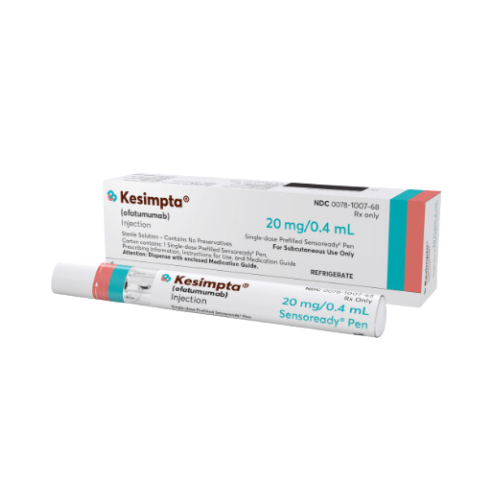
Book a telehealth visit to discuss Relapsing Multiple Sclerosis
Find a doctor
Speciality
State

Video Visit
$69

Video Visit
$69

Video Visit
$69

Video Visit
$69

Video Visit
$69

Video Visit
$69

Speciality: Dermatology, Family Medicine, Men's Health, Urgent Care, Women's health
Speaks: English, Spanish, French, Arabic, Portuguese
Video Visit
$69

Video Visit
$69

Video Visit
$69

Video Visit
$69

Video Visit
$69

Video Visit
$69
Frequently Asked Questions
What can I compare on this category page?
This page helps visitors compare terminology, treatment categories, and common decision points. It brings together definitions like RRMS and relapsing-remitting MS, plus relapse vocabulary. It may also link to medication overviews, when those pages exist on the site. Use it to organize questions for a clinician, not to self-diagnose. If a page mentions tests like MRI findings or spinal fluid markers, it is meant as context.
How is RRMS different from SPMS?
RRMS usually describes MS with relapses and periods of recovery. SPMS (secondary progressive MS) describes a phase where disability may worsen more steadily over time. Some people still have relapses after progression begins, so the terms can overlap. Clinicians use patterns over months and years, plus exams and imaging, to describe the course. If you see “RRMS vs SPMS” in notes, ask what data supports that label.
What is the difference between an MS relapse and a pseudo relapse?
An MS relapse often means new neurologic symptoms, or clear worsening, lasting longer and not explained by another cause. A pseudo relapse usually means older symptoms temporarily worsen due to a trigger. Common triggers can include infections, heat, stress, or poor sleep. The difference matters because evaluation and next steps may change. If symptoms are severe, rapidly worsening, or concerning, seek urgent medical care.
What information is helpful to have ready for a telehealth visit?
It helps to have a short timeline of symptoms, relapse dates, and recovery. Keep a list of current and past disease-modifying therapies and side effects. If available, note MRI dates and where scans were performed. Bring recent lab results if they relate to MS treatment monitoring. Also list other conditions and medicines, since comorbidities can affect decisions. Telehealth works best when key records are easy to share.
Do disease-modifying therapies cure relapsing-remitting MS?
DMTs do not cure relapsing-remitting MS. They aim to reduce inflammatory disease activity and may lower relapse risk for some people. Different therapies have different risk profiles, monitoring needs, and practical considerations. A clinician considers disease history, MRI activity, other medical conditions, and life plans. Decisions should weigh benefits, side effects, and safety screening needs. Use trusted sources and a licensed clinician’s guidance for personal choices.