


Pulmonary Edema
Care Options for Pulmonary Edema
Pulmonary Edema can feel scary, especially when breathing changes quickly. This category page brings together practical education and care navigation for patients and caregivers. It focuses on plain-language explanations, common medical terms, and how prescriptions may be handled when appropriate.
Content here supports browsing and preparation, not self-diagnosis or self-treatment. Visits, when offered, are completed by licensed U.S. clinicians over video.
Pulmonary Edema: What You’ll Find
This collection covers the basics of fluid in the lungs, including key terms that clinicians use. It also uses the alternate spelling pulmonary oedema when that appears in records. The goal is to make it easier to understand what may be listed in discharge paperwork, imaging notes, or a care plan.
Many listings and resources discuss patterns like acute versus chronic symptoms. Some focus on likely pathways, such as cardiogenic pulmonary edema (heart-related) and noncardiogenic pulmonary edema (non-heart causes). Others reference high altitude pulmonary edema, which is linked to low oxygen at elevation.
Quick tip: Keep a short symptom timeline and key documents in one place.
- Plain-language overview and pulmonary edema pathophysiology (how fluid builds up)
- Common pulmonary edema causes and pulmonary edema risk factors
- Pulmonary edema symptoms to recognize in everyday terms
- How pulmonary edema diagnosis is typically described in notes
- High-level pulmonary edema treatment options and pulmonary edema management themes
- Related condition collections for comparison and context
How to Choose
When reviewing Pulmonary Edema materials, it helps to separate symptom descriptions from next-step planning. Some pages emphasize warning signs, while others focus on follow-up needs and documentation. The most useful resources usually explain what terms mean, and what questions to bring to a visit.
Details that help interpretation
- Whether the content discusses acute pulmonary edema or chronic pulmonary edema patterns
- Mentions of cardiogenic pulmonary edema versus noncardiogenic pulmonary edema causes
- How pulmonary edema chest x ray findings are described, in plain language
- Whether pulmonary edema echocardiography is mentioned as part of the workup
- Notes on pulmonary edema differential diagnosis, including pulmonary edema vs pneumonia
- Mentions of pulmonary edema vs pleural effusion, since both affect breathing
Questions that support a productive visit
- What prior records matter most, like imaging reports or hospital summaries
- Which pulmonary edema complications are being monitored, and why
- What the pulmonary edema prognosis discussion is based on, such as underlying causes
- Which terms in a note suggest urgent follow-up versus routine follow-up
- What pulmonary edema guidelines may be referenced in a plan, at a high level
For broader lung context, it can help to compare related collections like COPD Care Collection and Pulmonary Hypertension Collection. Similar symptoms can show up across conditions, even when causes differ.
Safety and Use Notes
Pulmonary edema emergency care topics often come up because breathing symptoms can change fast. Educational pages may list warning signs and typical evaluation steps, but they cannot replace an in-person assessment. For a general medical overview, see this MedlinePlus reference on pulmonary edema.
Why it matters: Sudden breathing changes may require urgent evaluation.
- Severe shortness of breath, confusion, or fainting are often treated as urgent symptoms
- New chest discomfort or bluish lips can signal low oxygen or another emergency
- Foamy sputum, rapid weight gain, or swelling may be noted in clinical summaries
- High altitude pulmonary edema concerns are different from everyday altitude discomfort
- Medication lists matter, since drug effects can complicate breathing symptoms
Video visits in Medispress use a secure, HIPAA-compliant app for protected communication. Clinicians may also discuss what to monitor at home, but recommendations depend on the full clinical picture. For another clinician-reviewed overview, see this Mayo Clinic summary.
Access and Prescription Requirements
Some people arrive here after a hospital visit, while others are sorting out follow-up plans. If Pulmonary Edema resources reference pulmonary edema medications, prescriptions are still individualized. Any medication decision depends on the suspected cause, other diagnoses, and current vitals.
- Prescription-only items require a valid prescription and routine verification steps
- Clinicians make the clinical decisions, including whether prescriptions are appropriate
- When clinically appropriate, providers may coordinate options with partner pharmacies
- State regulations can affect which pharmacy services are available
- Cash-pay options may be available, sometimes without insurance
- Medication safety review often includes allergies, kidney history, and current meds
It can help to have recent discharge instructions, imaging impressions, and an updated medication list ready. These details support accurate documentation and reduce back-and-forth.
Related Resources
Some breathing symptoms overlap with other cardiopulmonary conditions. These links can help with context while comparing terminology and care pathways related to Pulmonary Edema.
This content is for informational purposes only and is not a substitute for professional medical advice.

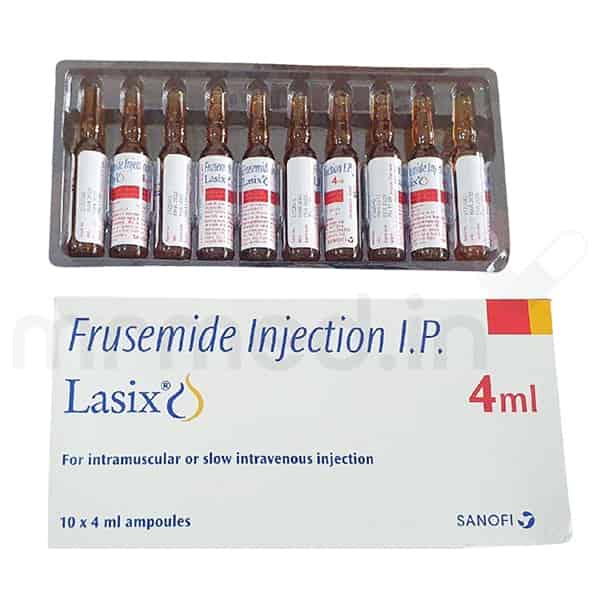
Find suitable medication for Pulmonary Edema
Book a telehealth visit to discuss Pulmonary Edema
Find a doctor
Speciality
State

Video Visit
$69

Video Visit
$69

Video Visit
$69

Video Visit
$69

Video Visit
$69

Video Visit
$69

Speciality: Dermatology, Family Medicine, Men's Health, Urgent Care, Women's health
Speaks: English, Spanish, French, Arabic, Portuguese
Video Visit
$69

Video Visit
$69

Video Visit
$69

Video Visit
$69

Video Visit
$69

Video Visit
$69
Frequently Asked Questions
What will I find on the Pulmonary Edema category page?
This page groups education and navigation items related to pulmonary edema. It may include plain-language explanations, common terms from clinical notes, and links to related condition collections. It can also include administrative information about prescriptions, verification, and how telehealth visits work on Medispress. The content is meant to support browsing and planning discussions with a clinician. It is not meant to diagnose conditions or choose treatment.
How is pulmonary edema different from pneumonia or pleural effusion?
Pulmonary edema describes fluid buildup in the lung tissue and air spaces. Pneumonia is typically an infection that inflames lung tissue. Pleural effusion refers to fluid collecting around the lung, between tissue layers. Symptoms can overlap, like shortness of breath and cough. Clinicians often use an exam, oxygen readings, and imaging to tell them apart. Notes may reference chest X-ray patterns, ultrasound findings, or other tests.
Can telehealth help with questions about breathing symptoms or records?
Telehealth can be useful for reviewing symptoms, medication lists, and existing records. It can also help clarify terms like cardiogenic versus noncardiogenic causes, or what an imaging impression might mean. Video visits have limits, since a clinician cannot perform a full in-person exam or urgent imaging through the app. If symptoms are severe or rapidly worsening, clinicians generally recommend urgent, in-person evaluation through appropriate local services.
What information should I have ready before scheduling a visit?
Having a few details ready can make a visit smoother. A current medication list, allergy history, and recent hospital or clinic notes are often helpful. If available, bring the wording from an imaging report, such as a chest X-ray impression. Recent vital signs and any oxygen readings can also help frame the discussion. A short timeline of when symptoms began, and what changed, supports clearer documentation.
How are prescriptions handled if medication is appropriate?
Prescription needs depend on the clinical assessment and the suspected underlying cause. A licensed clinician determines whether a prescription is clinically appropriate. If a prescription is needed, routine verification steps apply, and dispensing is handled by licensed pharmacies. In some cases, providers may coordinate prescription options through partner pharmacies, subject to state rules. Some services may be available as cash-pay, including options that are often used without insurance.