


Psychosis
Care Options and Resources for Psychosis
Psychosis is a clinical term for a break from shared reality. It can involve hallucinations and delusions, plus confused thinking. This category page supports patients and caregivers who are sorting symptoms and next steps.
Browse plain-language explanations, care pathways, and administrative details that often matter. This includes how evaluations work, what questions come up, and what support can help. Visits are by video with licensed U.S. clinicians.
Psychosis What You’ll Find
This collection brings together resources about psychotic symptoms and related conditions. It focuses on practical definitions and common patterns people notice first. Many pages also explain how clinicians describe severity, duration, and functional impact.
Expect information that helps with organization, not self-diagnosis. That can include early warning signs, common triggers, and what an assessment may review. Some resources also cover recovery supports, coping skills, and family communication basics.
- Common signs, including hallucinations, delusions, and disorganized speech
- Possible contributors, like sleep loss, substances, and medical conditions
- How clinicians approach evaluation and differential diagnosis
- Care options, including therapy approaches and medication categories
- Support planning for families, caregivers, and trusted contacts
- Terminology help for clinic notes, referrals, and follow-up plans
How to Choose
Psychosis can look different across ages, timelines, and underlying causes. Picking the right starting point makes the rest of the page easier.
Start with context and urgency
Some situations need same-day help, especially when safety is unclear. If there is immediate danger, contact emergency services right away.
- How fast symptoms started and whether they fluctuate during the day
- Any recent substance exposure, including cannabis or stimulants
- Major sleep disruption, severe stress, or abrupt medication changes
- Presence of confusion, agitation, or inability to manage basic needs
- Recent pregnancy or delivery, which can change risk profiles
- Age-related factors, including new symptoms in teens or older adults
Why it matters: Earlier clinical support can lower disruption and improve safety planning.
Use this page to prepare for a clinician conversation
Many resources are most helpful when paired with a structured history. A short timeline and a medication list often improve documentation quality.
- Write down what was observed, including dates and specific examples
- Note changes in school, work, self-care, or social connection
- List current and past medicines, plus supplements and energy products
- Record medical history that can mimic psychiatric symptoms
- Bring prior records, such as discharge summaries or lab results
- Collect caregiver observations, since insight may be limited
Safety and Use Notes
Postpartum Psychosis is uncommon but can be high risk. Rapid mood shifts and confusion after delivery deserve urgent evaluation.
Resources in this category may mention medication classes used for psychotic symptoms. Those discussions are general and not a substitute for individualized prescribing. Side effects, interactions, and monitoring needs can differ by person and condition. Alcohol and other substances can also worsen symptoms or complicate medication safety.
For warning signs and basic definitions, see this NHS overview of symptoms: NHS Overview.
For a clinical overview of early warning signs, see this NIMH guide: NIMH Guide.
Clinicians, not the platform, make all clinical decisions.
| Term | What it can mean in plain language |
|---|---|
| Hallucinations | Sensing things that others do not perceive, like voices or visions |
| Delusions | Strong beliefs that do not match evidence or shared reality |
| Disorganized thinking | Speech that is hard to follow, with loose connections between ideas |
| Negative symptoms | Reduced motivation, expression, or social engagement over time |
| Catatonia | Marked movement or responsiveness changes (stupor or agitation) |
Some pages also clarify diagnostic language from the DSM-5 (a clinician reference manual). This can help interpret terms seen in notes, like brief psychotic disorder or mood disorders with psychotic features. It may also help with comparisons, such as schizoaffective disorder versus a symptom-only description. Use those sections as vocabulary support, not as a checklist for self-labeling.
Access and Prescription Requirements
Substance-induced Psychosis may require careful history before any medication decision. Clinicians may ask about timing, dose patterns, and withdrawal symptoms.
Many medicines discussed in this category are prescription-only. That means a licensed clinician must evaluate whether a prescription is appropriate. Pharmacies also verify prescription details and dispense under state and federal rules.
- Expect an intake process that reviews symptoms, history, and current medications
- Be ready to share allergies, prior reactions, and relevant medical diagnoses
- Some states have additional rules for certain controlled medications
- Refills and follow-ups depend on clinical judgment and local requirements
- Cash-pay options may be available, often without insurance, when permitted
Quick tip: Keep visit notes and pharmacy messages in one secure folder.
When appropriate, prescriptions may go to partner pharmacies, per state rules.
Related Resources
People often search for comparisons like Psychosis vs schizophrenia, or how mood symptoms fit in. The resources below can help connect those ideas without oversimplifying them.
If mood episodes are part of the picture, this guide may be useful for context: Treat Bipolar Disorder Safely.
- Look for sections on symptom timelines and functional impact
- Review notes on caregiver support and communication planning
- Use terminology guides to understand diagnoses and visit documentation
- Bring questions about therapy approaches and coordinated care models
This content is for informational purposes only and is not a substitute for professional medical advice.

Find suitable medication for Psychosis
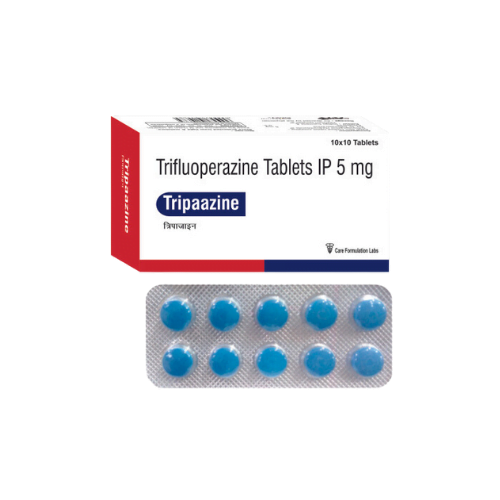
Book a telehealth visit to discuss Psychosis
Find a doctor
Speciality
State

Video Visit
$69

Video Visit
$69

Video Visit
$69

Video Visit
$69

Video Visit
$69

Video Visit
$69

Speciality: Dermatology, Family Medicine, Men's Health, Urgent Care, Women's health
Speaks: English, Spanish, French, Arabic, Portuguese
Video Visit
$69

Video Visit
$69

Video Visit
$69

Video Visit
$69

Video Visit
$69

Video Visit
$69
Frequently Asked Questions
What does this Psychosis category page cover?
This category page pulls together practical resources related to Psychosis. It can include symptom explanations, common causes, and how clinicians approach diagnosis. It may also cover care options, like therapy approaches and medication categories, at a high level. Some sections focus on caregiver support and planning for follow-ups. If telehealth is available, it can also explain how remote visits work and what information is typically reviewed.
How is psychosis different from schizophrenia?
Psychosis describes a group of symptoms, such as hallucinations, delusions, and disorganized thinking. Schizophrenia is a specific diagnosis with defined criteria, including duration and functional impact. A person can have psychotic symptoms for reasons that are not schizophrenia. Examples include mood disorders with psychotic features, medical causes, or substance effects. Only a licensed clinician can determine which diagnosis best fits a full history and evaluation.
What information is helpful for a clinician assessing possible psychotic symptoms?
Clinicians often ask for a clear timeline of what was observed and when it started. They may review sleep patterns, recent stressors, and any substance exposure. A current medication and supplement list is also important, including recent starts or stops. Many assessments include safety questions about confusion, agitation, or inability to manage basic needs. Prior records, like discharge summaries or lab results, can help clarify possible medical contributors.
When is psychosis an emergency?
Psychosis can be an emergency when there is immediate risk of harm. This includes threats or attempts to hurt self or others, severe agitation, or inability to care for basic needs. It can also be urgent when confusion rapidly worsens or behavior becomes unsafe. Postpartum symptoms that include confusion, severe mood shifts, or frightening beliefs may also need immediate attention. In these situations, contact emergency services or a local crisis line right away.
Can telehealth be used for psychosis-related concerns?
Telehealth can support evaluation and follow-up for some psychosis-related concerns. A licensed clinician can review symptoms, history, and current medications by video. They can also help decide whether in-person evaluation is needed for safety or medical workup. If medication is considered appropriate, prescribing rules depend on the state and the medication type. In higher-risk situations, emergency or in-person services may be the safest next step.