


Psoriasis
Care Options and Resources for Psoriasis
Psoriasis can cause itchy, scaly patches and discomfort that comes and goes. This category page brings together medication options, care notes, and condition basics for patients and caregivers. It can help with comparing routes of therapy and reading plain-language explanations. It also highlights what clinicians consider during evaluation and follow-up.
Tracking symptoms by body area can be useful for conversations later. Notes about scalp changes, nail changes, and joint pain can add important context. Video visits are available through a secure, HIPAA-compliant app.
Psoriasis What You’ll Find
This browse page pulls together items that often come up in care planning. Some listings may be non-prescription, while others require a clinician’s prescription. Where available, details can include the medication form, typical use context, and key label warnings. Educational content is written for everyday reading, not as a substitute for care.
The page also supports practical comparisons across options. That might include whether something is topical, oral, or injectable. It may include storage considerations at a high level, like refrigeration needs. Some people prefer to start with simpler routines, while others need escalation based on severity.
Why it matters: Clear categories can reduce confusion when browsing similar names and forms.
- Common symptom patterns and where they show up on the body
- Types and how they can look different across skin tones
- Common flare patterns and factors people report as triggers
- Overview of medication classes, from topical to systemic options
- Administrative notes on prescriptions, verification, and dispensing
- Links to related condition collections and educational reading
How to Choose
Choosing between options can feel overwhelming, especially during a flare. It helps to focus on fit, safety context, and how a plan fits daily life. Bring notes on possible psoriasis triggers, past treatments tried, and any side effects noticed. Photos taken in natural light can help show changes over time.
Match the approach to pattern and location
Location often shapes what a clinician discusses first. Scalp involvement may call for different vehicles than elbow or knee plaques. Nail changes can take time to track, so dated photos help. Some forms appear as small drops after an infection, while others affect skin folds.
- Body areas involved, including scalp and nails
- How widespread the patches are and how fast they change
- Symptoms that affect sleep, work, or daily routines
- History of skin infections, allergies, or sensitive skin reactions
- Other conditions that can change treatment choices
Plan for routine and follow-up
Consistency matters for many skin routines, even when motivation drops. Some options require regular lab monitoring, while others focus on local skin effects. Think about what is realistic for schedules, travel, and privacy needs. If joint symptoms are present, that may change the care conversation.
Quick tip: Keep a simple flare log with dates and major changes.
- How often a routine can realistically happen each week
- Comfort with creams, foams, shampoos, or injections
- Medication list review for possible interactions or duplications
- Questions to ask about expected monitoring and follow-up timing
- Preference for stepwise plans versus fewer, higher-complexity steps
Safety and Use Notes
U.S.-licensed clinicians review history and decide what care fits. Safety considerations vary by medication class and individual risk factors. Some products can irritate skin at first, especially on thin or broken skin. Others can affect the immune system and may change infection risk.
Many topical treatments for psoriasis require careful labeling and clear instructions. Some steroid creams can thin skin when overused or used on delicate areas. Systemic medications may require lab monitoring and medication interaction checks. Light-based therapies can carry burn risk when misused.
For a dermatologist-reviewed overview, see this American Academy of Dermatology overview.
- Ask how to recognize irritation versus allergy from a new product
- Review vaccines, infection history, and immune-related conditions
- Discuss pregnancy, breastfeeding, and family planning considerations
- Share all medicines and supplements to reduce interaction risk
- Confirm what monitoring may be needed, including labs or check-ins
- Clarify what to do if symptoms worsen or spread rapidly
Many people also wonder about look-alikes, including eczema and fungal rashes. A clinician may use history, exam, and sometimes skin sampling to clarify. Getting the label right can prevent unnecessary delays and frustration.
Access and Prescription Requirements
Some items in this collection can be purchased over the counter. Many other options require a valid prescription under U.S. law. Dispensing is handled by licensed pharmacies, and prescriptions are verified when required. Some listings support cash-pay access, often without insurance, depending on the option.
Documentation needs vary by medication and state rules. A clinician may ask about prior treatments, symptom timing, and related health conditions. Photos can help show extent and location, especially for scalp and nails. Keep a current medication list ready, including non-prescription products.
- Prescription status, including whether a clinical visit is needed
- Medication form and practical use considerations, like mess or odor
- Any required monitoring, such as periodic labs for some therapies
- Refill rules and how pharmacies handle early refill requests
- Coordination steps between clinician, pharmacy, and verification systems
When appropriate, prescriptions can be coordinated through partner pharmacies under state rules.
Also note that severe, rapidly worsening redness with systemic symptoms needs urgent evaluation. That includes fever, chills, confusion, or signs of skin infection. This page is meant to support browsing and preparation, not emergency decision-making.
Related Resources
If the main pattern is thick plaques, it may help to compare the plaque-focused collection. Browse Plaque Psoriasis for related options and context. If joint pain or stiffness is part of the picture, see Psoriatic Arthritis Treatment for an overview of medications and home care topics.
For patient-friendly background and support topics, see these National Foundation basics. These resources can help with terminology, common questions, and what to track between visits. Use them to prepare questions and keep records organized.
This content is for informational purposes only and is not a substitute for professional medical advice.

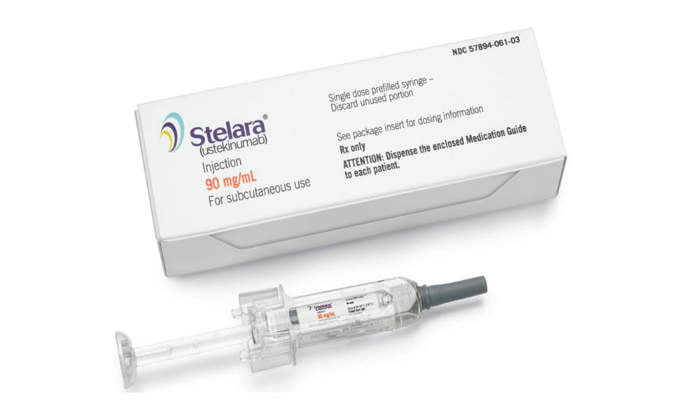
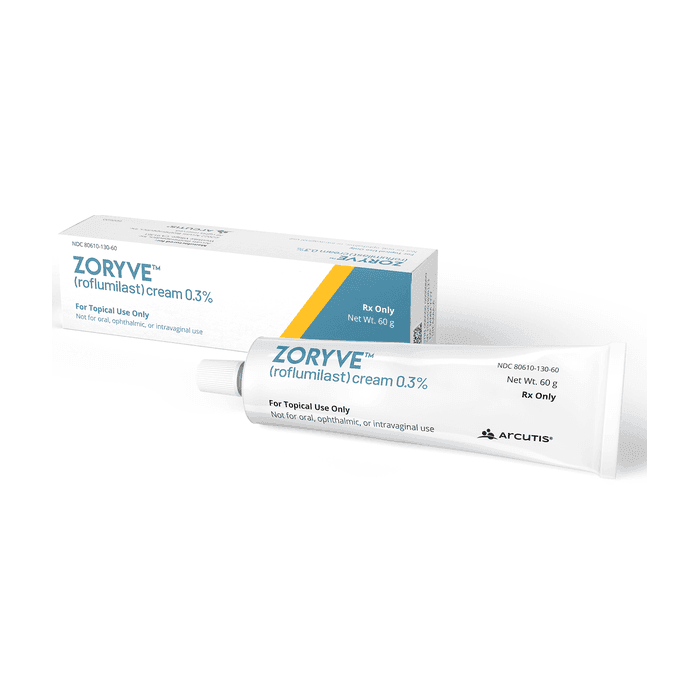
Find suitable medication for Psoriasis

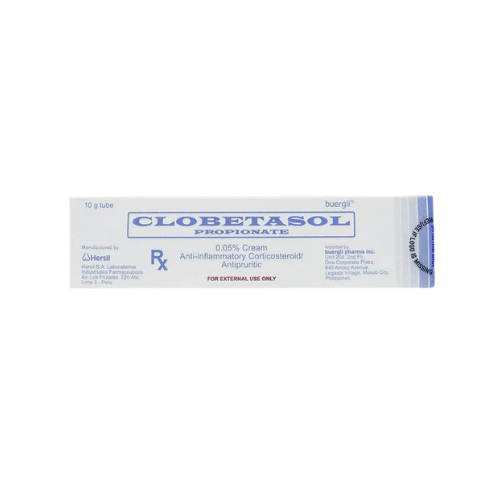
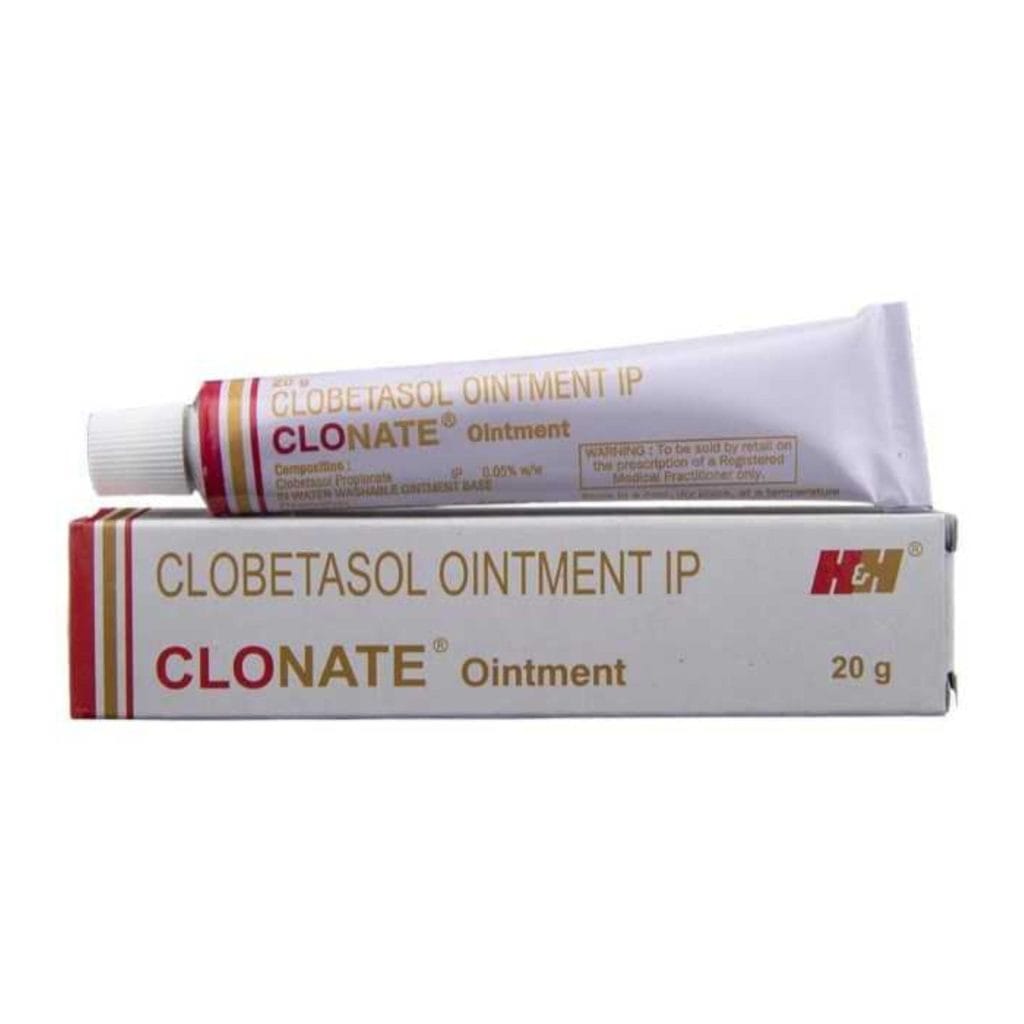

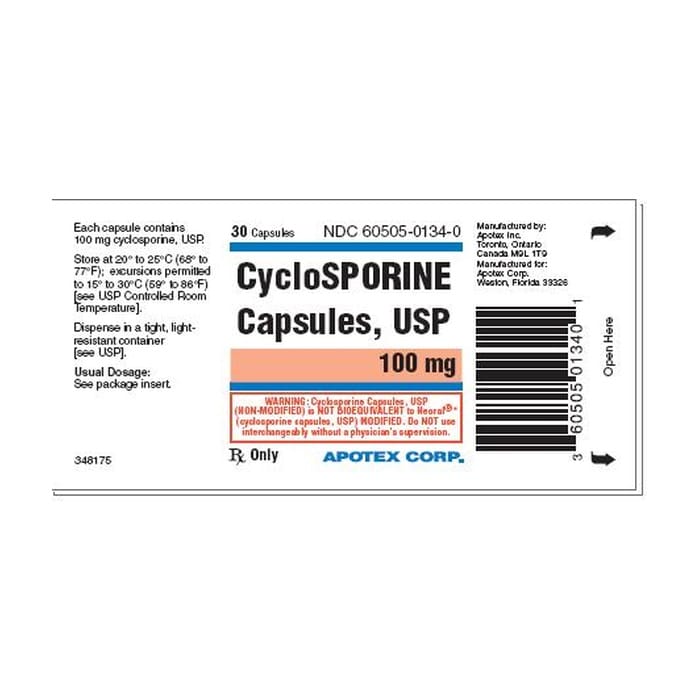

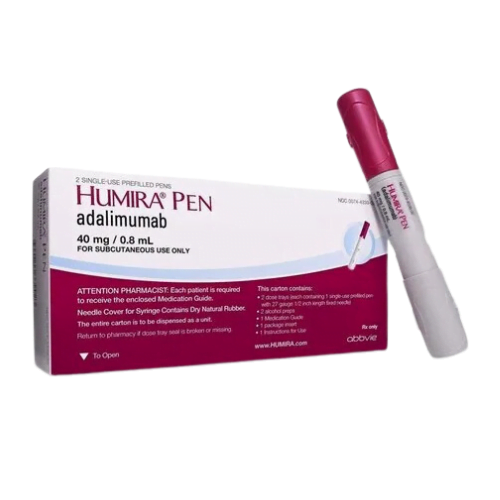



Book a telehealth visit to discuss Psoriasis
Find a doctor
Speciality
State

Video Visit
$69

Video Visit
$69

Video Visit
$69

Video Visit
$69

Video Visit
$69

Video Visit
$69

Speciality: Dermatology, Family Medicine, Men's Health, Urgent Care, Women's health
Speaks: English, Spanish, French, Arabic, Portuguese
Video Visit
$69

Video Visit
$69

Video Visit
$69

Video Visit
$69

Video Visit
$69

Video Visit
$69
Frequently Asked Questions
What can I browse on this Psoriasis page?
This category page groups together items and resources related to the condition. Some entries may be educational pages, while others may be prescription-requiring options. When available, listings can show the medication form, key label cautions, and administrative notes. The goal is to make browsing easier and reduce confusion between similar names. Use the links on the page to compare related collections and learn common terms used in care discussions.
Do all treatments for this condition require a prescription?
No. Some options are over the counter, such as moisturizers and certain medicated shampoos. Many therapies that change immune activity or use higher-potency ingredients require a prescription. Requirements depend on the specific product and state regulations. Pharmacies typically verify prescriptions before dispensing prescription-only medications. A clinician can explain whether an option is appropriate and what monitoring, if any, is commonly used.
What symptoms suggest I should seek urgent medical care?
Urgent evaluation is recommended when there is rapidly spreading redness, severe pain, fever, chills, confusion, or signs of skin infection. Oozing, pus, expanding warmth, or significant swelling can also be concerning. Extensive skin involvement with systemic symptoms can be serious and should not be managed through browsing alone. If symptoms feel severe or quickly worsening, prompt in-person assessment is important. A clinician can help decide the safest next step.
Can telehealth visits be used for evaluation and follow-up?
Telehealth can support evaluation and follow-up for many skin concerns, especially when clear photos are available. A clinician may review symptom history, prior treatments, and medication lists, then discuss options. Some situations still need in-person care, such as uncertain diagnoses or severe symptoms. If a prescription is clinically appropriate, coordination may occur through partner pharmacies, subject to state rules. Telehealth works best when records and photos are organized.
How is this condition different from eczema?
Both can cause itching, redness, and scaling, and they can overlap in appearance. This condition often forms well-defined plaques and may involve nails or the scalp. Eczema more often has less sharply defined patches and may be linked to allergy history. However, only a clinician can confirm the diagnosis based on the full story and exam. Mislabeling can lead to frustration and delayed improvement. Photos and a symptom timeline can help clarify the pattern.