


Pseudomonas Infection
Care Options and Resources for Pseudomonas Infection
Pseudomonas aeruginosa is a bacterium that can cause several infections. Some cases start in the community, but many are healthcare-associated. This collection explains common terms, typical care pathways, and what to review. It also helps with browsing related medications and support resources.
Pseudomonas Infection can affect the lungs, urinary tract, skin, ears, or eyes. It can also involve the bloodstream in severe illness. Needs and risks vary by the infection site and health history. This page focuses on practical details for caregivers and patients.
Pseudomonas Infection What You’ll Find
This category page brings together condition-aligned products and plain-language education. It covers how clinicians talk about Pseudomonas, including Pseudomonas biofilm. Biofilm means a protective bacterial layer that can resist treatment. It also explains why multidrug resistant Pseudomonas may require careful review.
Expect content that helps interpret common labels and clinical notes. Examples include “gram-negative rod” (a bacteria type seen on lab stain). You may also see references to hospital acquired Pseudomonas infection and community acquired Pseudomonas. Those terms describe where exposure likely occurred.
Medispress visits connect patients with licensed U.S. clinicians by video. Care decisions depend on symptoms, history, and available records.
- Common infection locations and what they can look like
- Terms used in Pseudomonas diagnosis and medical records
- General treatment approaches and where antibiotics may fit
- Navigation help for related products and condition resources
How to Choose
On a browse page like this, it helps to start with the body area involved. A Pseudomonas urinary tract infection is different from an ear or eye infection. The same name can still mean different testing and treatment steps.
When comparing resources for Pseudomonas Infection, focus on clarity and context. Look for notes that separate infection from colonization (germs present without illness). Also check whether the content explains when cultures matter. Culture results can guide which antibiotics are likely to work.
Match the suspected site and setting
- Respiratory: Pseudomonas aeruginosa pneumonia and related terminology
- Hospital care: ventilator associated pneumonia Pseudomonas context and risks
- Urinary: catheter history and prior resistant bacteria notes
- Skin: wound care background and moisture exposure details
- Ear: Pseudomonas otitis externa (outer ear canal infection) basics
- Eye: Pseudomonas keratitis contact lens concerns and urgency signals
Bring the details that change antibiotic choices
- Recent antibiotic use, plus any documented drug allergies
- Kidney or liver disease history, if known
- Immune system conditions and cancer therapy history
- Prior culture and sensitivity reports, if available
- Device history, including urinary catheters or ventilators
- Past infections in cystic fibrosis care, if relevant
Quick tip: Keep a single list of meds, allergies, and recent cultures.
Safety and Use Notes
Pseudomonas can range from mild to life-threatening. Some patterns raise concern for deeper infection or complications. Examples include bloodstream infection, severe pneumonia, or rapidly spreading skin infection. Clinicians may treat these as urgent situations.
Medispress appointments take place in a secure, HIPAA-aligned app. Video care supports clinical review and documentation.
- High fever with confusion, low blood pressure, or severe weakness
- Shortness of breath, chest pain, or worsening oxygen needs
- Severe ear pain with swelling, drainage, or hearing changes
- Eye pain, light sensitivity, or vision changes in contact lens users
- Spreading redness, pus, or pain around wounds or burns
- Symptoms after hot-tub exposure, including hot tub folliculitis Pseudomonas
Antibiotics are not interchangeable across all bacteria. Some Pseudomonas antibiotics work only for certain resistance patterns. That is why Pseudomonas culture and sensitivity is often discussed. It refers to testing that checks which antibiotics can inhibit growth.
Why it matters: Resistance can limit options, so accurate context supports safer decisions.
For background on healthcare-associated spread, see CDC Pseudomonas Information.
Access and Prescription Requirements
Many treatments discussed for Pseudomonas Infection involve prescription-only antibiotics. Pharmacies generally require a valid prescription and identity checks. They also verify prescriber credentials when dispensing is required. This process helps protect patient safety and reduce misuse.
Some items on this page may be non-prescription support products. Others may be prescription medications coordinated through clinicians. When clinically appropriate, providers may route prescriptions through partner pharmacies. This can be helpful for cash-pay access, often without insurance.
- Prescription status, including refill limits and state rules
- Form and route, such as oral, topical, ear, or eye preparations
- Documented allergies and potential drug interaction concerns
- Whether a recent culture report is available for review
- Signals of multidrug resistant Pseudomonas or carbapenem resistant Pseudomonas
Clinicians make all clinical decisions, based on the full situation. Prescribing also depends on state-specific pharmacy and telehealth regulations. Cash-pay options may be available without insurance, depending on the medication and pharmacy.
Related Resources
Use this collection to understand common terms in charts and discharge notes. It can also help when comparing materials about infection control Pseudomonas and prevention basics. Many people also look up Pseudomonas risk factors after a hospital stay. Others need context for swimmers ear Pseudomonas and water exposure. Some caregivers review Pseudomonas in cystic fibrosis, where chronic colonization can occur.
For clinician-focused resistance terminology, see IDSA Antimicrobial Resistance Guidance.
This content is for informational purposes only and is not a substitute for professional medical advice.

Find suitable medication for Pseudomonas Infection
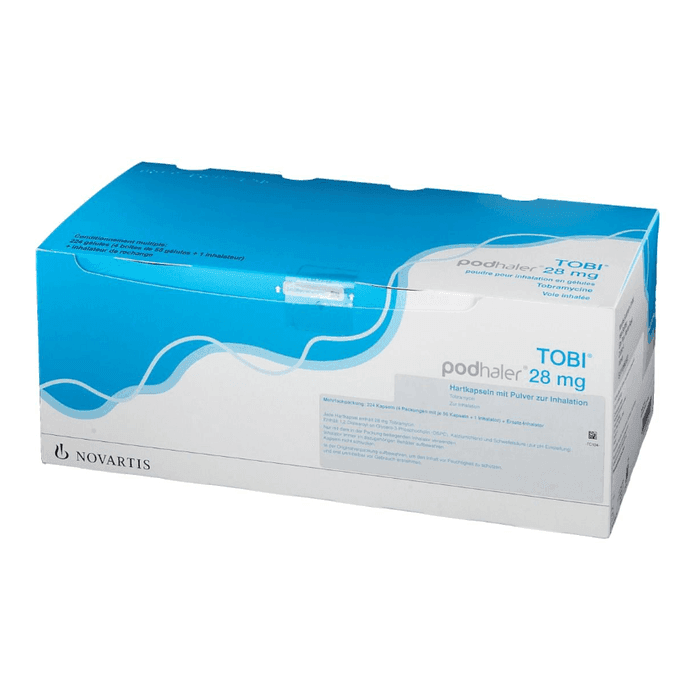
Book a telehealth visit to discuss Pseudomonas Infection
Find a doctor
Speciality
State

Video Visit
$69

Video Visit
$69

Video Visit
$69

Video Visit
$69

Video Visit
$69

Video Visit
$69

Speciality: Dermatology, Family Medicine, Men's Health, Urgent Care, Women's health
Speaks: English, Spanish, French, Arabic, Portuguese
Video Visit
$69

Video Visit
$69

Video Visit
$69

Video Visit
$69

Video Visit
$69

Video Visit
$69
Frequently Asked Questions
What is Pseudomonas aeruginosa, and why does it matter?
Pseudomonas aeruginosa is a type of bacteria that can cause infections. It is a gram-negative rod, which is a lab classification. It matters because it can resist many common antibiotics. Resistance can be worse after hospital stays or device use. The infection site also changes the risk level. Examples include lungs, urinary tract, skin, ears, eyes, and bloodstream. A clinician considers severity, setting, and prior culture results.
What are common Pseudomonas infection symptoms?
Pseudomonas infection symptoms depend on where the infection is. Urinary infections can cause burning, urgency, or lower belly pain. Skin infections may cause redness, warmth, drainage, or wound changes. Ear infections can cause pain, itching, and discharge. Eye infections can cause pain, redness, light sensitivity, and vision changes. Lung infections may cause cough, fever, and shortness of breath. Severe illness can include confusion or low blood pressure.
How is a Pseudomonas infection diagnosed?
Diagnosis often starts with symptoms, an exam, and risk review. Clinicians may order tests based on the suspected infection site. A culture can identify the bacteria from urine, sputum, wound fluid, or blood. Results can take time, so the care plan may change as data returns. Notes may mention “culture and sensitivity,” which checks antibiotic susceptibility. Imaging or other tests may be used for certain sites, like pneumonia.
What does “culture and sensitivity” mean for antibiotic selection?
A culture grows bacteria from a sample so it can be identified. “Sensitivity” or “susceptibility” testing checks which antibiotics inhibit that bacteria. For Pseudomonas, this can matter because resistance is common. Results may list antibiotics as susceptible, intermediate, or resistant. Clinicians combine these results with allergies, kidney function, and infection severity. They also consider whether the finding reflects colonization versus true infection.
When should urgent care be considered for possible Pseudomonas infection?
Urgent evaluation is often considered when symptoms suggest severe infection. Concerning signs can include trouble breathing, chest pain, or worsening oxygen needs. High fever with confusion or fainting can also be concerning. Rapidly spreading skin redness, severe wound pain, or signs of sepsis need prompt attention. Eye pain or vision changes, especially with contact lens use, can be urgent. A clinician can help decide the safest next step based on the full picture.