


Productive Cough
Care Options for Productive Cough
Chest congestion and a wet, mucus cough can feel unsettling. This category page covers Productive Cough, with practical context for patients and caregivers. It focuses on common causes, evaluation basics, and medication types people may see.
Some coughs clear quickly after a cold. Others linger with thicker phlegm, wheezing, or shortness of breath. This page helps compare symptom patterns, safety considerations, and what to document before care.
For telehealth logistics, see Virtual Doctor Visit Guide and Tech Troubles Tips.
Visits happen by video in our HIPAA-compliant app.
Productive Cough: What You’ll Find
A wet cough often comes with mucus, chest congestion, or throat drainage. Causes can include viral respiratory infections, post nasal drip with phlegm, or bronchitis cough. In some settings, it may relate to pneumonia cough symptoms or chronic lung disease.
This collection supports browsing and education, not self-diagnosis. It can help caregivers compare common terms like wet cough, phlegm cough, and mucus cough. It also frames what a cough evaluation and diagnosis may involve.
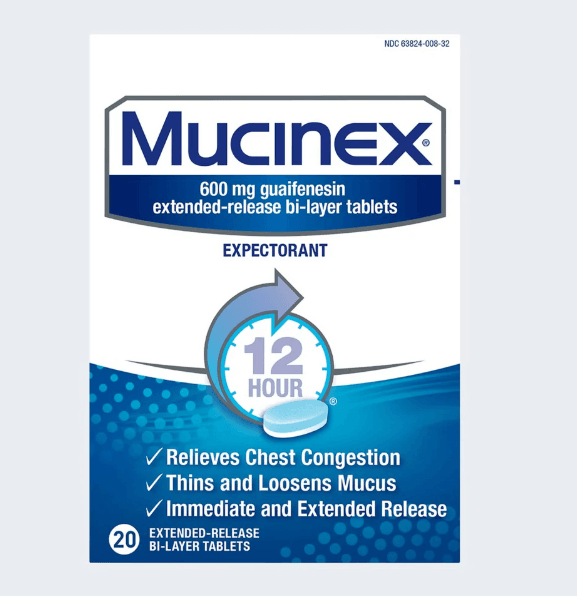
Information on this page may include over-the-counter categories and clinician-directed options. Examples include expectorants (mucus-looseners), mucolytics (mucus-thinners), and combination cold products. It may also cover when a clinician considers inhaled therapies for cough with wheezing and phlegm.
- Common cough with phlegm causes and symptom patterns
- How mucus color, timing, and triggers can be described
- Medication categories, without dosing or brand comparisons
- Red-flag symptoms that need urgent evaluation
- Notes for children, older adults, and chronic lung conditions
How to Choose
When browsing Productive Cough options, start with a clear symptom story. A good description often matters more than a single sign. Timing, triggers, and breathing symptoms can change what comes next.
Match the pattern, not just the color
- Write down when the cough started and how it changed
- Note morning cough with mucus versus nighttime wet cough
- Track fever, sore throat, sinus pressure, or chest tightness
- Describe sputum amount and thickness, not only color
- List exposures, including smoke, vaping, dust, or sick contacts
Compare care paths and questions to ask
- Bring a current medication list, including supplements and inhalers
- Flag asthma, COPD cough management needs, or past pneumonia history
- Ask what symptoms suggest chest congestion versus upper airway drainage
- Ask how to interpret persistent productive cough versus a new flare
- For children, note appetite, hydration, and activity changes
Quick tip: Keep a short symptom log to share during a visit.
Safety and Use Notes
Many wet coughs improve with time and supportive care. Still, some symptoms can signal a higher-risk problem. For a plain-language overview, see the MedlinePlus on cough.
Licensed U.S. clinicians make the clinical decisions during telehealth visits.
Why it matters: Breathing trouble can escalate faster than throat symptoms.
- Shortness of breath with cough, especially at rest or worsening
- Chest pain, fainting, confusion, or blue lips or face
- Coughing up blood, or rust-colored sputum with severe illness
- High fever, severe weakness, or signs of dehydration
- Wheezing plus fast breathing in a child, or poor fluid intake
- Symptoms that steadily worsen instead of slowly improving
Mucus color can be confusing. Green sputum meaning is not always “bacterial,” and yellow mucus cough can occur with viral illness. A clinician may consider the full picture, including oxygen concerns and pneumonia risk. For pneumonia warning signs, review the CDC pneumonia symptoms page.
Medication safety also matters with cough products. Combination formulas can duplicate ingredients across multiple bottles. Some ingredients may not be appropriate for certain ages or health conditions. Pregnancy, heart disease, high blood pressure, and glaucoma can affect options. A pharmacist can help review labels and interactions.
Access and Prescription Requirements
Some cough and congestion products are available over the counter. Others require a prescription because they treat specific diagnoses. The right path depends on the suspected cause, not just symptom intensity.
When appropriate, prescriptions can be sent to partner pharmacies under state rules.
When prescriptions are involved, dispensing is handled by licensed pharmacies. Pharmacies also perform standard prescription verification steps. Some people prefer cash-pay options, often without insurance, for simpler checkout.
- Have an up-to-date list of medicines, inhalers, and allergies
- Know key history, including asthma, COPD, or immune conditions
- Note symptom duration, including chronic wet cough in adults
- Record any wheezing, chest tightness, or reduced activity tolerance
- Keep pharmacy details available for coordination, if needed
For caregivers, bring notes on a child’s fluids, energy, and sleep. For older adults, include recent falls, confusion, or new swelling. These details help clinicians decide whether in-person evaluation is needed.
Related Resources
Some symptoms affect sleep, stress, and family routines. These Medispress reads can help with planning and expectations across care types. For household coordination, see Family Healthcare Easier and Why Telehealth Works.
If a lingering Productive Cough disrupts rest, review Telehealth For Insomnia. If worry increases while symptoms persist, see Recognizing Signs Of Anxiety Disorders and Nerves Or Social Anxiety Disorder. For therapy visit readiness, read Best Online Therapy Dos And Donts.
- Telehealth preparation and troubleshooting guidance
- Ways to document symptoms clearly for clinical review
- Support for sleep disruption and health-related anxiety
- General expectations for virtual care conversations
This content is for informational purposes only and is not a substitute for professional medical advice.

Find suitable medication for Productive Cough
Book a telehealth visit to discuss Productive Cough
Find a doctor
Speciality
State

Video Visit
$69

Video Visit
$69

Video Visit
$69

Video Visit
$69

Video Visit
$69

Video Visit
$69

Speciality: Dermatology, Family Medicine, Men's Health, Urgent Care, Women's health
Speaks: English, Spanish, French, Arabic, Portuguese
Video Visit
$69

Video Visit
$69

Video Visit
$69

Video Visit
$69

Video Visit
$69

Video Visit
$69
Frequently Asked Questions
What does it mean when a cough becomes "productive"?
A cough is called productive when mucus (phlegm) comes up. People may describe it as a wet cough or a mucus cough. It can happen with common colds, sinus drainage, or bronchitis. It can also occur with pneumonia or chronic lung conditions. The amount, thickness, and timing of mucus can help a clinician assess risk. Color alone usually does not identify the cause.
What information should I gather before a telehealth visit for a wet cough?
Having a clear timeline helps the visit go smoothly. Note when symptoms started and whether they improved or worsened. Track fever, shortness of breath, wheezing, and chest pain. Write down medicines already taken, including combination cold products. Record medical history like asthma, COPD, or recent pneumonia. If using Medispress, keep a preferred pharmacy name and contact details available.
What sputum colors are concerning?
Mucus can look clear, white, yellow, or green with many illnesses. Color changes can reflect inflammation and not a specific germ. More concerning features include coughing up blood, rust-colored mucus with severe symptoms, or foul-smelling sputum. Seek prompt medical evaluation for breathing trouble, chest pain, confusion, or dehydration. A clinician may consider other signs, vital concerns, and exam findings to guide next steps.
Can children be evaluated for a mucus cough online?
Some children can be assessed through a virtual visit, depending on age and symptoms. Caregivers can share breathing rate, activity level, and fluid intake. They can also describe wheezing, retractions, or persistent fever patterns. Clinicians may recommend in-person care when breathing issues are suspected. They may also prefer in-person assessment for very young children or rapidly worsening symptoms. The goal is safe triage and appropriate evaluation.
Do I need a prescription for cough medicines?
Many cough and congestion products are available over the counter. Other treatments require a prescription because they target specific conditions. A clinician decides when prescription options are appropriate. When prescriptions are used, pharmacies verify and dispense them under licensing rules. Some people use cash-pay checkout, often without insurance, depending on the option. Always read the Drug Facts label to avoid duplicate ingredients across products.