


Primary Hyperaldosteronism
Care Options for Primary Hyperaldosteronism
Primary Hyperaldosteronism is a hormone-related cause of high blood pressure. It happens when the adrenal glands make too much aldosterone. Aldosterone helps control salt and water balance in the body. Extra aldosterone can raise blood pressure and lower potassium. Clinicians may also call it primary aldosteronism or Conn syndrome. This browse page pulls together care information and related options. It also helps caregivers track next steps and paperwork needs. Use it to understand common terms before a visit. Use it to compare what different services require to proceed.
Primary Hyperaldosteronism What You’ll Find
This collection focuses on practical information for endocrine hypertension (hormone-driven hypertension). It highlights common hyperaldosteronism symptoms, typical hyperaldosteronism causes, and how clinicians confirm a diagnosis. Many people start with a resistant hypertension evaluation, especially when standard medicines do not help. Some cases relate to an adrenal adenoma (a small, usually benign adrenal growth). Others relate to bilateral adrenal hyperplasia (enlargement of both adrenal glands).
Medispress offers telehealth video visits with licensed U.S. clinicians.
When people browse this page, they often want clear definitions and care pathways. The goal is to reduce confusion around labs, imaging, and follow-up. This can help patients and caregivers prepare questions and organize records. It can also clarify how prescription coordination typically works.
- Plain-language overview of primary aldosteronism and Conn syndrome terms
- Common clinical clues like hypokalemia (low potassium) and hypertension
- Typical workup terms like aldosterone renin ratio and imaging references
- High-level overview of primary aldosteronism treatment options and care teams
- Administrative notes for prescriptions, refills, and verification requirements
How to Choose
Comparing options works best when the basics feel clear. Primary Hyperaldosteronism care often involves both blood pressure control and endocrine evaluation. Some people begin in primary care, then move to endocrinology. Others start after an emergency visit or a cardiology referral.
Clinical Clues To Note
- Whether blood pressure remains high on several medications
- Any history of low potassium, muscle weakness, or heart palpitations
- Family history of early hypertension or stroke
- Current medication list, including diuretics and supplements
- Pregnancy or breastfeeding status, if relevant to medication choices
- Any kidney disease history that may affect monitoring plans
- Prior imaging notes, including a CT scan of adrenal glands
Quick tip: Keep a single list of meds, labs, and blood pressure readings.
Questions To Bring To A Visit
- What “primary vs secondary aldosteronism” means in this context
- Whether primary aldosteronism screening is appropriate given the history
- How the aldosterone renin ratio gets interpreted with current medications
- When imaging for primary aldosteronism is useful, and what it can miss
- When adrenal vein sampling (a vein-based localization test) is considered
- How follow-up is tracked after medication changes or surgery
Safety and Use Notes
Hyperaldosteronism can affect the heart, kidneys, and blood vessels over time. Clinicians often watch for complications of hyperaldosteronism, especially with long-standing hypertension. Low potassium can also cause symptoms that feel sudden and unsettling. That is why clinicians may monitor electrolytes and kidney function during care. For guideline context, see this neutral reference from the Endocrine Society primary aldosteronism guideline overview.
The app uses HIPAA-aligned safeguards to protect visit information.
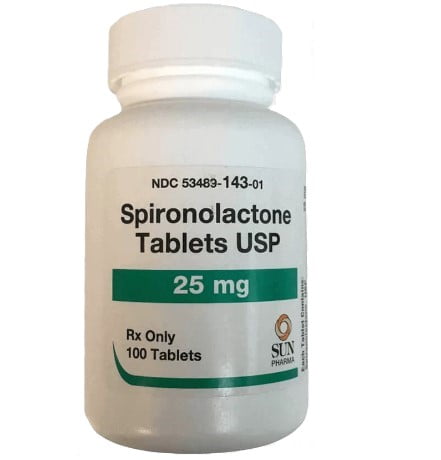
Primary Hyperaldosteronism treatment may include mineralocorticoid receptor antagonists (aldosterone-blocking medicines). Common examples include spironolactone therapy and eplerenone therapy. For some people with one-sided disease, clinicians may discuss adrenalectomy for primary aldosteronism. A care plan depends on the full clinical picture and test interpretation. Medication changes and monitoring should follow a clinician’s direction.
- Share a complete medication list to reduce interaction risks
- Ask how monitoring will be handled after medication adjustments
- Clarify how symptoms should be reported between follow-ups
- Confirm whether imaging results change next-step decisions
- Discuss side effects in advance, including hormone-related effects
Why it matters: Clear records can prevent delays when prescriptions need verification.
Access and Prescription Requirements
Primary Hyperaldosteronism care often includes prescription medications. Many of these options require a valid prescription and identity checks. Pharmacies may also require prescription verification before dispensing. These steps help support safe, regulated access. Some people use cash-pay options, sometimes without insurance, when coverage is limited.
When appropriate, clinicians may route prescriptions through partner pharmacies, per state rules.
When browsing medication options, note whether an item is prescription-only. Also note whether refills require a follow-up visit or updated labs. Medispress clinicians make clinical decisions during telehealth visits. If a prescription is appropriate, the team may help coordinate next steps. For an overview of common process steps, see Prescriptions Through Telehealth. For safety checks, this page on Telehealth Scam Safety explains common red flags. For broader guidance, the FDA also shares neutral tips at this FDA BeSafeRx online pharmacy resource.
Without insurance, paperwork may feel simpler for some cash-pay transactions. Still, prescription requirements remain the same across payment types.
Related Resources
Telehealth works best when expectations feel predictable. Medispress publishes practical reading that helps with planning and follow-through. Start with Telehealth Online Basics for visit-fit questions. Use Virtual Doctor Visit Guide to organize records and notes. The Virtual Appointment Checklist can help reduce missed details. For communication help, see Top Telehealth Questions. To browse general visit entry points, review Primary Care. For cost planning basics, Prescription Savings Tips covers safe, non-promotional approaches. For a simple overview of the format, Telemedicine Services Guide explains what happens during a virtual visit.
This content is for informational purposes only and is not a substitute for professional medical advice.

Find suitable medication for Primary Hyperaldosteronism
Book a telehealth visit to discuss Primary Hyperaldosteronism
Find a doctor
Speciality
State

Video Visit
$69

Video Visit
$69

Video Visit
$69

Video Visit
$69

Video Visit
$69

Video Visit
$69

Speciality: Dermatology, Family Medicine, Men's Health, Urgent Care, Women's health
Speaks: English, Spanish, French, Arabic, Portuguese
Video Visit
$69

Video Visit
$69

Video Visit
$69

Video Visit
$69

Video Visit
$69

Video Visit
$69
Frequently Asked Questions
What is Conn syndrome?
Conn syndrome is another name for primary aldosteronism. It refers to excess aldosterone made by the adrenal glands. Aldosterone affects sodium, fluid balance, and potassium levels. Too much aldosterone can contribute to hypertension and low potassium. Clinicians may use either term in notes and referrals. This category page uses both names to reduce confusion. A clinician can confirm which diagnosis fits the overall picture.
What does an aldosterone renin ratio measure?
The aldosterone renin ratio compares two blood measurements: aldosterone and renin. Clinicians use it as part of primary aldosteronism screening. The ratio can suggest whether aldosterone is inappropriately high for the renin level. Several medications can affect results and interpretation. Clinicians may adjust timing or interpret results with those factors in mind. A result alone rarely answers every question without clinical context.
Why do clinicians mention hypokalemia and hypertension together?
Hypokalemia means low potassium, and hypertension means high blood pressure. In primary aldosteronism, extra aldosterone can increase potassium loss. That combination can be a clue for endocrine hypertension. Not everyone has low potassium, even with the condition. Clinicians also look at severity, medication response, and family history. Keeping past lab results and medication lists organized can help a clinician connect patterns.
What are common next steps after primary aldosteronism is suspected?
Clinicians often confirm the diagnosis with additional labs and context. They may review medications that influence renin and aldosterone. Some people also undergo imaging for primary aldosteronism, such as adrenal CT. In certain cases, adrenal vein sampling helps determine one-sided versus bilateral disease. Those decisions depend on symptoms, risks, and treatment planning. A clinician can explain what each step is meant to clarify.