


Postherpetic Neuralgia
Care Options for Postherpetic Neuralgia
Lingering nerve pain after shingles can be exhausting and disruptive.
This category page covers Postherpetic Neuralgia and common care pathways. It also points to medications, patches, and supportive resources today. Content focuses on practical comparisons, not personal medical advice here.
PHN is neuropathic pain (nerve pain) that follows shingles. It may continue after the rash has healed fully. Symptoms can include burning, stabbing pain, and touch sensitivity too. Causes relate to nerve irritation from the zoster (shingles) virus. Many people want clear options for daily coping and planning. Clinicians usually confirm the diagnosis using history and an exam. This page helps compare resources that may support treatment discussions.
Why it matters: PHN can affect sleep, mood, and simple daily tasks quickly.
Postherpetic Neuralgia: What You’ll Find
This browse page focuses on shingles nerve pain after rash healing. Listings may include prescription options used for neuropathic pain. Other listings may cover topical products placed on the skin. Each item usually notes the form and key label cautions. That helps patients and caregivers compare basics before a visit.
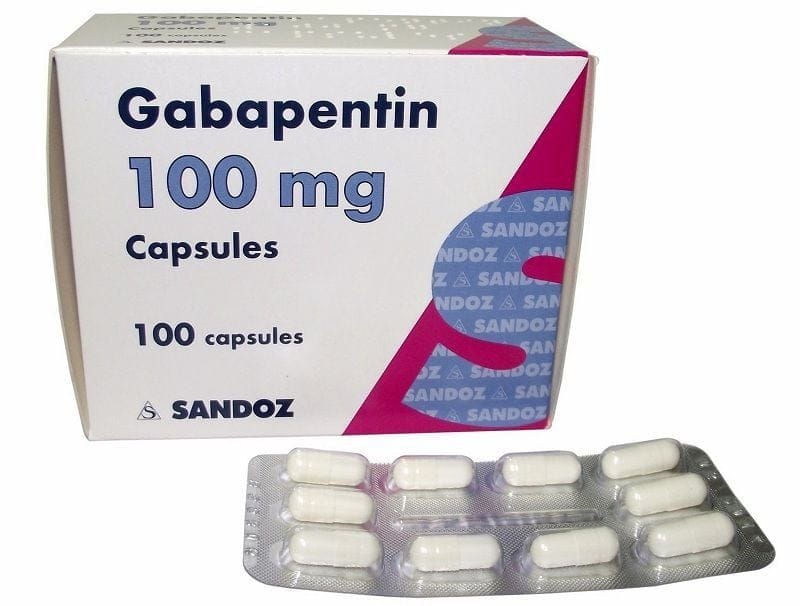
Many people compare oral medicines like gabapentin and pregabalin. Others look at topical choices like a lidocaine patch or capsaicin patch. Some ask about procedures like nerve blocks, done by trained clinicians. Non-drug therapies can include pacing, gentle movement, and stress support. The page also explains common terms like zoster neuralgia.
| Option type | Examples often discussed | What to compare |
|---|---|---|
| Oral medicines | Neuropathic pain agents | Common side effects, interactions, and monitoring needs |
| Topical products | Anesthetic or counterirritant patches | Skin tolerance, application practicalities, and label warnings |
| Procedures | Injections for nerve pain | Setting, follow-up needs, and expected documentation |
| Supportive care | Sleep and activity strategies | Realistic goals and how progress gets tracked |
Medispress offers video visits with licensed U.S. clinicians in a HIPAA-compliant app.
What is typically included on this page:
- Plain-language summaries of symptoms, causes, and common triggers
- Notes on how clinicians approach PHN evaluation and diagnosis
- Medication and patch categories, organized for easy comparison
- High-level safety topics to review with a clinician
- Administrative notes on prescriptions, verification, and pharmacy coordination
- Practical coping topics for daily routines and caregiver planning
How to Choose
Choosing among Postherpetic Neuralgia options starts with describing the pain pattern. That description can help narrow which resources are most relevant. It can also make clinical conversations more efficient.
Clarify the pain story
PHN can feel different from person to person. Some feel constant burning, while others get sharp bursts. Touch sensitivity can also matter when clothing brushes the skin.
- When the pain started compared with the shingles rash timeline
- Where the pain sits and whether it travels along a band
- How pain changes with sleep, stress, and normal movement
- Whether light touch, showers, or clothing trigger discomfort
- Any numbness, tingling, or new weakness in the same area
- Past treatments tried and what side effects occurred
Compare options with daily life in mind
Practical fit matters, especially for older adults or busy caregivers. The best match is often the one that can be used consistently. It also needs to fit alongside other health conditions.
- Oral versus topical options and how easy they are to use
- Possible daytime drowsiness and fall risk from some medicines
- Skin sensitivity issues that may limit certain patches
- Other medicines that raise interaction concerns
- Kidney or liver issues that may affect medication choices
- Work, driving, and caregiving duties that affect tolerance
A short question list can keep a visit focused. It can also reduce missed details when pain is distracting. These examples stay high-level and safety-first.
- Which side effects should prompt a same-day clinical check-in?
- What interactions matter most with the current medication list?
- How will progress be tracked over the next few weeks?
- Are there non-drug supports that can pair with medical treatment?
Safety and Use Notes
Many PHN medicines can cause dizziness or sleepiness. Topical patches can also irritate sensitive skin. People with multiple conditions may need extra review.
Safety questions for Postherpetic Neuralgia treatment often involve other medicines and daily activities. The discussion often includes alcohol use and driving requirements. It may also include fall risk for older adults.
- Allergy history and past reactions to similar medicines
- Kidney or liver disease that affects medication clearance
- Sleep aids, opioids, or anxiety medicines that compound sedation
- Skin breakdown, rashes, or infections where a patch would sit
- Mood changes, including depression or unusual agitation
- Pregnancy or breastfeeding status, when relevant to care planning
Prevention questions often come up after shingles. Vaccination may lower the risk of shingles and complications. For shingles prevention basics, see the CDC shingles information.
Some symptoms need prompt medical evaluation. Examples include a new shingles rash near the eye. Sudden weakness, confusion, or trouble breathing also matter. Severe medication reactions, like facial swelling, can be urgent. For a plain-language overview, review the NINDS nerve pain after shingles page.
Quick tip: Keep an updated medication list in the app before visits.
Clinicians make clinical decisions based on symptoms, history, and exam details.
Access and Prescription Requirements
Some PHN options are prescription-only, while others are over-the-counter. Prescription items require a valid order from a licensed clinician. Pharmacies also verify key details before dispensing.
For Postherpetic Neuralgia medications, requirements can vary by product and state rules. Some prescriptions need identity checks or added documentation. Refills may also depend on clinical follow-up and safety monitoring.
- A current medication and allergy list for interaction screening
- Basic medical history, including kidney or liver conditions
- Clear pharmacy information when a prescription is needed
- Confirmation of address and contact details for pharmacy records
- An understanding that some options cannot be dispensed everywhere
When appropriate, prescriptions may be coordinated through partner pharmacies under state regulations.
Cash-pay access is often available, including without insurance. Coverage questions can still be discussed, when relevant to a plan. The page aims to make access steps feel predictable and clear.
Related Resources
Postherpetic Neuralgia often overlaps with broader neuropathic pain topics. Some people also want shingles prevention and recovery information. Others focus on coping with sleep disruption and stress.
Browse nearby collections on pain support and skin health on Medispress. Compare formats like oral medicines, topical patches, and procedure-based options. Keep notes on what has been tried and what changed. That record can help clinicians interpret symptom patterns over time.
This content is for informational purposes only and is not a substitute for professional medical advice.

Find suitable medication for Postherpetic Neuralgia

Book a telehealth visit to discuss Postherpetic Neuralgia
Find a doctor
Speciality
State

Video Visit
$69

Video Visit
$69

Video Visit
$69

Video Visit
$69

Video Visit
$69

Video Visit
$69

Speciality: Dermatology, Family Medicine, Men's Health, Urgent Care, Women's health
Speaks: English, Spanish, French, Arabic, Portuguese
Video Visit
$69

Video Visit
$69

Video Visit
$69

Video Visit
$69

Video Visit
$69

Video Visit
$69
Frequently Asked Questions
What is included on this Postherpetic Neuralgia category page?
This page groups common resources tied to shingles-related nerve pain. It may include prescription medication categories and topical patch options. It also covers plain-language explanations of symptoms and causes. Safety topics focus on interactions, side effects, and practical use limits. Access notes explain when a prescription is required. The goal is easier comparison before scheduling a telehealth visit.
How are prescriptions handled for nerve pain after shingles?
Some treatments require a prescription from a licensed clinician. If a medication is clinically appropriate, a provider can send a prescription. Pharmacies typically verify the prescription and required patient details. Some medicines have added restrictions under state and federal rules. Refill timing and follow-up needs can vary by product. This category page summarizes the administrative steps without giving treatment directions.
What information helps a clinician evaluate shingles-related nerve pain?
Clinicians usually start with the timeline of the shingles rash. They also review where pain occurs and what triggers it. Notes about burning, stabbing, or touch sensitivity can be helpful. Past treatments tried and side effects matter too. A current medication list supports interaction screening. When scheduling a visit, having rash photos and key dates available can save time.
Are there non-drug approaches listed for PHN pain relief options?
Yes, supportive approaches are often part of PHN management discussions. This page may reference pacing, sleep routines, and gentle activity strategies. It may also mention stress support and mental health check-ins. These items are not a substitute for medical evaluation. They are listed to help people compare options and prepare questions. Clinicians can advise what fits specific symptoms and medical history.
When should someone seek urgent care for shingles pain complications?
Urgent evaluation can be appropriate for certain warning signs. Examples include a shingles rash near the eye or vision changes. New weakness, confusion, chest pain, or trouble breathing also matter. Severe allergic reactions, like facial swelling or widespread hives, can be emergencies. High fever or a rapidly spreading rash may need prompt assessment. When in doubt, contacting urgent care or emergency services is reasonable.