


Pneumonia
Care Options for Pneumonia
Pneumonia is a lung infection that ranges from mild to serious. This category page helps patients and caregivers compare common medication pages, prevention tools, and practical care resources. It also outlines what clinicians often review during an evaluation. Use it to get organized before a visit or follow-up.
Medispress offers video visits with licensed U.S. clinicians in a HIPAA-secure app.
Pneumonia What You’ll Find
This collection brings together condition-aligned medication pages and supporting resources. It can help clarify common terms, typical care pathways, and prevention options. The goal is better preparation for clinical conversations, not self-treatment.
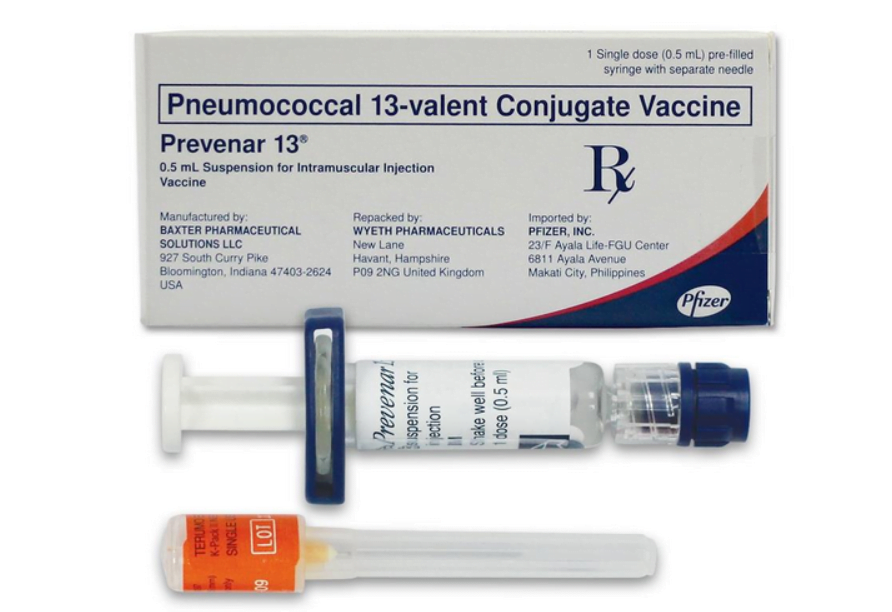
Medication pages may include what a drug is for, key safety warnings, and common interaction concerns. Some listings focus on antibiotics used for certain bacterial infections, such as Doxycycline or Azithromycin. Others cover prevention tools, including pneumococcal vaccines like Prevenar, when appropriate.
Each page can also help set expectations for what may be discussed in a visit. That includes recent symptom patterns, risk factors, and any past lung conditions. It may also include what follow-up and monitoring often involves.
- Medication overviews and key safety context
- Prevention topics, including vaccines for certain bacteria
- Common terms that appear in clinical notes
- Administrative details around prescriptions and documentation
- Related options when symptoms overlap with other conditions
How to Choose
Start by matching the resource to the main question at hand. Some people begin with pneumonia symptoms to compare what is common versus concerning. Others focus on medication pages to understand why options differ. This page supports both approaches.
Quick tip: Keep a current medication list handy while browsing and taking notes.
What to compare across resources
- Likely setting and exposure history, including recent sick contacts
- Time course of fever, cough, fatigue, and shortness of breath
- Risk factors, such as older age or chronic heart and lung disease
- Recent hospitalization, which can change likely causes
- Aspiration risk, including swallowing problems or vomiting episodes
- Immune system concerns, including cancer therapy or transplant history
- Medication cautions, including allergies and interaction risks
Questions that help a clinician evaluate
- What symptoms started first, and how fast they worsened
- Whether chest pain occurs with breathing or coughing
- Whether confusion, dehydration, or fainting has occurred
- Which home readings are available, like temperature or pulse oximetry
- Which medicines already were tried, including cough suppressants
If antibiotic information is relevant, compare different medication pages carefully. For example, Erythrocin may have different interaction considerations than other options. A clinician should confirm what fits the situation and medical history.
Safety and Use Notes
People often ask, is pneumonia contagious. The answer depends on the underlying cause and setting. Viral infections can spread through close contact, while some bacterial causes spread less easily. A clinician may also consider non-infectious triggers, like aspiration, in certain cases.
Video visits use our HIPAA-compliant app to support private clinical discussions.
When urgent evaluation matters
Some symptom patterns need prompt in-person assessment. This is especially true when breathing is strained or mental status changes. Severe illness can develop quickly in older adults and people with chronic conditions.
Why it matters: Fast evaluation can reduce the risk of serious complications.
- Severe shortness of breath, bluish lips, or trouble speaking full sentences
- New confusion, extreme sleepiness, or difficulty staying awake
- Persistent chest pain, especially with breathing
- Signs of dehydration, including very low urine output
- Symptoms that worsen after brief improvement
Medication safety basics
Medication choices depend on suspected cause, severity, and comorbidities. Antibiotics work for certain bacterial infections, but they do not treat viruses. Inhalers may play a role when chronic airway disease complicates breathing, which is different from treating an infection itself. For context on respiratory maintenance medicines, see Advair Diskus.
For a plain-language overview, see CDC Condition Overview.
Access and Prescription Requirements
Prescription access depends on a clinician’s assessment and local rules. During a visit, clinicians may review history, symptom timing, and safety concerns. They may discuss pneumonia treatment options in broad terms, then decide what is clinically appropriate.
When clinically appropriate, clinicians can coordinate prescriptions through partner pharmacies, following state regulations.
This collection also supports practical planning for care access. That includes cash-pay options, often without insurance, when available for a given service. It also includes reminders about what pharmacies and clinicians typically require to dispense and document medications.
- Some medications require a valid prescription and identity verification
- Pharmacies may check for interactions and duplication before dispensing
- Clinical documentation may be needed for refills or follow-up questions
- Not every condition is appropriate for telehealth-only evaluation
- Urgent symptoms may require in-person care or emergency services
For another medication listing in this collection, see Citol. Each medication page may list common precautions to discuss with a clinician.
Related Resources
Use this collection to revisit Pneumonia information between visits and referrals. It can help keep medication names and prevention topics straight. It can also help caregivers track questions and timeline details.
If a formulation detail matters, review Doxycyclin FC for the specific listing information shown on Medispress. For additional background reading from an independent source, see MedlinePlus Overview.
This content is for informational purposes only and is not a substitute for professional medical advice.

Find suitable medication for Pneumonia
Book a telehealth visit to discuss Pneumonia
Find a doctor
Speciality
State

Video Visit
$69

Video Visit
$69

Video Visit
$69

Video Visit
$69

Video Visit
$69

Video Visit
$69

Speciality: Dermatology, Family Medicine, Men's Health, Urgent Care, Women's health
Speaks: English, Spanish, French, Arabic, Portuguese
Video Visit
$69

Video Visit
$69

Video Visit
$69

Video Visit
$69

Video Visit
$69

Video Visit
$69
Frequently Asked Questions
What can I find on this category page?
This browse page collects medication and prevention resources that relate to this condition. Listings may include antibiotic overviews, vaccine pages, and safety context that helps with informed discussions. Many pages summarize typical cautions, interaction checks, and what clinicians often review before prescribing. Use the links to compare options and terminology, then bring questions to a licensed clinician. The content supports education and navigation, not self-diagnosis or self-treatment.
Do antibiotics always treat pneumonia?
Antibiotics can treat bacterial causes, but they do not treat viruses. Some lung infections come from viral illness, aspiration, or other factors. Clinicians usually choose therapy based on likely cause, severity, and patient history. They also consider allergies, interaction risks, and local resistance patterns. If a clinician suspects a viral cause, supportive care and monitoring may be discussed instead. Only a clinician can decide whether an antibiotic is appropriate.
How does telehealth work for respiratory infections on Medispress?
Medispress connects patients to licensed U.S. clinicians through video visits in a secure, HIPAA-compliant app. The clinician reviews symptoms, history, and safety concerns to decide next steps. Some cases may still need in-person evaluation, especially with severe breathing symptoms. When clinically appropriate, the clinician may coordinate a prescription through partner pharmacies, based on state regulations. A prescription is never guaranteed, and the clinician makes all clinical decisions.
What information should I gather before a visit?
A short timeline helps a clinician assess severity and likely causes. Note when fever, cough, fatigue, or breathing changes began, and how they progressed. Keep a current medication list, including inhalers, over-the-counter products, and supplements. Record relevant history like asthma, COPD, heart disease, or immune system concerns. If available, include recent temperature readings and any pulse oximeter numbers. Also list medication allergies and past side effects.
When is pneumonia considered an emergency?
Emergency care may be needed when breathing is severely difficult or mental status changes. Concerning signs include bluish lips, inability to speak full sentences, fainting, or new confusion. Persistent chest pain, severe dehydration, or rapid worsening also merit urgent evaluation. Risk can be higher in older adults, very young children, and people with chronic medical conditions. If symptoms seem severe or rapidly worsening, emergency services can provide immediate assessment and monitoring.