


Pneumococcal Infection
Care Options for Pneumococcal Infection
Pneumococcal Infection can range from mild ear infections to severe illness.
This collection brings together practical resources for patients and caregivers.
These infections come from Streptococcus pneumoniae, a common respiratory bacterium.
It can cause pneumonia, sinus infections, ear infections, or bloodstream infection.
Some cases become invasive pneumococcal disease (IPD), affecting normally sterile areas.
Use this page to compare prevention information and care-navigation options.
It also explains terms seen on records, vaccine cards, and clinic paperwork.
Pneumococcal Infection What You’ll Find
This category page focuses on clear explanations and practical next-step planning.
It helps make sense of common terms like pneumococcal pneumonia, meningitis, and bacteremia.
It also covers how pneumococcal transmission works, including colonization (carrying bacteria without symptoms).
Visits happen by video with licensed U.S. clinicians in our HIPAA-compliant app.
Many people land here after a diagnosis code, a discharge summary, or a vaccine reminder.
Others are comparing prevention options for children, older adults, or higher-risk conditions.
Browse for plain-language definitions, vaccine type basics, and administrative care details.
- Terminology help for pneumococcal disease and related complications
- Prevention basics, including vaccine types and common questions
- High-level care pathways, including when in-person evaluation may matter
- Notes on documentation, records, and prescription requirements
How to Choose
Different resources solve different problems, even with similar names.
Use the checkpoints below to match what is needed with what is listed.
Match the resource to the situation
- Prevention: look for age and risk-group context for vaccine discussions
- Illness understanding: choose pages that define pneumonia, meningitis, and bacteremia clearly
- Care navigation: prefer content that explains settings, like urgent care versus ER
- Caregiving: look for guidance on tracking symptoms, hydration, and follow-up planning
- Documentation: confirm what records are commonly requested for visits or pharmacy processing
Questions to bring to a clinician visit
It helps to come prepared with clear, non-urgent questions for a visit.
These questions support shared decisions without guessing at a plan.
- Which risk factors matter most, like age, smoking, or immune conditions
- Whether symptoms fit a mild course versus possible invasive disease
- How vaccination history affects prevention planning and future reminders
- What warning signs should prompt faster in-person evaluation
- How antibiotic resistance can influence treatment choices and follow-up
Safety and Use Notes
Serious pneumococcal disease can progress quickly in some people.
Common pneumococcal symptoms include fever, chills, chest pain, cough, or confusion.
Ear pain or drainage can occur with otitis media linked to pneumococcus.
When Pneumococcal Infection spreads beyond the lungs, risks can increase.
That may include pneumococcal meningitis or pneumococcal bacteremia.
Antibiotics are often used, but resistance patterns can vary by region.
For background definitions, see CDC pneumococcal disease information.
Why it matters: Clear terminology helps reduce delays and missed follow-up steps.
Clinicians decide what care is appropriate, based on the visit details.
Vaccines can reduce risk, but choices depend on age and medical history.
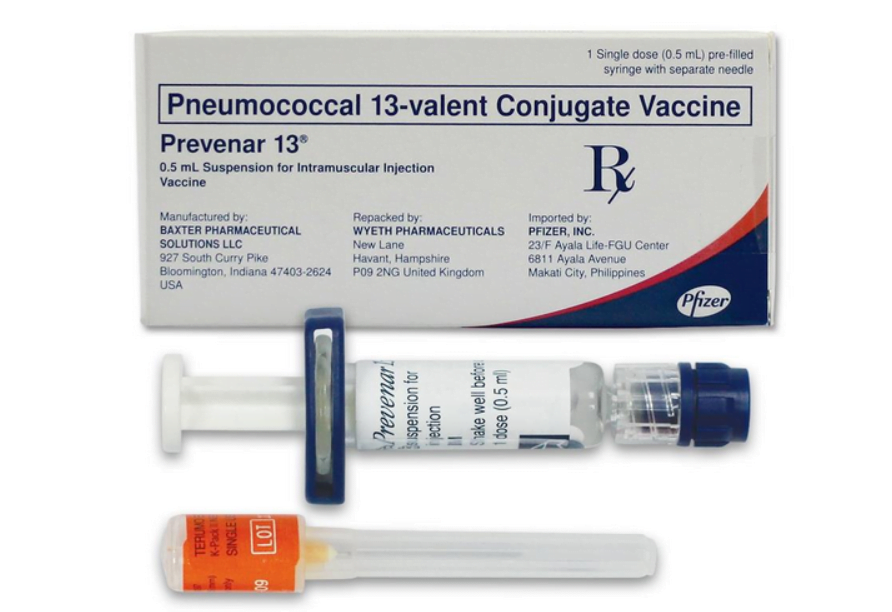
PCV15, PCV20, and PPSV23 refer to different pneumococcal vaccine products.
Some people may need more than one vaccine type over time.
Only a clinician can confirm what is appropriate for a specific situation.
- Seek clarity on whether symptoms suggest pneumonia, meningitis, or ear infection
- Ask how chronic lung disease, diabetes, or immune suppression changes risk
- Confirm where care is best delivered, based on severity and timing
- Keep a current medication and allergy list ready for any evaluation
Access and Prescription Requirements
Some items associated with pneumococcal care require a prescription.
That includes many antibiotics and certain supportive therapies.
Vaccines may be handled through clinics, pharmacies, or public health programs.
Availability can vary, based on state rules and clinical appropriateness.
If needed, prescriptions may be routed to partner pharmacies, following state regulations.
Some options may be available as cash-pay, often without insurance.
Quick tip: Keep vaccine dates and lot stickers in one accessible place.
For telehealth visits, it helps to have key information organized beforehand.
This reduces back-and-forth when records are reviewed during a visit.
- Current medication list, including inhalers and recent antibiotics
- Known allergies and prior reactions to vaccines or medications
- Recent diagnoses and discharge summaries, if available
- Immunization record, including any pneumococcal vaccines received
Related Resources
Respiratory health habits can support prevention planning and recovery discussions.
For practical lung-health reminders and seasonal habits, read Healthy Lung Month 2025 Lung Tips.
For vaccine policy language and schedules, use CDC pneumococcal vaccine recommendations as a reference.
This page will be updated as Medispress adds more Pneumococcal Infection resources.
This content is for informational purposes only and is not a substitute for professional medical advice.

Find suitable medication for Pneumococcal Infection
Book a telehealth visit to discuss Pneumococcal Infection
Find a doctor
Speciality
State

Video Visit
$69

Video Visit
$69

Video Visit
$69

Video Visit
$69

Video Visit
$69

Video Visit
$69

Speciality: Dermatology, Family Medicine, Men's Health, Urgent Care, Women's health
Speaks: English, Spanish, French, Arabic, Portuguese
Video Visit
$69

Video Visit
$69

Video Visit
$69

Video Visit
$69

Video Visit
$69

Video Visit
$69
Frequently Asked Questions
What is included on this category page?
This category page collects definitions, prevention basics, and care-navigation notes related to pneumococcal illness. It may include educational content, links to related respiratory topics, and pathways for clinician review when appropriate. The goal is to make common terms easier to understand and easier to discuss. It also highlights administrative details, like what records are helpful for a visit or pharmacy processing.
What is invasive pneumococcal disease (IPD)?
Invasive pneumococcal disease (IPD) means the bacteria have reached parts of the body that are normally sterile. Examples include the bloodstream and the fluid around the brain and spinal cord. IPD can be more serious than infections limited to the ears or sinuses. Clinicians use symptoms, exam findings, and clinical context to judge severity. Public health agencies track IPD because it can lead to complications and outbreaks.
How are PCV15, PCV20, and PPSV23 different?
PCV15 and PCV20 are pneumococcal conjugate vaccines, and PPSV23 is a pneumococcal polysaccharide vaccine. The numbers refer to how many pneumococcal types each vaccine targets. Recommendations vary by age, medical risk factors, and vaccine history. Some people may need one vaccine, while others may need a sequence. A clinician or immunization provider can confirm which option fits a specific record and risk profile.
When might pneumococcal illness need urgent in-person evaluation?
Urgent evaluation may be needed when symptoms suggest severe infection or complications. Examples can include trouble breathing, chest pain, confusion, stiff neck, severe headache, persistent vomiting, or signs of dehydration. In older adults, sudden weakness or altered mental status can be important. Infants and immunocompromised people may worsen faster. A licensed clinician can help interpret severity and direct care to an appropriate setting.
How do prescriptions work when using Medispress?
Medispress supports clinician visits by video in a secure, HIPAA-compliant app. Licensed U.S. clinicians make clinical decisions, including whether any prescription is appropriate. When clinically appropriate, prescriptions may be coordinated through partner pharmacies, depending on state regulations. Pharmacies apply standard dispensing checks, including prescription validation and safety review. Some care and pharmacy options may be available as cash-pay, often without insurance.