


Plaque Psoriasis
Care Options and Resources for Plaque Psoriasis
Living with Plaque Psoriasis often means managing flares, discomfort, and uncertainty. This category page brings together practical resources to support browsing and planning. It covers common symptom patterns, likely triggers, and how clinicians describe severity. It also explains how treatment types differ across topicals, light therapy, and systemic options.
Medispress offers video telehealth visits with licensed U.S. clinicians in a secure app. This page is also useful when comparing body areas like scalp plaques, elbows and knees plaques, and nail changes. It can help caregivers organize details before a visit. It can also help patients understand key terms used in a plan.
Plaque Psoriasis What You’ll Find
This collection is built for real-world questions that come up between visits. It highlights what clinicians look for during a psoriasis assessment. It also explains how “mild, moderate, and severe” may be described. Some resources cover scoring tools like PASI (Psoriasis Area and Severity Index).
Several topics here focus on recognition and documentation. That includes plaque psoriasis photos and what features to note. It also includes comparisons like eczema vs plaque psoriasis and psoriasis vs dandruff scalp. These comparisons can reduce confusion before a clinical exam. They cannot replace an in-person skin evaluation when needed.
Why it matters: Clear descriptions and photos can improve documentation and shared decisions.
- Symptom overviews, including itch, scaling, and cracking
- Body-area notes for scalp plaque psoriasis and nail psoriasis
- Background on plaque psoriasis causes and plaque psoriasis triggers
- Plain-language explanations of plaque psoriasis diagnosis terms
- High-level plaque psoriasis treatment options, by category
- Context on flare tracking and plaque psoriasis flare management
How to Choose
Different resources answer different problems, even within Plaque Psoriasis care. Some pages focus on identification and pattern spotting. Others focus on navigating treatment categories and monitoring needs. Use the checklist below to pick what matches the current question.
Match the resource to the body area
Psoriasis can look different on thick skin versus the scalp. Nail involvement can also change daily function and comfort. When browsing, start with the location that is most disruptive. Then compare it to similar conditions that commonly overlap.
- For scalp scaling, compare dandruff look-alikes and hair care limits
- For hands and feet, look for fissures (painful cracks) notes
- For nails, check guidance on separation, pits, and color changes
- For face or folds, look for higher sensitivity and irritation topics
Prepare questions for a clinician
Resources are most helpful when they lead to better questions. Focus on how long symptoms have been present and where they spread. Note any recent infections, stress, or new products that irritate skin. Also list other health conditions that may matter.
Quick tip: Keep a brief timeline of flares, triggers, and treatments tried.
- What is the likely diagnosis, and what are the alternatives?
- How is severity defined, and what would change that rating?
- Which treatment categories fit the location and symptom burden?
- What monitoring or follow-up is typical for each option?
- How should symptoms be documented with photos between visits?
Safety and Use Notes
Safety topics differ by treatment type and by personal health history. Clinicians consider age, pregnancy status, infection risk, and other medicines. Medispress clinicians make all medical decisions for telehealth visits. Do not start, stop, or combine prescription therapies without guidance. That includes topical steroids and systemic medicines.
Many people want to compare topical treatments for plaque psoriasis, phototherapy for plaque psoriasis, and biologics for plaque psoriasis. These categories can have different screening and follow-up needs. Some therapies can affect the immune system, which can raise infection concerns. Others can irritate skin, especially on sensitive areas. For a plain-language overview, see American Academy of Dermatology psoriasis information.
- Topicals may include steroids, vitamin D analogs (skin cell growth regulators), and retinoids
- Coal tar and salicylic acid products can irritate, especially with broken skin
- Phototherapy uses controlled light exposure and requires careful scheduling
- Systemic options may involve lab monitoring and interaction checks
- Pregnancy and breastfeeding can change which categories are considered
- Children may need different formulations and safety limits
Some symptoms can overlap with infection or allergic rash. Rapidly spreading redness, fever, or severe pain needs urgent evaluation. The same goes for eye pain or sudden vision changes. If there is joint swelling or morning stiffness, clinicians may screen for comorbidities. This includes comorbidities psoriatic arthritis risk.
Access and Prescription Requirements
Many Plaque Psoriasis therapies are prescription-only, while others are over-the-counter. Prescription items require a valid clinician order and pharmacy review. Verification steps can include checking identity, medication history, and state-specific rules. When clinically appropriate, clinicians may coordinate prescriptions with partner pharmacies, depending on state regulations.
Access paths can differ by medication category and dispensing rules. Some people use cash-pay options, often without insurance, for simpler checkout. Others use insurance coverage when available, with plan-specific requirements. Coverage decisions are made by insurers, not by this browse page. Always review current medication guides and pharmacy instructions.
- Prescription status: Rx-only versus non-prescription skin care
- Form and site: ointment, cream, solution, foam, or shampoo formats
- Body-area fit: scalp, nails, face, folds, or thick plaques
- Monitoring needs: possible labs and follow-up expectations
- Life stage: plaque psoriasis during pregnancy or plaque psoriasis in children
- Access preference: cash-pay, often without insurance, versus plan billing
Related Resources
When symptoms extend beyond skin, broader context can help. You can browse the Psoriasis Collection for closely related options and explanations. For joint concerns and overlap questions, see Psoriatic Arthritis Treatment. These pages can support shared language for a visit. They can also help with organization between appointments for Plaque Psoriasis.
For a general medical reference, review MedlinePlus psoriasis overview and compare it with what a clinician documents. Use resources to understand terms like “plaque,” “flare,” and “remission.” Keep notes on suspected plaque psoriasis triggers, including stress and skin injury. Bring a simple medication list, including supplements, to any visit.
This content is for informational purposes only and is not a substitute for professional medical advice.

Find suitable medication for Plaque Psoriasis
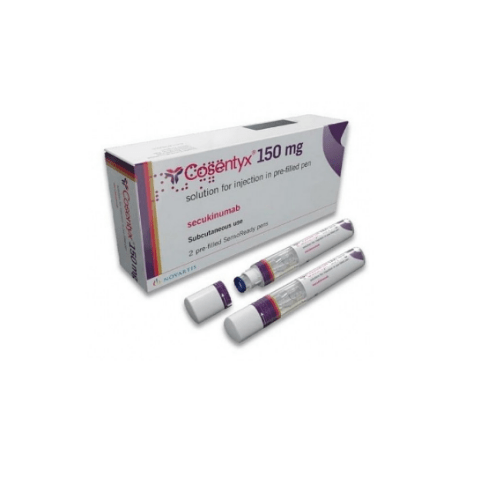
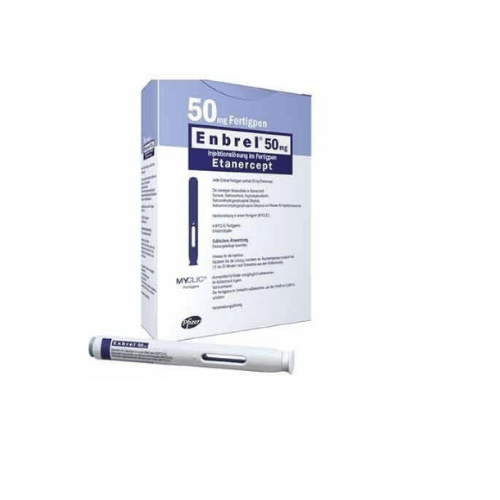
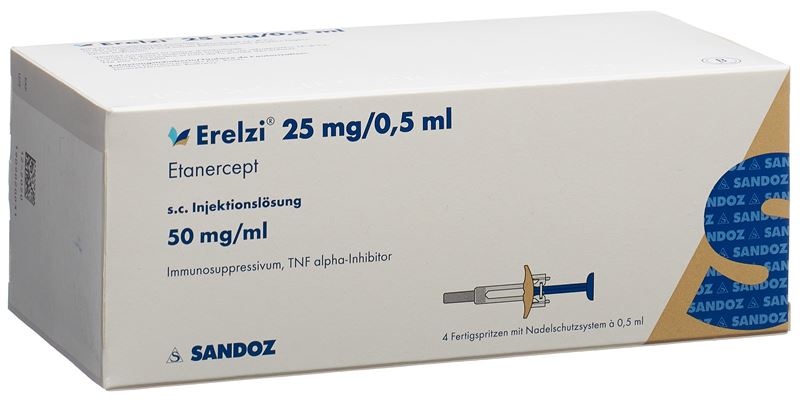

Book a telehealth visit to discuss Plaque Psoriasis
Find a doctor
Speciality
State

Video Visit
$69

Video Visit
$69

Video Visit
$69

Video Visit
$69

Video Visit
$69

Video Visit
$69

Speciality: Dermatology, Family Medicine, Men's Health, Urgent Care, Women's health
Speaks: English, Spanish, French, Arabic, Portuguese
Video Visit
$69

Video Visit
$69

Video Visit
$69

Video Visit
$69

Video Visit
$69

Video Visit
$69
Frequently Asked Questions
What is included on this category page?
This category page gathers practical resources related to plaque psoriasis. It may include condition overviews, comparisons to similar rashes, and notes on common treatment categories. It also covers administrative topics like prescription status and typical verification needs. The goal is to support browsing and preparation, not to replace medical evaluation. If symptoms are changing quickly or feel severe, a clinician should assess them directly.
How can photos help when reviewing skin changes?
Photos can help track changes over time and support clearer descriptions during a visit. Try to capture the same area in similar lighting across days or weeks. Include one close-up and one wider shot that shows location on the body. Avoid editing filters that change color or contrast. Photos cannot confirm a diagnosis on their own, but they can add useful context for a clinician’s assessment.
What details are helpful to note before a telehealth visit?
A short timeline is often the most useful starting point. Note when symptoms began, where plaques appear, and whether itch or pain is present. List possible triggers like stress, illness, new skin products, or skin injury. Record what has been tried, including over-the-counter creams or medicated shampoos. Also note any joint stiffness or swelling, since clinicians may screen for related conditions.
Do all treatments for plaque psoriasis require a prescription?
No, some supportive products are available without a prescription. These may include moisturizers, gentle cleansers, and certain medicated ingredients. Many anti-inflammatory therapies and systemic medicines are prescription-only and require pharmacy review. Requirements vary by medication, state rules, and the pharmacy’s dispensing policies. A clinician can explain which category fits a given situation and what documentation is needed for safe use.
When should skin or joint symptoms be evaluated urgently?
Urgent evaluation is important when symptoms suggest a serious problem beyond typical inflammation. Examples include fever with widespread redness, severe pain, rapidly spreading rash, or signs of infection like pus or warmth. Eye pain or sudden vision changes also need prompt care. New chest pain, shortness of breath, or severe weakness requires emergency services. For new or worsening joint swelling, timely medical review can help protect function.