


Pinworm Infection
Care Options for Pinworm Infection
Pinworm Infection is a common intestinal parasite problem, especially in children. The classic sign is perianal itching at night, which can disrupt sleep. Pinworms spread through microscopic eggs that can move by hands and surfaces. Because eggs are hardy, reinfection can happen even after careful cleanup. This category page focuses on practical details for patients and caregivers. It also covers key terms like enterobiasis (pinworm infestation) and threadworm infection.
Use this collection to browse condition information alongside pharmacy-ready workflows. It helps clarify pinworm symptoms, pinworm transmission, and pinworm prevention basics. It also explains what clinicians often consider during pinworm diagnosis discussions. The goal is to support clear next steps and fewer surprises.
Visits on Medispress happen by video with licensed U.S. clinicians in a HIPAA-compliant app.
Pinworm Infection: What You’ll Find
This browse page brings together the main pieces people look for in one place. That includes plain-language overviews, common red flags, and admin notes. It also helps connect symptoms to the pinworm lifecycle, including egg spread and repeat exposure.
When medication options appear in this collection, they are listed for comparison. Details may include whether a prescription is required, typical forms, and key warnings. Some pages may also note supportive care topics, like pinworm itching relief and pinworm hygiene practices. Content stays focused on education and navigation, not self-treatment instructions.
- Common signs, patterns, and exposure scenarios in homes and schools
- Transmission and reinfection concepts, including pinworm eggs on surfaces
- High-level pinworm treatment options, including prescription pathways when relevant
- Practical pinworm cleaning tips for reducing repeat spread
- Links to related parasite and gastrointestinal condition collections
How to Choose
When browsing Pinworm Infection listings, it helps to focus on fit and safety context. Notes and resources often apply differently for kids and adults. Pinworms in children can show up as sleep disruption and irritability. Pinworms in adults may be overlooked when symptoms feel mild.
Information to gather before comparing options
- Main symptoms and timing, including itching that worsens overnight
- Household setting, close-contact exposure, and recent childcare or school outbreaks
- Any skin irritation from scratching, especially around the anus
- Age and caregiver details when the patient is a minor
- Current medications, allergies, and relevant medical history
- Any pregnancy or breastfeeding considerations to discuss with a clinician
What to compare on condition and medication pages
- Whether the page is educational versus medication-focused
- Whether prescription verification is required for the listed option
- Key label warnings and interaction notes, if provided
- Clarity on reinfection prevention and hygiene steps at home
- Whether the concern could match another parasite category
For broader browsing, compare related collections like Intestinal Worm Infection. When symptoms do not match, nearby categories may help, such as Hookworm Infection or Roundworm Infection. For visit prep, Virtual Doctor Appointment Checklist can help organize details.
Safety and Use Notes
Many cases sound simple, but symptoms can overlap with other issues. A careful review matters when itching is severe or persistent. It also matters when there is belly pain, fever, or unexpected weight loss.
Clinicians decide what care is appropriate after reviewing symptoms and history.
For Pinworm Infection, avoid relying on unproven home remedies for pinworms. Some remedies can irritate skin or delay appropriate evaluation. It is also important to prevent accidental exposure to medications at home. Store medicines away from children and follow labeled handling instructions.
- Severe abdominal pain, vomiting, or signs of dehydration
- Fever, blood in stool, or rapidly worsening symptoms
- Severe skin breakdown, spreading redness, or drainage near the anal area
- Symptoms in a very young child that are hard to assess
- Repeat symptoms that keep returning despite hygiene efforts
Quick tip: Keep fingernails trimmed to reduce egg transfer after scratching.
For a plain-language overview, see CDC’s pinworm guidance. It summarizes spread patterns and prevention basics. It can also help frame questions for a clinician.
Access and Prescription Requirements
Access for Pinworm Infection can involve education, clinician review, and pharmacy coordination. Some options require a prescription under U.S. regulations. When prescriptions are needed, pharmacies typically verify the prescription before dispensing.
If needed, prescriptions may be sent to partner pharmacies, following state dispensing rules.
This platform supports cash-pay access, often without insurance, when appropriate. Telehealth can also reduce delays for busy households and caregivers. Still, clinical decisions depend on the visit and local rules. Not every symptom pattern is a good match for virtual care.
- A brief symptom timeline and any household exposure concerns
- A list of current medications and known allergies
- Basic health history that could affect medication choice
- A caregiver present for pediatric visits, when required
- A preferred pharmacy on file, if a prescription is appropriate
For process details, review Prescriptions Through Telehealth Visits. For general expectations, Virtual Doctor Visit Guide explains common steps and documentation.
Related Resources
Pinworm Infection can sit within a wider set of parasite and GI concerns. When browsing, it may help to compare symptom patterns and exposure risks. Use related collections to understand what is similar and what is different.
Explore broader categories like Parasitic Worm Infection for additional context. If a person’s symptoms seem unusual for pinworms, the Intestinal Worm Infection collection can help with navigation. For telehealth comparisons and logistics, Doctor On Demand Notes provides a practical overview.
This content is for informational purposes only and is not a substitute for professional medical advice.

Find suitable medication for Pinworm Infection
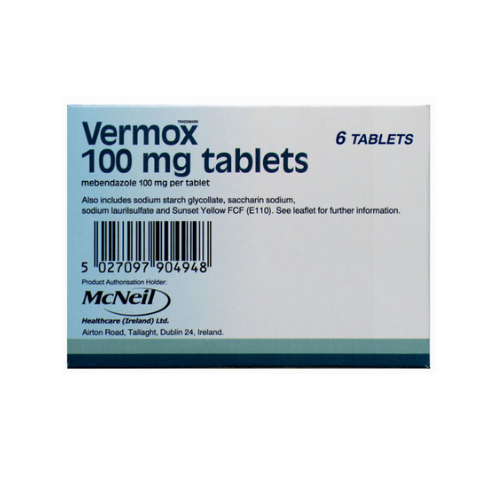
Book a telehealth visit to discuss Pinworm Infection
Find a doctor
Speciality
State

Video Visit
$69

Video Visit
$69

Video Visit
$69

Video Visit
$69

Video Visit
$69

Video Visit
$69

Speciality: Dermatology, Family Medicine, Men's Health, Urgent Care, Women's health
Speaks: English, Spanish, French, Arabic, Portuguese
Video Visit
$69

Video Visit
$69

Video Visit
$69

Video Visit
$69

Video Visit
$69

Video Visit
$69
Frequently Asked Questions
What will I find on this Pinworm Infection category page?
This browse page groups together condition-focused resources that relate to pinworms. It may include educational overviews, prevention and hygiene basics, and administrative notes about prescription requirements. When medication listings are available, they are presented for comparison rather than self-treatment. Some visitors use the page to understand common symptom patterns and reinfection risks. Others use it to learn how telehealth and pharmacy verification typically work.
How do I compare medication-related listings here?
Focus on the type of listing and the details it provides. Some pages explain the condition, while others focus on medication access and requirements. Look for whether a prescription is required and whether there are key label warnings noted. It can also help to note age-related considerations, especially for children. If information feels incomplete, a clinician can clarify what applies to the specific situation.
Are pinworms contagious in households?
Pinworms can spread between close contacts through microscopic eggs. That is why families often have questions about cleaning, laundry, and shared surfaces. A clinician can help interpret how exposure risk applies in a household setting. They may also discuss what to watch for in other family members. For many people, the biggest challenge is preventing reinfection rather than severe illness.
When should I seek urgent care for suspected pinworms?
Urgent care may be appropriate when symptoms suggest something more serious. Examples include severe abdominal pain, repeated vomiting, dehydration, fever, or blood in stool. Rapidly worsening weakness or confusion also needs prompt evaluation. Severe skin infection signs near the anal area, like spreading redness or drainage, deserve quick attention too. If there is uncertainty, a clinician can help decide the right level of care.
Can I use Medispress without insurance for pinworm concerns?
Medispress can support cash-pay access, which may be helpful for people without insurance. Visits are handled by licensed U.S. clinicians through a secure video platform. Clinicians make the medical decisions based on the visit. When a prescription is clinically appropriate, it may be coordinated with partner pharmacies. Availability and pharmacy processes can vary by state regulations.