


Philadelphia Chromosome Positive Acute Lymphoblastic Leukemia
Care Options for Philadelphia Chromosome Positive Acute Lymphoblastic Leukemia
This collection focuses on Ph+ ALL, a subtype of acute lymphoblastic leukemia. It is linked to the Philadelphia chromosome and the BCR-ABL1 fusion (a gene change). Patients and caregivers often need clear, organized medication information. This browse page gathers condition-aligned resources and medication overviews in one place.
Use the listings to compare drug classes, names, and safety themes. Many plans include targeted therapies alongside other cancer treatments. The Philadelphia chromosome is a gene swap seen in some leukemia cells.
Why it matters: That gene change can affect which targeted medicines clinicians consider.
Medispress visits connect patients with U.S.-licensed clinicians who make clinical decisions.
Ph+ ALL: What You’ll Find
This directory centers on resources often discussed in Philadelphia chromosome–positive ALL. Medication pages explain what a drug is and how it works broadly. They also summarize common precautions, interactions, and paperwork requirements. Details can vary by state rules and by the dispensing pharmacy.
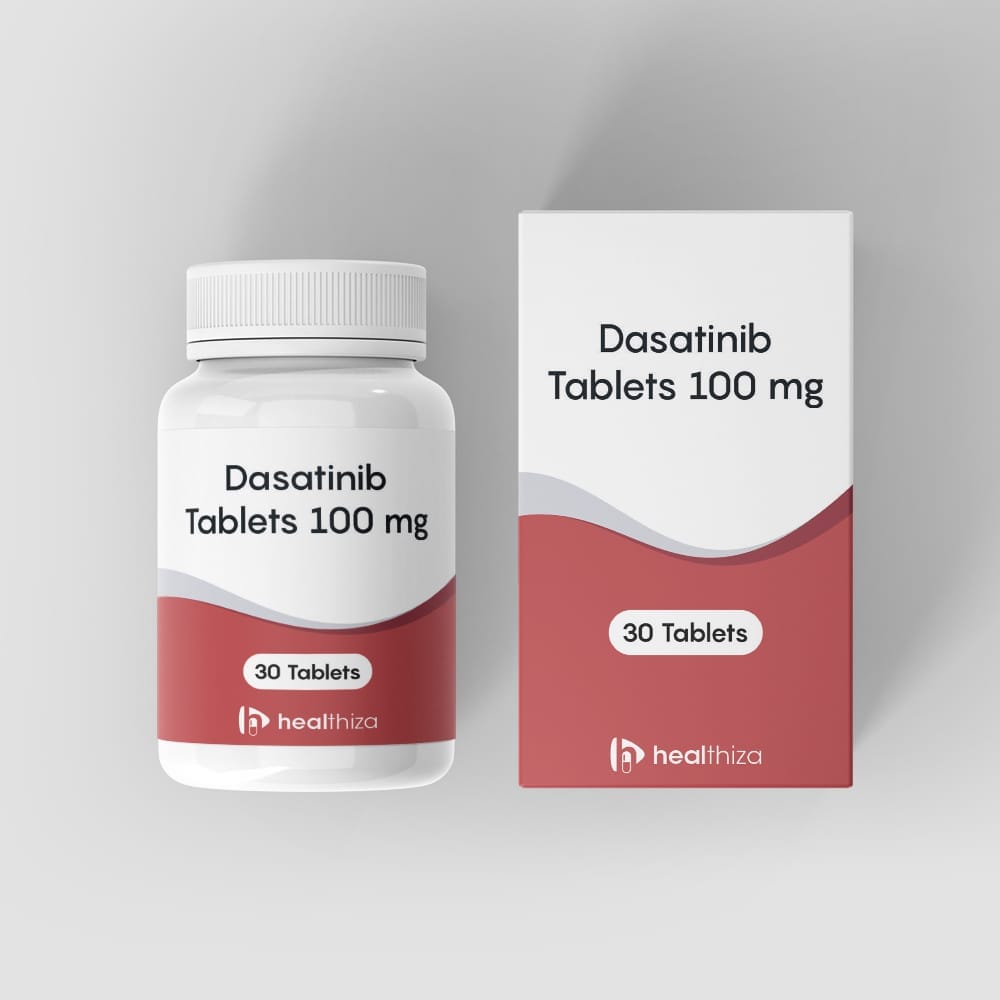
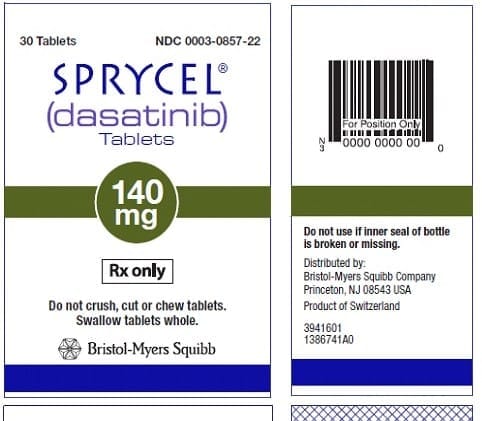
For example, the Dasatinib page describes a tyrosine kinase inhibitor (TKI). A TKI is a targeted medicine that blocks certain growth signals. Each medication page is written to support informed conversations with oncology teams. It is not a substitute for individualized treatment planning.
- Medication overviews with brand and generic naming
- High-level safety topics and interaction themes
- Common administration forms, described in plain language
- Administrative notes on prescriptions and verification steps
How to Choose
People treated for Philadelphia chromosome–associated ALL may see several therapy types. This page helps compare medication information without making treatment recommendations. Use it to line up names, classes, and key cautions across options.
Compare medication pages
- Active ingredient and drug class, such as a tyrosine kinase inhibitor (TKI)
- How the medicine is commonly supplied, such as tablets or capsules
- Major safety warnings and situations where extra caution applies
- Interaction themes, including acid reducers and some antifungals
- Follow-up topics that clinicians may discuss during ongoing treatment
Questions to bring to a visit
- How does the BCR-ABL1 change affect the overall plan?
- Which side effects should be reported to the care team quickly?
- Are there pregnancy, fertility, or contraception precautions for this medicine?
- How do other medicines or supplements change safety concerns?
- What follow-up schedule is typical with this regimen at this stage?
Quick tip: Save a current medication list in the account profile.
If Ph+ ALL appears in records, keep wording consistent across documents. Consistent naming helps reduce avoidable delays during prescription processing.
Safety and Use Notes
Medicines used in BCR-ABL1 ALL can carry serious risks. Some risks relate to immune effects, bleeding, or heart rhythm changes. Others involve interactions with common prescriptions and supplements. Many patients also receive additional therapies with their own risks.
Video appointments use a secure, HIPAA-compliant Medispress app.
Even when treating Ph+ ALL, side effects differ by medicine and by patient. Age, other conditions, and prior treatments can change safety priorities. A clinician can also review whether timing, food, or other medications matter. Never change cancer medicines based on general guidance alone.
- Drug interactions, including over-the-counter items and supplements
- Infection-related concerns, such as fever or new symptoms
- Bleeding or bruising, especially with other risk factors
- Heart or blood pressure effects that may need prompt review
- Pregnancy and breastfeeding precautions for certain therapies
For general background on ALL, see this National Cancer Institute overview Adult ALL Treatment PDQ. For official U.S. labeling, review this FDA reference page Drugs@FDA Dasatinib Application.
Access and Prescription Requirements
Many medicines in this collection require a prescription and pharmacy verification. Some cancer drugs have added dispensing rules and refill limits. Medispress can support cash-pay access, often without insurance, when appropriate. Requirements can differ based on medication type and state regulations.
For Ph+ ALL medicines, pharmacies may request prescriber details before dispensing. They may also confirm current medications to reduce interaction risk. Keep contact details up to date to avoid missed verification calls.
When appropriate, clinicians can coordinate prescriptions with partner pharmacies under state regulations.
- Full legal name and date of birth for verification
- Current medication and allergy list, kept as updated as possible
- Preferred pharmacy details, including phone and address
- Insurance details when used, or a note to use cash-pay
- Photo ID when required by local pharmacy policy
Processing steps can vary by pharmacy systems and local rules. If a medication cannot be dispensed in a given setting, clinicians may discuss options.
Related Resources
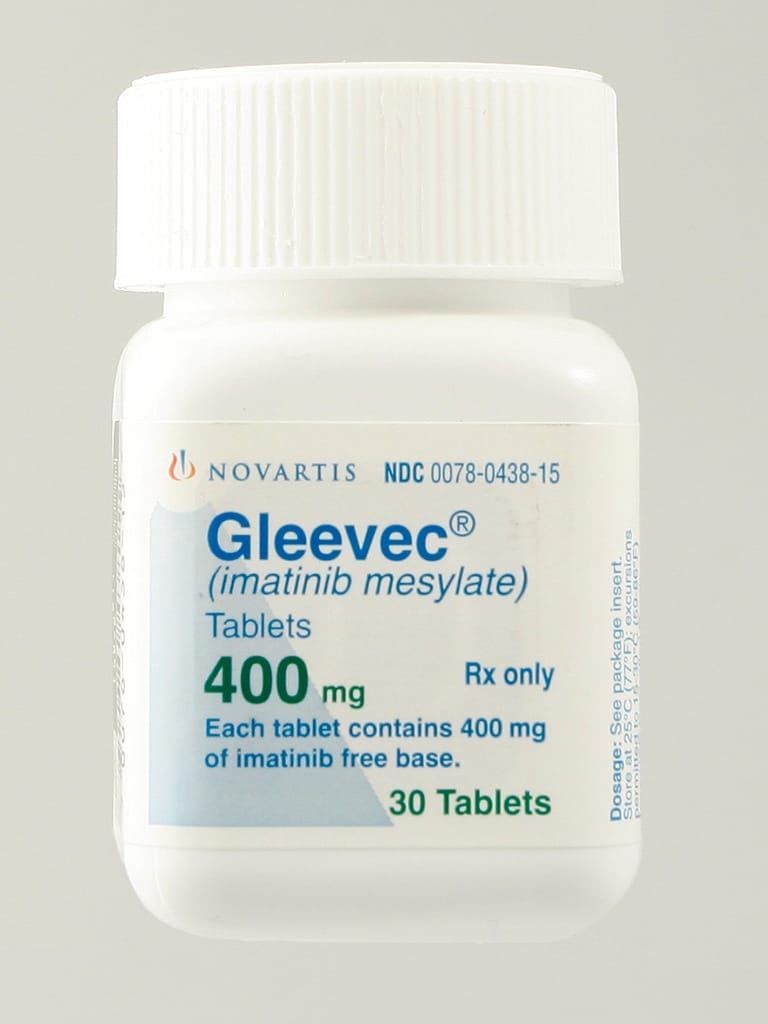
Use the medication pages for side-by-side reading and note-taking. The Tasigna page is another example of a targeted leukemia medicine overview. These pages can help clarify naming, drug class, and broad cautions.
Care plans for Ph+ ALL can change over time, so revisit resources as needed. Use official references when a medication detail feels unclear.
This content is for informational purposes only and is not a substitute for professional medical advice.

Find suitable medication for Philadelphia Chromosome Positive Acute Lymphoblastic Leukemia
Book a telehealth visit to discuss Philadelphia Chromosome Positive Acute Lymphoblastic Leukemia
Find a doctor
Speciality
State

Video Visit
$69

Video Visit
$69

Video Visit
$69

Video Visit
$69

Video Visit
$69

Video Visit
$69

Speciality: Dermatology, Family Medicine, Men's Health, Urgent Care, Women's health
Speaks: English, Spanish, French, Arabic, Portuguese
Video Visit
$69

Video Visit
$69

Video Visit
$69

Video Visit
$69

Video Visit
$69

Video Visit
$69
Frequently Asked Questions
What does Ph+ ALL mean?
Ph+ ALL is shorthand for Philadelphia chromosome–positive acute lymphoblastic leukemia. It refers to ALL with a specific genetic change called BCR-ABL1. That change can influence which targeted medicines may be considered. Many people hear the term in pathology or oncology notes. This browse page focuses on organizing medication information and related resources. A treating oncology team is the best source for diagnosis details and planning.
What can I find on this category page?
This category page brings together medication overviews and practical access notes. It helps readers compare drug names, drug classes, and key safety themes. It may also include administrative information about prescription requirements and verification steps. Use it for quick navigation, saving items, and sharing links with caregivers. The content is designed to support understanding, not replace clinical guidance from an oncology team.
Do medications for this condition require a prescription?
Many therapies discussed for this condition are prescription-only medications. Pharmacies typically verify the prescriber and confirm required information before dispensing. Some medicines have additional dispensing requirements based on federal or state rules. Refill timing and quantity limits can also apply. If a prescription is appropriate, a clinician can help determine the right pathway. Availability can depend on state regulations and pharmacy policies.
Can telehealth help with medication education for leukemia care?
Telehealth can help with medication education and care coordination questions. It can also support reviewing a medication list for interaction concerns. It does not replace in-person oncology care or urgent evaluation when needed. Medispress connects patients to licensed U.S. clinicians by video in a secure app. Clinicians decide what is medically appropriate based on the visit context. When appropriate, prescriptions may be coordinated through partner pharmacies, depending on state rules.
Where should I look for trustworthy medication details?
Start with official prescribing information and reputable cancer organizations. U.S. labeling and safety updates are available through FDA resources. National cancer organizations also provide condition overviews in plain language. Medication pages on Medispress summarize key themes, but they do not cover every scenario. For decisions, rely on the treating oncology team and the official label. Bring a current medication list to any clinical visit.