


Pernicious Anemia
Care Options for Pernicious Anemia
This category page brings together practical information for patients and caregivers. It focuses on Pernicious Anemia and how it differs from other anemia types. Many cases relate to autoimmune gastritis (stomach lining inflammation) that reduces intrinsic factor. Without intrinsic factor, vitamin B12 absorption can drop over time. Low B12 can lead to vitamin B12 deficiency anemia and megaloblastic anemia (large, immature red cells).
Common discussions include fatigue, lightheadedness, and pale skin. Some people also report neurological symptoms B12 deficiency, like numbness or balance changes. This page also covers administrative details around access and prescriptions.
Pernicious Anemia What You’ll Find
Use this browse page to compare resources tied to B12-related anemia care. It can help organize what to read first, and what to ask next. Topics often include pernicious anemia symptoms, pernicious anemia causes, and how clinicians confirm pernicious anemia diagnosis.
Visits are by video with licensed U.S. clinicians.
Because this is a medical-condition collection, listings may include items and services that support care. That can include references to vitamin B12 injections and longer-term follow-up. Some entries also explain macrocytic anemia (large red cells) and why it matters clinically.
- Plain-language overviews of causes, symptoms, and common terms
- Context on intrinsic factor antibodies and parietal cell antibodies
- High-level notes on pernicious anemia treatment approaches discussed with clinicians
- Considerations for pernicious anemia in elderly and other higher-risk groups
- Administrative guidance on prescription requirements and verification
- Diet and lifestyle discussion starters, without giving medical directions
How to Choose
Choosing what to review first can feel overwhelming. Start with the basics, then narrow to questions that fit the situation. Many people begin by clarifying pernicious anemia vs B12 deficiency, since both involve low B12.
For Pernicious Anemia, the key issue is impaired absorption from intrinsic factor deficiency. That detail can shape which options a clinician discusses. It can also explain why oral supplements may not match every situation.
What to compare when browsing
- Whether a listing focuses on symptoms, causes, or longer-term management
- Mentions of autoimmune gastritis and related stomach changes
- Discussion of intrinsic factor antibodies as part of the condition story
- References to macrocytic anemia and megaloblastic anemia terminology
- Notes on neurological symptoms B12 deficiency and when they can appear
- Practical “next steps” prompts, such as gathering prior records
- Special context, like pernicious anemia and pregnancy considerations
Questions that may help a visit feel productive
- What findings support this diagnosis versus another B12 issue?
- Which form of B12 is being considered, and why?
- What follow-up plan is typical for long-term B12 therapy?
- How do other conditions or medicines affect absorption and symptoms?
- What should be documented for work, school, or caregiving needs?
Quick tip: Keep a short timeline of symptoms and prior diagnoses for visits.
Safety and Use Notes
Information online can blur education and instructions. This section keeps things high-level and safety-focused. Pernicious Anemia can be linked with complications if deficiency persists. That can include worsening anemia and neurological changes, which may be harder to reverse.
Appointments run in a secure, HIPAA-aligned app.
Many resources also mention folate vs B12 deficiency, since they can look similar. Folate can improve blood counts while B12-related nerve issues continue. That is one reason clinicians often evaluate the whole picture.
- Allergy and sensitivity history matters for any injectable medicine
- Report new or worsening numbness, weakness, or walking changes promptly
- Share stomach history, since autoimmune gastritis may affect absorption
- Ask how pernicious anemia management guidelines apply to the situation
- Discuss gastric cancer risk pernicious anemia in a calm, contextual way
Why it matters: Nerve symptoms can progress even when fatigue seems improved.
Access and Prescription Requirements
This page also supports planning and logistics. Some options discussed for B12 replacement are prescription-only. When a prescription is required, a licensed clinician must determine if it is appropriate. Pernicious Anemia care often includes ongoing documentation, especially when symptoms affected daily function.
When clinically appropriate, clinicians may coordinate prescriptions through partner pharmacies, following state rules.
Medispress telehealth visits use a flat-fee model in many cases. People may also use cash-pay options, often without insurance, where available. Prescription verification and licensed dispensing still apply for regulated medications. Availability and fulfillment rules can vary by state and pharmacy partners.
- Have a current medication list and allergy list ready
- Bring any prior diagnosis paperwork, if it exists
- Confirm whether an item is prescription-only before checkout
- Expect identity and prescription verification where required by law
- Plan for ongoing refills if long-term therapy is used
Related Resources
If more background is helpful, focus on trusted medical references first. These can clarify symptoms, causes, and typical evaluation steps. They can also explain intrinsic factor deficiency and autoimmune gastritis in plain language. For a starting point on Pernicious Anemia, see this overview from MedlinePlus. For broader anemia context, review NHLBI anemia information.
Within Medispress, use search to browse related terms like vitamin B12 deficiency anemia, macrocytic anemia, and vitamin B12 injections. That can make it easier to compare resources side-by-side and stay organized.
This content is for informational purposes only and is not a substitute for professional medical advice.

Find suitable medication for Pernicious Anemia
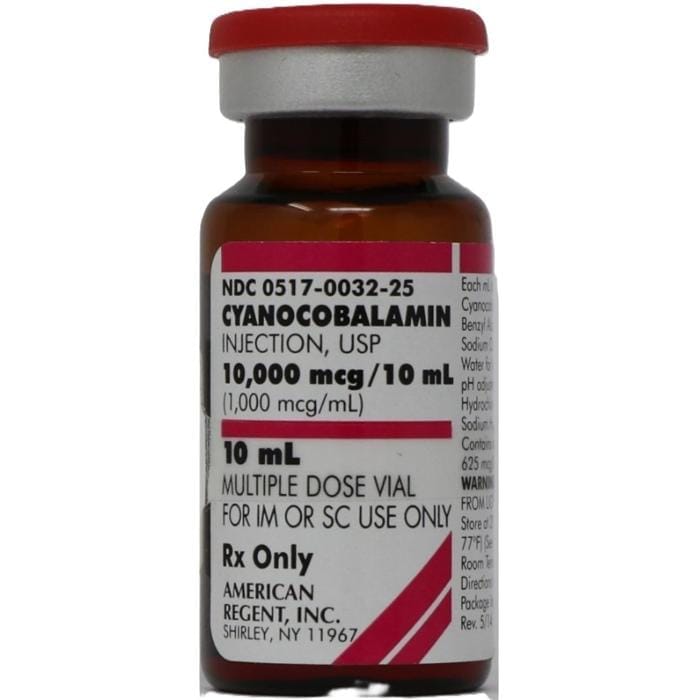
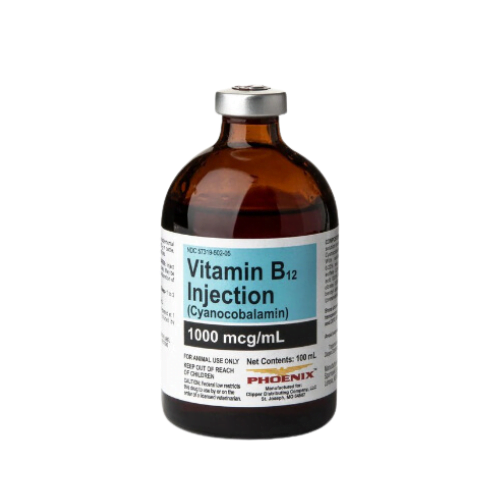
Book a telehealth visit to discuss Pernicious Anemia
Find a doctor
Speciality
State

Video Visit
$69

Video Visit
$69

Video Visit
$69

Video Visit
$69

Video Visit
$69

Video Visit
$69

Speciality: Dermatology, Family Medicine, Men's Health, Urgent Care, Women's health
Speaks: English, Spanish, French, Arabic, Portuguese
Video Visit
$69

Video Visit
$69

Video Visit
$69

Video Visit
$69

Video Visit
$69

Video Visit
$69
Frequently Asked Questions
What is pernicious anemia, in simple terms?
Pernicious anemia is a form of vitamin B12 deficiency anemia. It often happens when the stomach cannot absorb B12 well. A common reason is low intrinsic factor, which helps absorb B12. Some cases relate to autoimmune gastritis, where the immune system affects stomach cells. Low B12 can lead to macrocytic or megaloblastic anemia. It can also affect nerves over time. A clinician can explain how this differs from diet-related B12 deficiency.
What kinds of resources are included on this category page?
This category page groups information and access-related items linked to pernicious anemia. It may include educational pages on symptoms, causes, and key terms. It can also include care pathways, such as telehealth visit options, when available. Some listings may reference prescription options for B12 replacement. Details vary by state rules and clinical appropriateness. The goal is to make browsing easier and keep related information in one place.
How is pernicious anemia different from other B12 deficiency?
Both conditions involve low vitamin B12, but the underlying cause can differ. Pernicious anemia usually relates to impaired absorption from intrinsic factor problems. Other B12 deficiency can come from low dietary intake or medication effects. Some people also have intestinal or stomach conditions that affect absorption. The difference matters because it can change the long-term plan. A clinician may also consider related autoimmune conditions. Documentation and follow-up may differ too.
Do vitamin B12 injections always require a prescription?
In many cases, injectable vitamin B12 is treated as a prescription medication. Requirements depend on the specific product and applicable regulations. A licensed clinician must decide whether an injection is appropriate. Pharmacies also verify prescriptions before dispensing regulated items. Some non-injectable B12 products may be available over the counter. This page helps clarify which items are prescription-only. It also explains what information is usually needed for verification.
What should I have ready before scheduling a telehealth visit?
For a smoother visit, gather basic records and a brief symptom timeline. A current medication list and allergy history are also useful. If there is prior anemia documentation, have it available. Notes on stomach conditions or autoimmune history can help too. During scheduling, focus on accurate contact information for follow-up. Telehealth visits are completed by video in a secure app. Clinicians make all clinical decisions during the visit.