


Peripheral Artery Disease
Care Options for Peripheral Artery Disease
This category page supports practical browsing for Peripheral Artery Disease (PAD) needs. It brings together commonly used medication types, supportive care items, and plain-language education. Caregivers can also use it to organize questions and next steps. The goal is clarity around options, not medical direction.
PAD happens when narrowed arteries reduce blood flow to the legs. People may notice leg pain when walking, called intermittent claudication (exertional leg cramping). Some people have no symptoms at first. Others develop slow-healing sores, cool feet, or color changes.
Medispress connects patients with licensed U.S. clinicians through video visits.
Peripheral Artery Disease: What You’ll Find
This collection focuses on the most common needs around PAD management. It helps people compare care pathways and learn key terms. It also helps caregivers track what a clinician may ask about. That includes symptoms, risk factors, and current medications.
The page may reference how PAD is checked and staged. A common office test is the ankle brachial index test (ABI, a blood-pressure comparison of ankle and arm). Clinicians may also review pulse checks, skin changes, and walking tolerance. For severe cases, they may discuss critical limb ischemia (dangerously low limb blood flow).
Why it matters: Early recognition can reduce complications like ulcers and infection.
- Medication categories often discussed for cardiovascular risk reduction
- Supportive care for feet, skin, and mobility
- Education on PAD causes and risk factors, including smoking and diabetes
- Terms used in peripheral artery disease diagnosis and screening
- High-level peripheral artery disease treatment options, from exercise to procedures
| Term | Plain-language meaning | Why it shows up |
|---|---|---|
| Intermittent claudication | Leg pain with walking that improves with rest | Common PAD symptom to track over time |
| Ankle-brachial index (ABI) | Compares leg and arm blood pressure | Supports peripheral artery disease screening and staging |
| Critical limb ischemia | Severely reduced limb blood flow | Linked with higher risk of wounds and tissue loss |
How to Choose
Browsing works best when the goal stays specific. Some people focus on symptom tracking tools. Others need foot care supplies for fragile skin. Many focus on medication education and visit preparation.
Details that help compare options
- Whether an item requires a prescription or pharmacist review
- How the option fits existing heart or diabetes care plans
- Contraindications (situations where a medicine should be avoided)
- Common monitoring needs, like labs for cholesterol medicines
- Practical use factors, like daily routines and refill timing
- Care setting fit, including supervised exercise therapy versus home walking plans
Questions to bring to a clinical visit
- Which symptoms suggest progression, including rest pain or new sores
- How peripheral artery disease stages affect next-step evaluations
- What to expect from referrals for imaging or vascular procedures
- How antiplatelet therapy (clot-preventing medicines) is considered for PAD
- How statins (cholesterol-lowering drugs) support vascular risk reduction
Peripheral Artery Disease also overlaps with heart, kidney, and diabetes risks. That makes medication lists and recent labs important context. It also makes clear documentation useful for caregivers who coordinate visits. Keeping a simple timeline of symptoms often helps discussions stay focused.
Safety and Use Notes
This browse page supports education, not self-treatment. Many PAD-related medicines interact with other common prescriptions. Some increase bleeding risk or affect liver enzymes. Others can change blood pressure or kidney function.
Appointments run in a secure, HIPAA-compliant app on supported devices.
- Share a full medication list, including over-the-counter pain relievers and supplements
- Ask how to watch for side effects, especially bruising or unusual bleeding
- Track walking-limited leg pain patterns, including distance and recovery time
- Use careful foot checks when sensation is reduced from diabetes
- Do not ignore ulcers and wound care needs, especially odor or drainage
Quick tip: Save photos of foot changes to a dated folder.
Some symptoms need urgent evaluation, not online browsing. That includes sudden coldness, severe pain at rest, blue or black toes, or rapid swelling. Those signs can suggest critical limb ischemia or acute blockage. For an overview of PAD basics, see American Heart Association.
Screening and risk discussions often center on tobacco exposure and diabetes control. Clinicians may also review blood pressure and cholesterol history. For risk and prevention context, review the CDC PAD page.
Access and Prescription Requirements
Some options in this collection require a prescription. Others are non-prescription supportive items. Requirements depend on the product type and state rules. Pharmacy teams may also verify clinical appropriateness before dispensing.
If appropriate, clinicians can send prescriptions to partner pharmacies under state rules.
This category page supports access planning for Peripheral Artery Disease care. People may use cash-pay options, often without insurance, when available. Coverage and eligibility vary by plan and location. Documentation can also matter for follow-up visits and refills.
- Prescription-only items generally need identity and medical intake verification
- Controlled substances have stricter rules and may not apply to PAD needs
- Some medicines require recent labs or ongoing monitoring documentation
- Refills may require a follow-up, depending on the clinician’s assessment
- Keep an updated problem list that includes diabetes and kidney disease
Related Resources
PAD often sits alongside other chronic inflammatory or cardiovascular conditions. Some people compare how different conditions affect daily function and medication planning. Peripheral Artery Disease education can also help caregivers coordinate appointments across specialties.
For broader chronic-care planning, browse Psoriatic Arthritis Care Guide. It covers medication categories and home-care planning in a similar format. That structure can help when organizing notes for vascular, primary care, and diabetes visits. It also supports clearer questions about risk-factor control and long-term prognosis discussions.
This content is for informational purposes only and is not a substitute for professional medical advice.

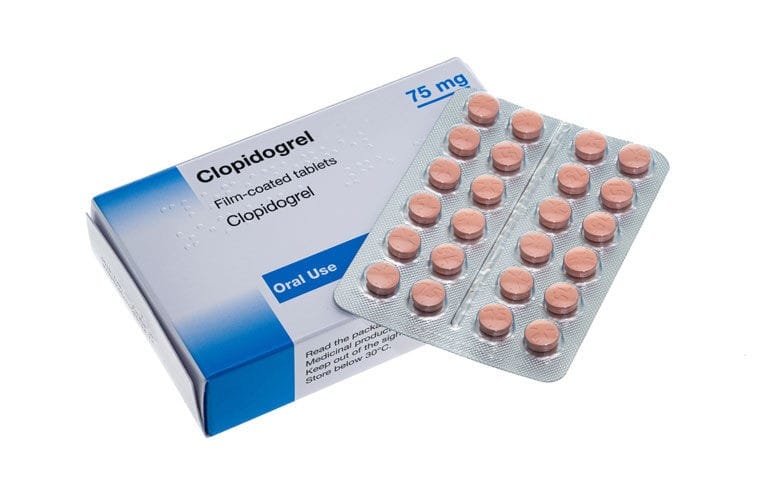
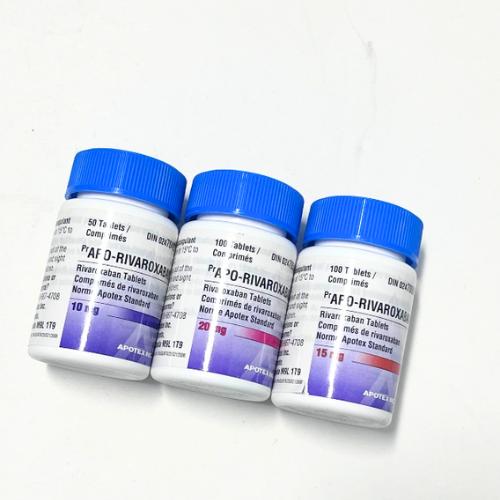
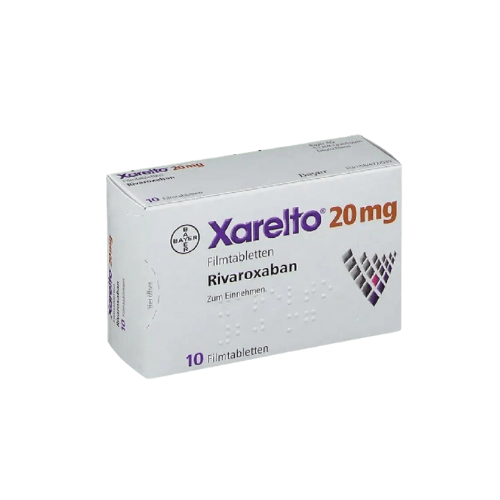
Find suitable medication for Peripheral Artery Disease

Book a telehealth visit to discuss Peripheral Artery Disease
Find a doctor
Speciality
State

Video Visit
$69

Video Visit
$69

Video Visit
$69

Video Visit
$69

Video Visit
$69

Video Visit
$69

Speciality: Dermatology, Family Medicine, Men's Health, Urgent Care, Women's health
Speaks: English, Spanish, French, Arabic, Portuguese
Video Visit
$69

Video Visit
$69

Video Visit
$69

Video Visit
$69

Video Visit
$69

Video Visit
$69
Frequently Asked Questions
What is included on this Peripheral Artery Disease category page?
This page groups practical resources tied to PAD care. It may include medication categories, supportive care items, and plain-language explanations. It also highlights common terms, like ABI testing and intermittent claudication. Use it to compare what each listing covers and what requirements apply. The goal is to make browsing and planning easier for patients and caregivers. It is not a substitute for individualized diagnosis or treatment decisions.
Do PAD-related items always require a prescription?
No. Some items are prescription-only, while others are non-prescription supports. Prescription requirements depend on the specific product and state rules. When a prescription is required, a clinician must evaluate the situation and decide what is appropriate. A dispensing pharmacy may also complete standard verification steps before filling. Listings on the page should clarify whether an Rx is needed and what information is typically requested.
What information is helpful before a telehealth visit about PAD?
It helps to have a current medication list and a brief symptom timeline. Notes often include when leg pain happens, how far walking triggers it, and how fast it resolves. Photos of skin changes or ulcers can also support clearer documentation. Past test names, like an ABI, can help if available. A clinician will decide what additional evaluation is needed. Telehealth may still lead to in-person testing or referrals.
What symptoms should be treated as urgent instead of handled online?
Some signs need prompt in-person evaluation. Examples include sudden severe leg pain, a cold or pale foot, blue or black toes, or rapidly worsening sores. New rest pain, fever with a wound, or spreading redness can also be concerning. These situations may involve serious blood flow problems or infection risk. Online information cannot confirm the cause. Local emergency or urgent services can assess circulation and start time-sensitive care.
How can caregivers use this page for foot care planning in PAD?
Caregivers can use the page to track supplies, education, and visit questions. It helps to note skin changes, swelling, and any drainage from sores. A simple checklist can support consistent daily observations. The page can also help compare which listings focus on ulcers and wound care versus symptom monitoring. For people with diabetes, foot care planning often needs extra structure. A clinician can confirm which changes require evaluation.