


Parasitic Worm Infection
Care Options for Parasitic Worm Infection
Parasitic Worm Infection can affect the gut, skin, lungs, or other organs. This category page helps patients and caregivers review common medication options and basics. It also explains what clinicians usually consider before treating suspected worms. Details can differ by worm type, exposure history, and overall health. This collection focuses on practical navigation, not self-diagnosis.
Many infections involve helminths (parasitic worms), including roundworm, tapeworm, hookworm, whipworm, and pinworm. Some are linked to travel, untreated water, or soil exposure. Others spread through close contact in homes or group settings. Symptoms can be mild, vague, or absent for a while.
Medispress visits take place in our secure, HIPAA-compliant app.
Parasitic Worm Infection: What You’ll Find
This browse page brings together medication pages tied to suspected or confirmed worm infections. Each medication page typically summarizes what the drug is, common uses, and key warnings. It may also outline what information a clinician reviews before prescribing. This helps caregivers compare options in a calmer, more structured way.
Some names overlap across countries or brands, which can get confusing. You may see similar active ingredients listed under different brand names. When that happens, the medication page usually clarifies what the product contains. It can also highlight major interaction or allergy concerns to discuss during care.
- Medication pages for commonly used antiparasitic drugs
- Plain-language explanations of what each medicine is used for
- Safety highlights, including common precautions and interaction themes
- Administrative notes on prescriptions and pharmacy dispensing
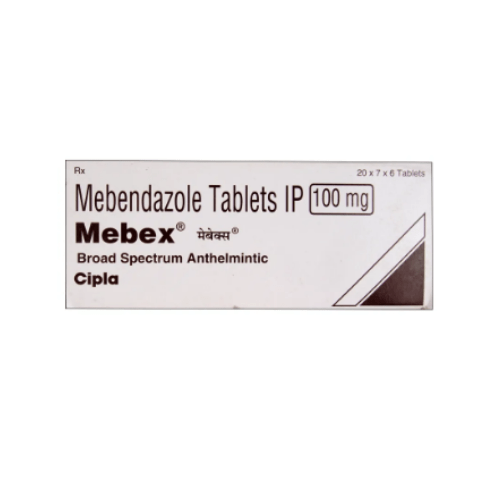
For examples of medication information pages, see Mebex Medication Page and Vermox Medication Page.
How to Choose
Choosing between resources often starts with clarity about the suspected parasite. Many worm infections have overlapping symptoms, so labels alone can mislead. When browsing, it helps to focus on scope and safety context first. Parasitic Worm Infection resources are most useful when they match the likely exposure.
Compare medication pages
- Check whether the page is for intestinal worms versus tissue infections
- Look for notes about age limits and pediatric use considerations
- Review pregnancy and breastfeeding precautions, if mentioned
- Scan for interaction themes, including seizure medicines or blood thinners
- Note whether repeat dosing is discussed as a clinician decision
- Confirm that the name matches the intended active ingredient
Plan questions for a clinician visit
- Ask which worm types fit the exposure history and symptom pattern
- Ask what signs suggest complications, like dehydration or anemia
- Ask how household contacts are usually handled in similar situations
- Ask what follow-up is typical if symptoms do not improve
Quick tip: Keep dates of travel, exposures, and symptom start in one note.
Licensed U.S. clinicians make all clinical decisions during telehealth visits.
Safety and Use Notes
Antiparasitic medicines can be very effective when the right drug matches the right parasite. They can also cause side effects, and some carry important restrictions. Common issues may include stomach upset, headache, dizziness, or rash. A clinician weighs these risks against the likely benefit for each case.
Some infections are more serious because they affect organs beyond the intestines. Examples include schistosomiasis (a waterborne fluke infection) and strongyloidiasis (a soil-transmitted threadworm infection). These may require careful evaluation and follow-up planning. Special caution can apply for people with weakened immune systems.
- Do not share prescription antiparasitic medications between people
- Tell the clinician about allergies and past severe reactions
- List current medicines, including supplements and herbal products
- Note pregnancy status or plans, since guidance can change
- Use extra caution for infants and young children, as directed
- Seek prompt evaluation for severe symptoms or rapid worsening
Why it matters: Some parasites spread easily, and reinfection can happen.
When a clinician is reviewing Parasitic Worm Infection concerns, they may ask about pets, childcare, shared bedding, and hand hygiene. These questions help clarify likely transmission routes. They also help prioritize prevention steps that do not involve medication. Prevention details matter even when treatment is prescribed.
Access and Prescription Requirements
Many antiparasitic medications are prescription-only in the U.S. A licensed clinician typically reviews symptoms, exposures, and medical history before prescribing. If a prescription is appropriate, it must be filled by a licensed dispensing pharmacy. Pharmacies also verify prescriptions and required identifiers before dispensing.
Medispress offers telehealth video visits in a secure app, with a flat-fee visit model. These visits can support cash-pay access, often without insurance, when that fits the situation. After the visit, the clinician may coordinate prescription options with partner pharmacies. This depends on clinical appropriateness and state regulations.
- Browse medication pages and save questions for the visit
- Schedule a video appointment if clinical review is needed
- Share relevant history, including travel and known exposures
- Confirm pharmacy details and required prescription information
- Review the medication instructions provided by the pharmacy label
Parasitic Worm Infection care sometimes involves more than one step. That can include prevention planning, symptom monitoring, and follow-up if concerns persist. People with severe abdominal pain, fainting, blood in stool, or breathing trouble need urgent evaluation. Those symptoms can have many causes beyond parasites.
Related Resources
This category page pairs well with a few medication references on the site. Vermazol Medication Page may be relevant for some worm-related discussions, depending on the active ingredient. Quinine Medication Page is typically discussed for malaria, which is not a worm infection. It can still help clarify what quinine is, and why it is not interchangeable.
For broader background, see these public health overviews from trusted sources. See CDC guidance on preventing parasite infections. Read WHO overview of soil-transmitted helminths. Parasitic Worm Infection topics can feel overwhelming, so simple definitions help. Keep notes on exposures and symptoms for smoother clinical review.
This content is for informational purposes only and is not a substitute for professional medical advice.

Find suitable medication for Parasitic Worm Infection
Book a telehealth visit to discuss Parasitic Worm Infection
Find a doctor
Speciality
State

Video Visit
$69

Video Visit
$69

Video Visit
$69

Video Visit
$69

Video Visit
$69

Video Visit
$69

Speciality: Dermatology, Family Medicine, Men's Health, Urgent Care, Women's health
Speaks: English, Spanish, French, Arabic, Portuguese
Video Visit
$69

Video Visit
$69

Video Visit
$69

Video Visit
$69

Video Visit
$69

Video Visit
$69
Frequently Asked Questions
What kinds of items are listed in this Parasitic Worm Infection category?
This category groups medication information pages that may relate to suspected or confirmed worm infections. Each page usually explains what a medicine is, what it is commonly used for, and key safety points. It may also describe typical prescribing considerations, like age limits and interaction concerns. Listings are meant to support browsing and informed questions. A clinician still needs to decide whether any medication is appropriate.
How do I compare medication pages for different worm infections?
Start by checking whether the medicine is meant for intestinal worms or other types. Then review the safety section for pregnancy, breastfeeding, and pediatric notes. Look for interaction themes, especially if someone takes long-term medicines. Also confirm the active ingredient, since brand names can vary. If two pages seem similar, differences often come from parasite type or patient-specific risks. Bring those questions to a clinician for clarification.
Do all antiparasitic medicines require a prescription?
Many antiparasitic medicines in the U.S. are prescription-only, but requirements can vary by drug. When a prescription is required, a licensed clinician must evaluate the situation before prescribing. Dispensing is handled by a licensed pharmacy, which verifies required prescription details. Some prevention products or hygiene supplies may be over-the-counter, but they do not replace clinical care. If there is uncertainty, treat the medication page as a starting reference.
What information is helpful for a telehealth visit about possible worms?
Clinicians often ask about symptom timing, travel, and likely exposures. They may ask about daycare, household contacts, pets, and shared living spaces. A list of current medications, allergies, and major conditions is also important. It helps to note any recent weight change, fever, rash, or stomach issues, without guessing a diagnosis. Telehealth works best when details are organized, since treatment choices depend on the full context.
When should someone seek urgent care instead of online evaluation?
Some symptoms need urgent evaluation because they can signal serious illness from many causes. Examples include trouble breathing, fainting, severe dehydration, confusion, severe abdominal pain, or blood in stool. High fever with rapid worsening can also be concerning. These signs do not confirm a parasite, but they should not wait. If urgent care is needed, it is appropriate to prioritize emergency evaluation first, then follow up later for parasite-specific questions.