


Panic Disorder
Care Options for Panic Disorder
This category page supports practical browsing for patients and caregivers. It brings together education, care pathways, and medication-related information in one place. Panic Disorder can feel sudden and frightening, but it is treatable. Many people benefit from clear explanations and a calm plan. This page helps compare common options and understand next steps. It also covers what to expect from telehealth and pharmacy workflows. Some services may be available as cash-pay, often without insurance.
Medispress telehealth visits use a flat-fee model, shown upfront.
Panic Disorder What You’ll Find
This collection focuses on what people often need first. It explains panic attack symptoms, common panic attack triggers, and how clinicians think about patterns over time. It also introduces terms that come up in care, like agoraphobia (fear of situations where escape feels hard). The goal is clarity, not self-diagnosis.
Expect plain-language overviews of evaluation steps and care types. For example, some people compare therapy formats, while others review medication categories to discuss with a clinician. When a deeper read helps, the page also points to related mental health topics.
- Symptom and trigger education, including common physical sensations
- How assessment and clinical interviews typically work
- Overview of therapy approaches, including CBT and exposure-based methods
- Medication category basics, plus refill and safety reminders
- Links to nearby condition collections and supporting content
How to Choose
Different options fit different lives. Some people want skills for rapid symptom control. Others want long-term prevention and fewer attacks. A good starting point is organizing what is happening, and when.
Quick tip: Save a short symptom log to review during scheduling.
Match the option to the main problem
Many people compare options by the pattern, not the label. The pattern can include sudden attacks, worry about future attacks, or avoiding certain places. Some also compare panic disorder vs generalized anxiety, since both can include fear and body symptoms.
- Frequency and timing of attacks, including night-time episodes
- Situations linked to symptoms, like crowds, driving, or exercise
- Physical symptoms that dominate, like racing heart or dizziness
- Impact on school, work, or caregiving responsibilities
- Coexisting conditions, including depression, PTSD, or OCD symptoms
Know the main care paths discussed in clinics
Common care discussions include panic disorder therapy and medication support. Therapy often includes cognitive behavioral therapy for panic disorder, which targets fear cycles. Some plans also include exposure therapy for panic disorder, which builds tolerance to feared sensations. Lifestyle changes can also matter, like sleep regularity and caffeine awareness.
- Preference for skills-based therapy, medication, or combined care
- Comfort with structured homework and between-visit practice
- Interest in mindfulness for panic disorder and stress management
- Non-medication supports like breathing techniques for panic attacks
- Questions to ask, including when to see a therapist for panic attacks
Clinicians who offer video visits can also help triage next steps. For visit planning details, review Virtual Doctor Appointment Checklist.
Safety and Use Notes
Strong anxiety symptoms can overlap with other health problems. A careful review helps rule out medical causes and medication side effects. This is also where panic disorder causes are discussed, including stress, genetics, and certain substances. A clinician may use questionnaires alongside an interview, but diagnosis is clinical.
Why it matters: Chest pain, fainting, or severe shortness of breath needs urgent evaluation.
- Share a full medication list, including supplements and stimulants
- Note recent substance changes, including caffeine, alcohol, and nicotine
- Discuss safety risks, like driving concerns during severe symptoms
- Ask how panic disorder medications are started, adjusted, or stopped safely
- Review warning signs that need urgent or emergency care
Medispress video visits are with licensed U.S. clinicians.
For an evidence-based overview of anxiety conditions, see this resource from the National Institute of Mental Health.
Access and Prescription Requirements
Some treatments require a prescription and a clinical evaluation. This usually includes identity checks and a review of medical history. Pharmacies also follow licensed dispensing rules and prescription verification requirements. These steps protect safety and support appropriate use.
For many people, access planning includes timing, paperwork, and budget. Cash-pay options may help some patients who are paying without insurance. Availability can vary based on state regulations and the type of medication.
- Prescription-only medications require an approved prescription from a clinician
- Pharmacy teams may confirm prescriber details before dispensing
- Some medications have extra controls or documentation requirements
- Refills depend on clinical appropriateness and legal limits
- Share past side effects and prior treatment responses when available
When clinically appropriate, Medispress clinicians can coordinate prescriptions with partner pharmacies, following state rules.
To compare related condition collections, browse Generalized Anxiety Disorder and Obsessive Compulsive Disorder. Some people also explore Posttraumatic Stress Disorder or Bipolar Disorder when symptoms overlap.
Related Resources
Good information reduces fear and supports better conversations. Panic Disorder resources can also help caregivers understand what attacks look like. For practical coping education, read How To Stop Panic Attacks and Recognizing Anxiety Disorders. If care navigation is the priority, Choosing The Right Anxiety Care may help set expectations.
Support can also come from structured therapy, peer programs, and local counseling networks. Many communities offer panic disorder support groups, including options for adolescents and adults. For a broader view of telehealth’s role in mental health access, see Telehealth For Mental Health.
This content is for informational purposes only and is not a substitute for professional medical advice.

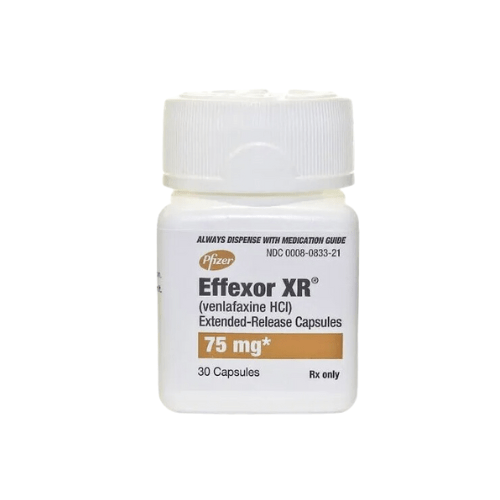
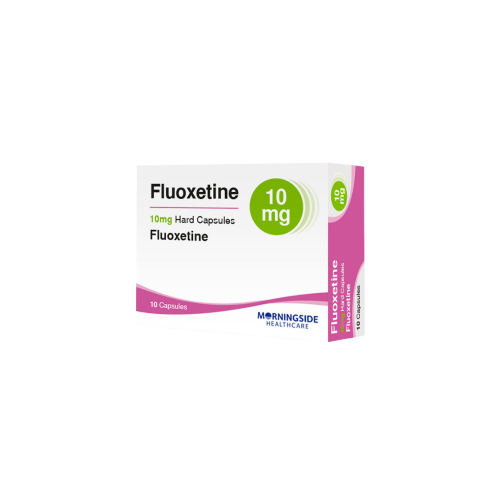
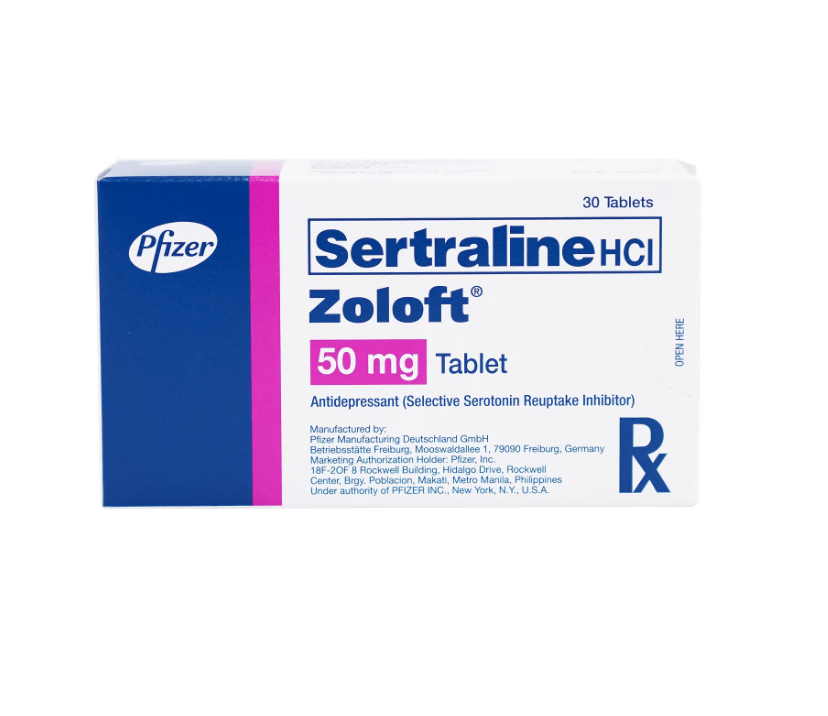
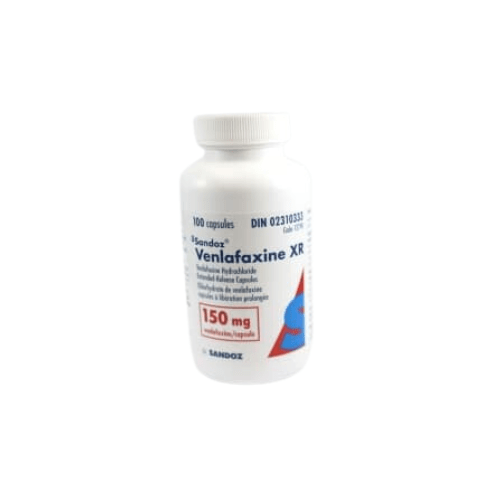
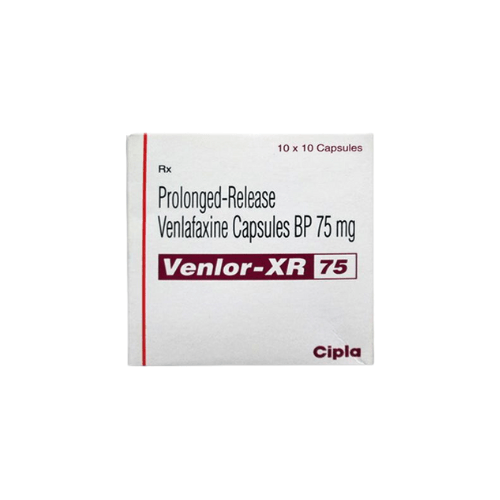
Find suitable medication for Panic Disorder



Book a telehealth visit to discuss Panic Disorder
Find a doctor
Speciality
State

Video Visit
$69

Video Visit
$69

Video Visit
$69

Video Visit
$69

Video Visit
$69

Video Visit
$69

Speciality: Dermatology, Family Medicine, Men's Health, Urgent Care, Women's health
Speaks: English, Spanish, French, Arabic, Portuguese
Video Visit
$69

Video Visit
$69

Video Visit
$69

Video Visit
$69

Video Visit
$69

Video Visit
$69
Frequently Asked Questions
What is the difference between a panic attack and Panic Disorder?
A panic attack is a sudden surge of intense fear with physical symptoms. Symptoms can include rapid heartbeat, shaking, sweating, or shortness of breath. Panic Disorder is a clinical diagnosis involving recurrent attacks plus ongoing concern or behavior changes. Diagnosis usually considers how often attacks happen and how much life is affected. A licensed clinician can also check for medical causes and overlapping conditions. This helps guide safe, appropriate care options.
What details are helpful to share during a virtual mental health visit?
It helps to share a short timeline of symptoms and major stressors. Note when attacks started, how long they last, and common settings. List all medications, supplements, caffeine use, and any recent changes. Include prior therapy experiences and medication side effects, if any occurred. If there are safety concerns, mention them early in the visit. For scheduling and preparation, using a checklist can make the visit smoother.
Can a clinician prescribe medication for panic symptoms through telehealth?
Sometimes, yes, but it depends on the clinical evaluation and the medication. A clinician must decide what is appropriate after reviewing symptoms and history. Some medications require added monitoring or have legal restrictions that vary by state. If a prescription is clinically appropriate, it is sent to a licensed pharmacy for dispensing. Pharmacies also verify prescriptions as part of standard safety checks. Not every case is a fit for telehealth-only care.
How can I tell when symptoms might be an emergency?
Panic symptoms can feel intense, but some signs need urgent attention. Chest pain, fainting, severe shortness of breath, confusion, or new weakness can signal a medical emergency. Severe agitation, suicidal thoughts, or inability to stay safe also needs immediate help. When symptoms are new or unusually severe, a prompt medical evaluation is important. If there is concern for an emergency, emergency services are the safest option.
Where can people find therapy and support beyond medication?
Therapy is a core option for panic-related conditions. Many clinicians discuss cognitive behavioral therapy and exposure-based approaches. Support groups can also help reduce isolation and normalize symptoms. Some people benefit from sleep routines, stress management, and reducing stimulant triggers. Availability can depend on local providers and telehealth access. A clinician can help identify safe, practical options that match severity and daily needs.