


Pain
Care Options for Pain
Pain can be confusing, especially when symptoms change day to day. This category page helps patients and caregivers browse related condition collections and practical resources. It also links to telehealth guides that explain common visit steps. For visit prep, start with Virtual Doctor Visit Guide and Telehealth Online Basics. Information here supports planning and communication, not self-diagnosis.
Medispress video visits connect patients with licensed U.S. clinicians.
Pain: What You’ll Find
This collection brings together common symptom themes and related condition pages. It is useful when discomfort may involve nerves, muscles, joints, the back, or the pelvis. It can also help when symptoms are short-term after a strain. Some people use it to compare “new” symptoms versus long-lasting patterns.
Each related page typically focuses on one area or symptom pattern. That makes it easier to browse with a clear question in mind. Examples include back-focused symptoms, nerve-related symptoms, and menstrual-related symptoms. The goal is clearer language for visits and safer expectations about next steps.
- Related condition collections organized by symptom pattern
- A specialty browse page for clinician matching by topic
- Telehealth preparation guides and checklists
- Administrative notes about prescriptions, verification, and pharmacy coordination
- Safety context and when in-person evaluation may matter
How to Choose
Start with the symptom pattern that best matches the story. If the concern centers on evaluation and ongoing care, browse Pain Management. That page focuses on care navigation, not a single condition. It can also help caregivers compare visit types and documentation needs.
Match the symptom pattern
- Location: back, neck, shoulder, hip, knee, jaw, abdomen, or pelvis
- Timing: sudden onset, gradual build, or recurring episodes
- Quality: aching, burning, sharp, cramping, or electric sensations
- Triggers: activity, posture, meals, stress, menstrual cycle, or sleep changes
- Associated symptoms: numbness, weakness, fever, rash, swelling, or vision changes
- Recent events: injury, dental work, surgery, or a new medication
Prepare details for a clinician
Well-organized details often save time during a video visit. They also reduce confusion when more than one symptom overlaps. For a question list that fits virtual care, see Top Questions To Ask.
- A brief timeline with major changes and what helped or worsened symptoms
- Current medication list, including over-the-counter items and supplements
- Allergies and past side effects, especially sedation or stomach upset
- Prior imaging or labs, if copies are available
- Functional impact, such as sleep disruption or missed work
- Clear goals for the visit, like diagnosis clarification or documentation
Safety and Use Notes
Many conditions that cause discomfort can share similar symptoms. That is why broad self-treatment plans can miss important details. This browse page supports safer conversations, not at-home medical decisions. For more background topics, explore Pain and Inflammation.
Some situations need urgent in-person evaluation, even if symptoms seem familiar. Emergency care may be needed with chest pressure, sudden weakness, or trouble speaking. Severe shortness of breath or fainting also deserves immediate attention. For a neutral public-health overview, see CDC guidance on pain management approaches and safety.
- New neurologic symptoms, such as one-sided weakness or confusion
- Severe headache with neck stiffness, fever, or vision changes
- Eye symptoms with sudden vision loss or significant light sensitivity
- Persistent vomiting, dehydration, or inability to keep fluids down
- Severe abdominal symptoms with rigid belly or blood in stool
- Postoperative symptoms with heavy bleeding, spreading redness, or pus
Why it matters: A current medication list helps clinicians screen for interaction risks.
Visits run in a secure, HIPAA-compliant mobile app.
Medication safety also depends on context. Many common drugs can interact with alcohol, sleep aids, or other prescriptions. Some options can affect the liver, kidneys, blood pressure, or bleeding risk. For trustworthy basics on medication use, see MedlinePlus drug information.
Access and Prescription Requirements
Some symptom-related treatments require a prescription, while others do not. Requirements depend on the product, state rules, and clinical context. When prescriptions are involved, pharmacies typically verify key details before dispensing. That can include patient identity checks and prescriber validation.
Medispress supports video visits and administrative coordination in one place. Clinicians determine what is clinically appropriate during the visit. If a prescription makes sense, providers may coordinate options through partner pharmacies. Availability can vary based on state regulations and medication rules.
- Prescription-only products generally need a clinician evaluation and documentation
- Some medications have extra limits due to controlled substance laws
- Pharmacy verification may include identity confirmation and safety screening
- Cash-pay options are often available, including without insurance, when permitted
- Refills and transfers may require prior records or pharmacy-to-pharmacy contact
To understand typical steps, review How Virtual Visits Work. For quick prep items, use Virtual Appointment Checklist. If something feels suspicious, read Telehealth Scam Safety before sharing personal details.
Related Resources
Long-lasting symptoms often raise different questions than new issues. For that browsing path, see Chronic Pain. Video visits also go smoother with a stable connection and good lighting. If setup is challenging, use Tech Troubles Tips to troubleshoot common problems.
Quick tip: Keep photos of labels and prior records in one phone folder.
This content is for informational purposes only and is not a substitute for professional medical advice.

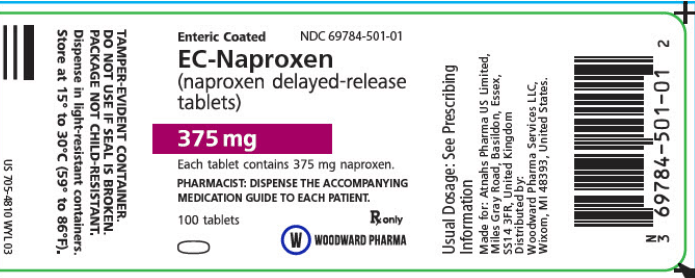
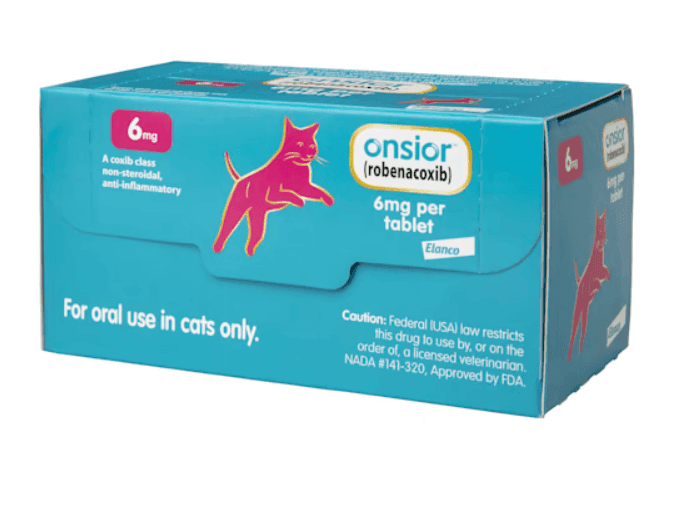
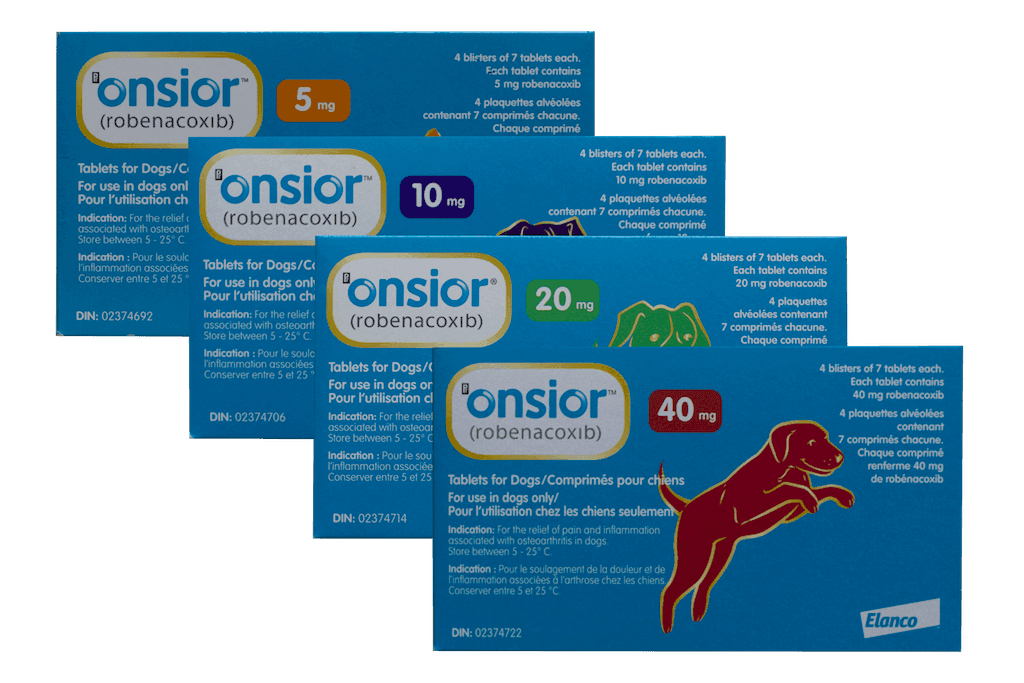
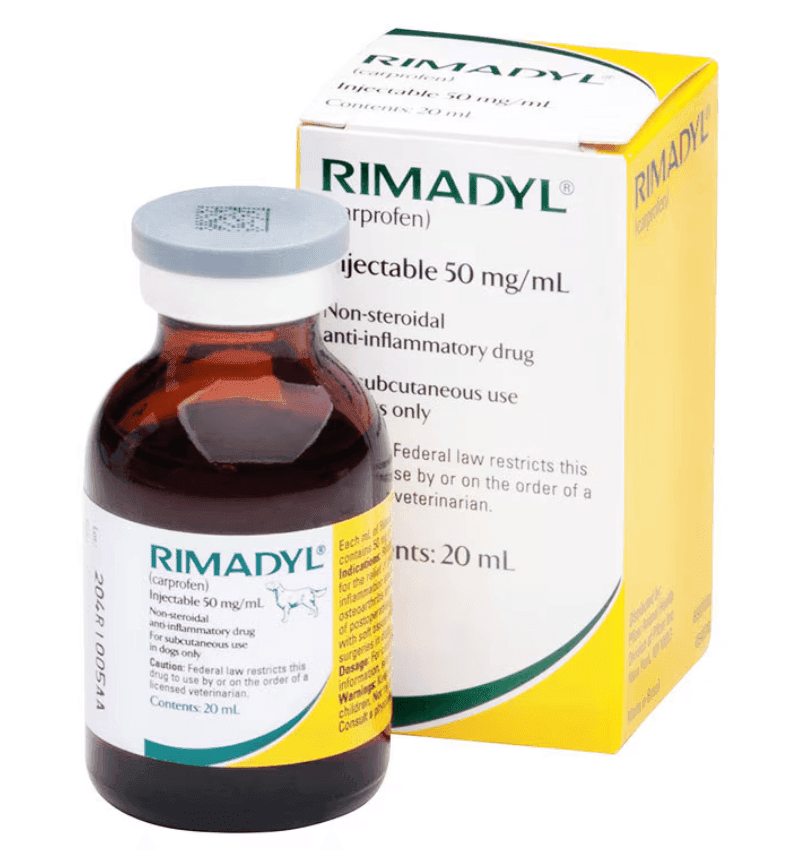
Find suitable medication for Pain







Book a telehealth visit to discuss Pain
Find a doctor
Speciality
State

Video Visit
$69

Video Visit
$69

Video Visit
$69

Video Visit
$69

Video Visit
$69

Video Visit
$69

Speciality: Dermatology, Family Medicine, Men's Health, Urgent Care, Women's health
Speaks: English, Spanish, French, Arabic, Portuguese
Video Visit
$69

Video Visit
$69

Video Visit
$69

Video Visit
$69

Video Visit
$69

Video Visit
$69
Frequently Asked Questions
What is included on the Pain category page?
This category page groups related condition collections and care-navigation resources. It helps patients and caregivers compare symptom patterns by body area or timing. It also links to telehealth preparation guides and checklists. Administrative notes explain when prescriptions may be involved and how verification works. The page is meant for browsing and planning questions for a clinician. It is not meant to diagnose symptoms or replace in-person evaluation.
How do I decide which related condition page to open next?
Choose the page that matches the main symptom pattern and location. Start with where symptoms are centered, such as back, pelvic, or nerve-related sensations. Then consider timing, like sudden onset versus recurring episodes. If there was a trigger, note injury, surgery, dental work, or a new medication. Pages are organized to make comparisons easier and help with visit notes. When symptoms feel unclear, a specialty browse page can help.
Can a telehealth visit help with symptoms that cause discomfort?
Telehealth can be useful for history-taking, medication review, and care coordination. Clinicians can discuss symptom patterns, review prior records, and decide next steps. Some situations still require hands-on exams, imaging, or urgent evaluation. The best fit depends on symptom severity, new neurologic changes, and other warning signs. Telehealth works best when details are organized, such as timelines and current medication lists. Clinicians make all clinical decisions during the visit.
When is a prescription required, and what does verification mean?
Prescription-only medications require a clinician evaluation and an authorized prescription. Pharmacies often verify key details before dispensing. That can include confirming prescriber credentials, checking patient identity, and screening for interactions. Some medications have extra legal limits, including controlled substances. Requirements can also vary by state and by pharmacy policy. Verification is a safety step and does not guarantee that a medication is appropriate for a specific person.
What warning signs should prompt urgent in-person care?
Some symptoms should be evaluated urgently because they can signal serious conditions. Examples include chest pressure, severe shortness of breath, fainting, or sudden one-sided weakness. Confusion, trouble speaking, or sudden vision loss also needs immediate attention. Severe headache with fever or neck stiffness can be concerning. Heavy bleeding after a procedure or spreading redness with pus also deserves prompt care. When in doubt, emergency services or urgent care can be appropriate.