


Paget's Disease
Care Options and Resources for Paget's Disease
This category page gathers practical information tied to Paget’s Disease and care navigation. It helps patients and caregivers compare key terms, common care steps, and access rules. The goal is clarity, not self-diagnosis or self-treatment. Use the links to understand notes from visits, labs, and imaging reports.
Paget disease can mean abnormal bone remodeling, or a rare breast skin disorder. This collection helps separate Paget disease of bone from mammary Paget disease. Many people notice bone pain, warmth over bone, or gradual shape changes. Clinicians may also note elevated alkaline phosphatase on lab work. Visits happen by video with licensed U.S. clinicians.
Why it matters: Similar names can lead to the wrong records request.
Paget’s Disease: What You’ll Find
This collection focuses on the details people often need for coordination. That includes common phrasing like “Paget disease symptoms,” “Paget disease diagnosis,” and “Paget disease imaging.” It also covers administrative context, like what a pharmacy needs to fill an Rx. For bone-focused browsing, the related collection at Paget Disease Of Bone can help narrow the topic.
Many listings and resources use overlapping language with osteoporosis. This can make “Paget disease vs osteoporosis” comparisons confusing. The pages here aim to clarify what each term usually refers to. Look for plain explanations of imaging terms, like Paget disease x-ray findings. When imaging is mentioned, it often includes x-ray, bone scan, CT, or MRI.
This category also connects to broader care planning needs. Some people explore general support under Chronic Disease Management. Others look for age-related care planning tips, especially when mobility changes. The reading page Senior Health Tips can help with practical routines. For breast-health context, Womens Health Guide offers broader screening and wellness language.
- Common terms used in visit notes and referrals
- Symptom and complication language to recognize in records
- Medication classes that may appear in treatment plans
- Monitoring concepts, including labs and follow-up imaging
- Care coordination topics, like referrals and pharmacy steps
- Links to related collections and educational reading
How to Choose
People use different resources depending on the immediate need. When browsing Paget’s Disease materials, start with the question being answered. Some pages focus on definitions and risk factors. Others focus on medication categories and monitoring language. Matching the page to the task saves time later.
Match the resource to the goal
- If the goal is language clarity, prioritize symptom and diagnosis definitions.
- If the goal is records review, look for imaging and lab term explainers.
- If the goal is medication context, focus on drug class over brand names.
- If surgery appears in notes, look for orthopedic terms and recovery basics.
- If hearing changes appear, look for skull involvement and ENT terms.
- If fractures are mentioned, review complication language and safety cautions.
Prepare for a medication review
Medication decisions depend on the full clinical picture. Helpful context often includes other diagnoses and current medicines. Kidney function history can matter for some therapies. Dental history can also appear in safety screening discussions. Records about prior fractures, implants, or chronic pain can change options.
Quick tip: Keep a single folder for labs and imaging summaries.
Safety and Use Notes
For Paget’s Disease of bone, clinicians may discuss medicines that affect bone turnover. These may include bisphosphonates for Paget disease, such as zoledronic acid, or calcitonin therapy. Each option has limits, interactions, and monitoring needs. Notes may mention kidney function, calcium or vitamin D status, and dental issues. These topics should be reviewed with a licensed clinician.
Appointments use a secure, HIPAA-compliant Medispress app.
Records sometimes include terms that sound alarming without context. “Bone deformities” may describe gradual shape changes, not sudden collapse. “Skull involvement” can connect to headaches or hearing loss, but reports vary. “Elevated alkaline phosphatase” can have many causes, so clinicians interpret it with other data. Prognosis and complications depend on which bones are affected and how active disease appears.
- Bring a current medication list, including supplements and OTC pain relievers.
- Share prior imaging dates, especially bone scans and targeted x-rays.
- Flag kidney disease history, since it can affect medication choices.
- Note dental procedures or jaw symptoms mentioned in prior records.
- Ask what follow-up monitoring is typical for the specific care plan.
See the NIAMS Paget disease of bone overview for background details.
A plain summary appears in the Mayo Clinic Paget disease summary for general context.
Access and Prescription Requirements
If a clinician prescribes medication for Paget’s Disease, pharmacy rules can shape next steps. Many therapies discussed for this condition require a prescription. Pharmacies may also need diagnosis codes or supporting documentation. Some people use cash-pay options, often without insurance, when coverage is limited.
If appropriate, clinicians can route prescriptions through partner pharmacies under state rules.
Access steps can differ by medication form and state requirements. Injectable or infusion therapies may follow tighter handling rules. Some medicines require screening or follow-up labs before refills. When multiple specialists are involved, coordination reduces duplicate work. For example, kidney-related issues may be managed alongside Chronic Kidney Disease care.
- Prescription-only products require a valid Rx from a licensed clinician.
- Pharmacies may verify identity and shipping address for controlled processes.
- Medication substitutions depend on state rules and pharmacy availability.
- Refill timing can depend on monitoring plans and documentation.
- Specialist referrals may be needed for complex complications or surgery.
Related Resources
Long-term Paget’s Disease management often overlaps with general health routines. Mobility, sleep, and cardiovascular fitness can affect day-to-day comfort. For lifestyle context, browse Exercise And Cardiovascular Health and Benefits Of Hydration. For common comorbidity navigation, Treat Hypertension Options and Telehealth For Diabetes Care can support broader planning.
Some symptoms also overlap with other categories on the site. If questions come up about infections in general, the browse page Infectious Disease groups related reading. Use these links to build better questions for the next visit. Keep a list of terms from reports, and match them to the right topic.
- Review symptom language, then cross-check it with imaging terms.
- Track key lab trends over time, including alkaline phosphatase notes.
- Save specialist names and visit dates to simplify referrals.
- Use consistent terminology when sharing records across clinics.
This content is for informational purposes only and is not a substitute for professional medical advice.

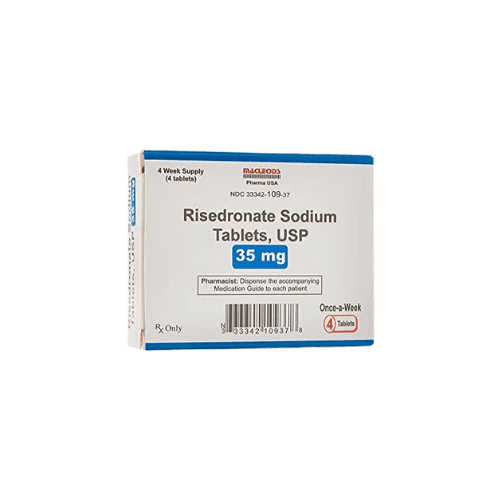
Find suitable medication for Paget's Disease

Book a telehealth visit to discuss Paget's Disease
Find a doctor
Speciality
State

Video Visit
$69

Video Visit
$69

Video Visit
$69

Video Visit
$69

Video Visit
$69

Video Visit
$69

Speciality: Dermatology, Family Medicine, Men's Health, Urgent Care, Women's health
Speaks: English, Spanish, French, Arabic, Portuguese
Video Visit
$69

Video Visit
$69

Video Visit
$69

Video Visit
$69

Video Visit
$69

Video Visit
$69
Frequently Asked Questions
What is included on this Paget's Disease category page?
This page brings together condition-focused resources and related navigation links. It includes common terms seen in visit notes, like imaging wording and lab phrases. It may also include medication-category context and pharmacy access notes, depending on listings. The goal is to make browsing easier for patients and caregivers. Use it to compare topics, save relevant links, and prepare questions for a clinician review.
Is Paget disease of bone the same as mammary Paget disease?
No. Paget disease of bone involves abnormal bone remodeling and can affect one or more bones. Mammary Paget disease involves skin changes on the nipple or areola, and it can relate to underlying breast disease. The similar names can create confusion in records, referrals, and searches. This category page helps separate these topics so the right resources appear. A clinician can confirm which condition applies in a given case.
What information is helpful to gather before a clinician reviews possible Paget disease?
A clinician review often goes faster with organized records. Helpful items can include recent lab results, imaging reports, and a current medication list. Prior x-rays or bone scan summaries can help clarify which bones were evaluated. Notes about symptoms, like bone pain or hearing changes, can add context. It also helps to list other conditions, especially kidney disease, and any major dental procedures noted in the chart.
What does “elevated alkaline phosphatase” mean in Paget disease?
Alkaline phosphatase is a blood test that can rise for several reasons. In Paget disease of bone, it may increase when bone turnover activity is higher. However, liver and other conditions can also affect this value. Clinicians usually interpret it alongside other labs, symptoms, and imaging findings. The most useful step is to confirm which alkaline phosphatase type was measured, and what the reference range was for that lab.
Can prescriptions be coordinated through Medispress for this condition?
Medispress supports telehealth visits with licensed U.S. clinicians through a secure app. Clinicians make all medical decisions, including whether medication is appropriate. When a prescription is clinically appropriate, providers may coordinate options through partner pharmacies. Pharmacy fulfillment and requirements can vary by medication type and by state regulations. Some prescriptions may require additional verification or documentation before dispensing.