


Ovulation Disorder
Care Options for Ovulation Disorder
Ovulation Disorder is a broad term for problems with egg release. It can affect cycle timing, bleeding patterns, and fertility planning. This category page supports browsing for patients and caregivers. It gathers practical references and navigation to related services. It also explains common terms like anovulation (no egg release) and irregular ovulation.
Use this page to compare topics that often come up in care. That includes likely causes, common diagnosis language, and typical next steps. It may also help when preparing for a fertility workup discussion. The content stays neutral and education-focused. Clinicians make medical decisions based on individual history and findings.
Ovulation Disorder What You’ll Find
Many cycle problems share similar language, even when causes differ. This collection helps people sort those terms and what they mean. It also highlights where symptoms overlap across conditions. Examples include oligomenorrhea (infrequent periods) and amenorrhea (missing periods). It also covers hormonal imbalance and ovulation in plain, readable terms.
Some resources focus on underlying conditions that affect ovulation. Common examples include polycystic ovary syndrome (PCOS) and thyroid and ovulation changes. Others cover less common causes like high prolactin (hyperprolactinemia) and premature ovarian insufficiency. When a clinician documents follicle stimulating hormone (FSH) or luteinizing hormone (LH), this page helps frame those terms. The goal is better understanding while browsing care options.
Care is provided by licensed U.S. clinicians during video appointments.
What’s included on this browse page:
- Plain-language definitions for ovulation disorders and related diagnoses
- Common symptom patterns, and what can mimic them
- High-level treatment categories, without dosing or instructions
- Administrative notes about prescriptions and pharmacy coordination
- Links to related hormone health education for broader context
How to Choose
Ovulation concerns can start with a symptom, a lab note, or a fertility goal. Choosing what to read first depends on what is most unclear. This section offers a simple way to navigate the collection. It also suggests non-medical details that are useful to organize. Those details can make visits more efficient and less stressful.
Quick tip: Keep a simple calendar of bleeding days and cycle lengths.
Start with the pattern, not the label
- Cycle timing concerns, like long gaps between periods
- Bleeding changes, including very light or very heavy cycles
- Signs of irregular ovulation, like unpredictable cycle lengths
- Fertility context, including anovulatory infertility discussions
- Hormone-related symptoms that may overlap with other conditions
Clarify the likely cause category
- PCOS patterns, including irregular cycles and metabolic concerns
- Hypothalamic amenorrhea (periods stop from low energy or stress)
- Thyroid-related cycle changes, including hypo- or hyperthyroid symptoms
- High prolactin causes, including medication-related elevations
- Luteal phase defect (short post-ovulation phase) discussions
When discussing an Ovulation Disorder, it helps to define the goal. Some people focus on cycle regularity and symptom relief. Others focus on conception planning and timing. A clinician may also prioritize ruling out urgent causes. Writing down the goal can keep the conversation focused.
Safety and Use Notes
Many treatments tied to ovulation problems involve prescription medications. These may include ovulation induction therapies used in fertility care. Common names that may appear include clomiphene citrate or letrozole for ovulation. Some care plans also mention metformin and ovulation in PCOS contexts. Only a clinician can decide what is appropriate and safe.
Some options have risks that depend on medical history and monitoring plans. Side effects can vary across medication classes and individuals. It is also common to discuss pregnancy-related risks when inducing ovulation. For balanced medical background, see this patient-facing overview from ACOG on infertility basics and causes.
Visits take place in a secure, HIPAA-compliant Medispress app.
- Share a full medication list, including supplements and hormones
- Note past cycle patterns, pregnancy history, and prior diagnoses
- Ask how follow-up is handled if symptoms change
- Discuss red flags, like severe pelvic pain or heavy bleeding
- Confirm what to do if pregnancy is possible or confirmed
Access and Prescription Requirements
Some Ovulation Disorder medications are prescription-only under U.S. law. Pharmacies must verify a valid prescription before dispensing. Availability can also vary by state rules and pharmacy policies. If a clinician recommends medication, records may be needed. That can include recent histories or prior diagnoses shared by patients.
Medispress supports cash-pay access, often without insurance, for eligible services. Prescription decisions are made by clinicians, not by the platform. When clinically appropriate, a provider may coordinate prescription options with partner pharmacies. This can support continuity when medications are required. Some states may place limits on what can be prescribed remotely.
When appropriate, clinicians may route prescriptions through partner pharmacies, per state rules.
- Have current pharmacy details ready for prescription coordination
- Expect identity and prescription verification where required
- Review refill rules, since they vary by medication and state
- Ask what documentation is needed for ongoing care
- Confirm whether cash-pay without insurance is an option for checkout
Related Resources
Ovulation problems often sit within broader hormone health questions. That includes life-stage changes that affect cycles and symptoms. For supporting reading on hormone shifts and practical self-care, browse Hormonal Health Tips In Menopause. While menopause is different from most ovulation disorders, the hormone basics can still help.
For a deeper clinical overview of infertility evaluation concepts, see ASRM practice guidance documents. These references can clarify common terms used in fertility clinics. Use them as background, not as a personal care plan. This Ovulation Disorder collection is meant to support clearer browsing and conversations.
This content is for informational purposes only and is not a substitute for professional medical advice.

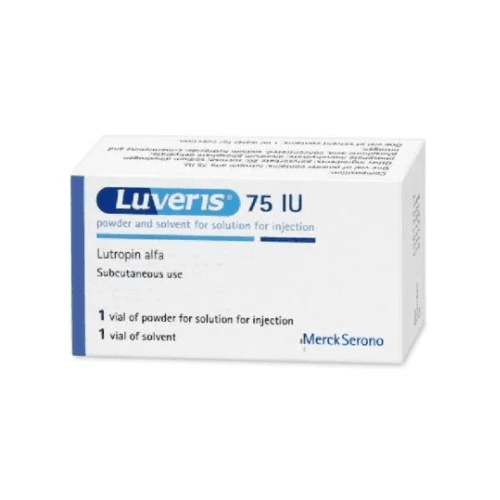
Find suitable medication for Ovulation Disorder
Book a telehealth visit to discuss Ovulation Disorder
Find a doctor
Speciality
State

Video Visit
$69

Video Visit
$69

Video Visit
$69

Video Visit
$69

Video Visit
$69

Video Visit
$69

Speciality: Dermatology, Family Medicine, Men's Health, Urgent Care, Women's health
Speaks: English, Spanish, French, Arabic, Portuguese
Video Visit
$69

Video Visit
$69

Video Visit
$69

Video Visit
$69

Video Visit
$69

Video Visit
$69
Frequently Asked Questions
What is an ovulation disorder?
An ovulation disorder describes problems with releasing an egg regularly. Some people ovulate unpredictably, while others may not ovulate at all. Clinicians may use terms like anovulation (no egg release) or irregular ovulation. Causes can include PCOS, thyroid disorders, high prolactin, or stress-related cycle suppression. A diagnosis usually considers cycle history, symptoms, and other health factors. Treatment options vary widely and depend on goals and medical history.
What symptoms can suggest irregular ovulation?
Symptoms can include unpredictable cycle lengths, very long cycles, or missed periods. Some people notice changes in bleeding amount or timing. Others report acne, hair changes, or weight shifts tied to hormone imbalance. These symptoms can overlap with many conditions, so they are not specific. A clinician will usually review the overall pattern over several cycles. New severe pain, heavy bleeding, or fainting should be treated as urgent.
What information is helpful to gather before a visit?
A short cycle timeline helps many clinicians work faster. Include first day of bleeding, cycle length, and skipped months. List all medications, supplements, and any hormones used recently. Note past pregnancies, miscarriages, or fertility treatments if relevant. Add key diagnoses like PCOS, thyroid disease, or elevated prolactin. If prior records exist, having dates and clinic names can help retrieval. This preparation supports clearer conversations and fewer repeated questions.
Do ovulation-related medications always require a prescription?
Many medications used in ovulation induction are prescription-only. A pharmacy must confirm a valid prescription before dispensing them. Requirements can differ by drug, state regulations, and pharmacy policy. Some supportive products may be nonprescription, but they do not replace clinical care. If medication is considered, a clinician decides what is appropriate. They may also set follow-up expectations based on safety considerations. Always use medications only as directed by a licensed clinician.
How does Medispress telehealth fit into ovulation care?
Medispress offers video telehealth visits with U.S.-licensed clinicians in a secure app. Clinicians make the clinical decisions, including whether treatment is appropriate. When it makes clinical sense, providers may coordinate prescriptions through partner pharmacies. This process is subject to state rules and pharmacy requirements. People may use telehealth to discuss symptoms, review prior diagnoses, or plan next steps. Cash-pay options are often available without insurance, depending on services used.