


Overweight
Care Options for Overweight
This category page covers practical information about Overweight for patients and caregivers. It explains common definitions, possible contributors, and related health concerns. It also outlines typical care paths, from habit support to medical review. Use this page to compare topics and find focused reading.
Many clinicians use body mass index (BMI) as one screening tool. BMI uses height and weight to estimate a weight category. Waist size, lab results, and health history can also matter. For adult BMI cutoffs, see this overview from CDC BMI Categories. For children and teens, clinicians often use BMI-for-age percentiles.
Overweight What You’ll Find
This collection brings together plain-language explanations and clinical context. It helps readers understand how weight categories are described in everyday care. It also highlights what often changes the plan, like blood pressure, blood sugar, or sleep.
Many people want clarity on the difference between a higher BMI and obesity. Others want to understand why weight changes can feel uneven. This page helps organize those questions, without guessing at personal medical needs.
Clinicians on Medispress are licensed in the U.S. and meet patients by video.
- Definitions and common terms used in weight discussions
- How BMI and waist measures are used, and their limits
- Common contributors, including sleep, stress, and medications
- Potential health risks and longer-term complications
- Nutrition concepts like portions, patterns, and label basics
- Physical activity ideas and realistic starting points
- What a medical evaluation can include, and why it helps
- How prescription options may be discussed in some situations
- Considerations for children, teens, and older adults
How to Choose
When comparing care paths for Overweight, start with clear definitions and goals. Some people want prevention and maintenance tools. Others want help with symptoms linked to weight changes. A clinician can help sort what matters most for a safe plan.
Clarify goals and measures
Different measures can point to different priorities. BMI gives one number, but it misses body composition and distribution. Waist size can add context, especially for cardiometabolic risk. Lab trends can also guide what gets addressed first.
- Primary goal: prevention, symptom control, or long-term risk reduction
- Measures to track: weight, waist, blood pressure, or labs
- Health history: diabetes, fatty liver disease, or sleep apnea
- Medication list, including drugs that can affect appetite or weight
- Eating pattern preferences and practical cooking constraints
- Activity limits from pain, injury, or time barriers
- Stress level, mood symptoms, and eating triggers
- Sleep schedule, snoring, and daytime fatigue patterns
- Past attempts and what felt sustainable versus disruptive
Quick tip: Bring a one-week log of meals, sleep, and activity patterns.
Think about support and follow-up
Some people do best with structured programs and regular check-ins. Others prefer a lighter-touch plan with simple milestones. Consider what kind of accountability feels supportive, not stressful. Also consider how progress will be measured beyond a scale.
Safety and Use Notes
Safety discussions matter with Overweight, even when goals seem modest. Rapid changes can worsen fatigue, dizziness, or gallbladder symptoms in some people. Supplements and “online injections” can also create avoidable risks. A clinician can review interactions and screen for conditions that change the approach.
For general medication safety alerts, the FDA Counterfeit Medicine page outlines common warning signs. These cautions apply to any prescription category. They also apply to products marketed as “just peptides” or “research only.”
- Share allergy history and past medication reactions when discussing options
- Discuss pregnancy, breastfeeding, or family planning, if relevant
- Flag a history of eating disorders or severe anxiety around food
- Review heart history, kidney disease, or liver disease before new therapies
- Ask how to handle common side effects and when to seek urgent care
- Avoid mixing multiple weight-loss products without clinical review
Why it matters: Unverified products may contain unexpected ingredients or inaccurate amounts.
Medispress clinicians make independent clinical decisions based on the medical history provided.
Access and Prescription Requirements
Access pathways for Overweight vary by need and by what is being considered. Educational support and lifestyle coaching may not require prescriptions. Prescription-only medications require a clinical evaluation and a valid prescription. Pharmacies also apply verification steps before dispensing, based on state rules.
Some patients prefer cash-pay options, often without insurance. That can simplify checkout and limit surprise billing. Coverage questions can still come up for certain prescriptions. Availability and dispensing rules can differ by location and pharmacy policies.
- A current medication list, including vitamins and over-the-counter products
- Known conditions, recent symptoms, and relevant family history
- Recent weight, height, and blood pressure readings, if available
- Recent labs, if already done, such as A1C or cholesterol panels
- Pregnancy status, when relevant to medication safety screening
- Preferred pharmacy details, when a prescription may be appropriate
When clinically appropriate, prescriptions may be coordinated through partner pharmacies, subject to state regulations.
Related Resources
Use the guides below to go deeper on common questions about Overweight care. They cover visit logistics, safety considerations, and what to expect from virtual weight-focused care. The goal is to make browsing simpler and reduce confusion around terminology.
For a broad overview of virtual care, read Telehealth For Weight Loss. If injections are part of the conversation, see Weight Loss Injections Safely for safety checks and common pitfalls. For specialty context, Telehealth Obesity Medicine explains how clinicians think about long-term weight management.
- Start with definitions, then compare lifestyle support versus medical evaluation
- Use BMI and waist measures as discussion starters, not final answers
- Keep a short history of prior approaches and what proved sustainable
- Focus on safety basics before considering any prescription pathway
This content is for informational purposes only and is not a substitute for professional medical advice.

Find suitable medication for Overweight




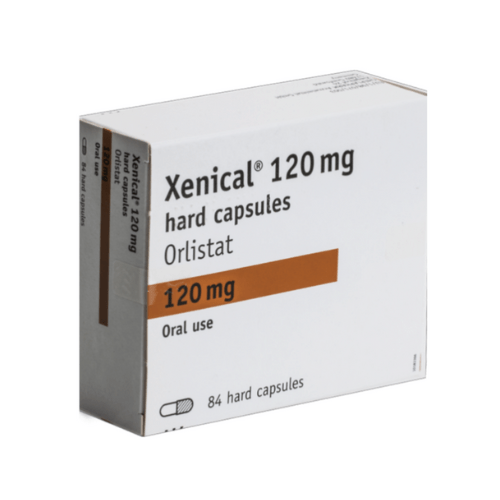
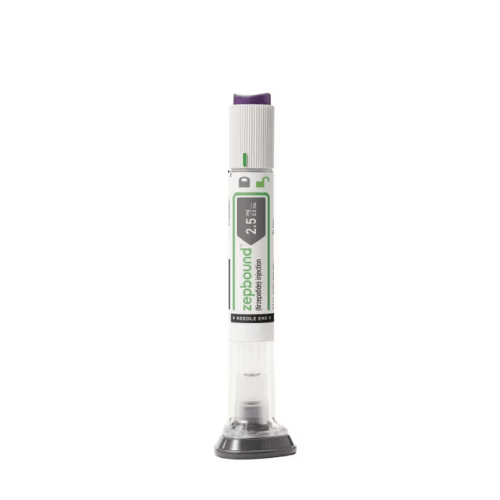
Book a telehealth visit to discuss Overweight
Find a doctor
Speciality
State

Video Visit
$69

Video Visit
$69

Video Visit
$69

Video Visit
$69

Video Visit
$69

Video Visit
$69

Speciality: Dermatology, Family Medicine, Men's Health, Urgent Care, Women's health
Speaks: English, Spanish, French, Arabic, Portuguese
Video Visit
$69

Video Visit
$69

Video Visit
$69

Video Visit
$69

Video Visit
$69

Video Visit
$69
Frequently Asked Questions
What is considered overweight on BMI?
In adults, clinicians often define the “overweight” category using BMI. BMI is a screening tool based on height and weight. A BMI from 25.0 to 29.9 is commonly used for this category. BMI does not measure body fat directly, and it can miss body composition differences. Many clinicians also review waist size, blood pressure, and lab results. A clinician can explain how these measures fit a full health assessment.
How is overweight different from obesity?
Clinicians usually separate weight categories using BMI ranges and health context. “Overweight” and “obesity” describe different BMI cutoffs in adults. Obesity generally starts at a BMI of 30.0 or higher. The categories can also affect which screening tests or treatments get discussed. Some people with the same BMI have different health risks. Factors like waist size, blood sugar, and sleep apnea symptoms can change clinical priorities.
What health risks are linked to overweight?
A higher-weight category can be linked with cardiometabolic risks over time. These can include high blood pressure, high cholesterol, and insulin resistance. Some people also have higher risk for fatty liver disease and sleep apnea. Joint pain and reflux symptoms can also occur. Risk varies by age, family history, and activity level. A clinician can help interpret risk using labs and symptoms, not weight alone.
When is a medical evaluation helpful for weight concerns?
A medical evaluation can help when weight change feels unexplained or persistent. It can also help when fatigue, snoring, irregular periods, or mood changes appear. Clinicians may review medications that can affect appetite or metabolism. They may also screen for thyroid disease, diabetes, or sleep apnea when indicated. The goal is to identify contributors that are easy to miss. Testing choices depend on history and symptoms.
How do telehealth visits work for weight-focused care?
Telehealth visits usually start with a health history and symptom review. Many services also ask for recent height, weight, and blood pressure readings. Some patients use cash-pay, often without insurance, for simpler checkout. On Medispress, visits happen by video in a secure, HIPAA-aligned app. The clinician makes the clinical decisions. When appropriate, the clinician may coordinate prescription options through partner pharmacies, following state regulations.