


Overactive Bladder
Care Options for Overactive Bladder
This category page covers Overactive Bladder basics for patients and caregivers. It focuses on urgency, frequent urination, nighttime trips, and leakage. These symptoms are often grouped under OAB symptoms in clinics. The collection also helps separate OAB vs stress incontinence patterns.
Some people notice symptoms after menopause, childbirth, or prostate changes. Others have triggers like caffeine, constipation, or certain medicines at times. Here, browsing stays practical and decision-focused for everyday life. Visits can be done by video with licensed U.S. clinicians.
Overactive Bladder What You'll Find
This browse page brings together common overactive bladder treatments and patient resources. Overactive Bladder can show up as urinary urgency and frequency during busy days. It can also include nocturia causes that interrupt sleep more often. Many people also describe urge incontinence, which is leakage after urgency.
Each item on this page is meant to support comparisons and planning. Some listings focus on symptom tracking, like bladder diary tracking over several days. Others focus on daily routines, like fluid and caffeine management and timed bathroom breaks. There may also be overviews of bladder training techniques and pelvic floor exercises.
Why it matters: A clear symptom pattern can speed up the conversation today.
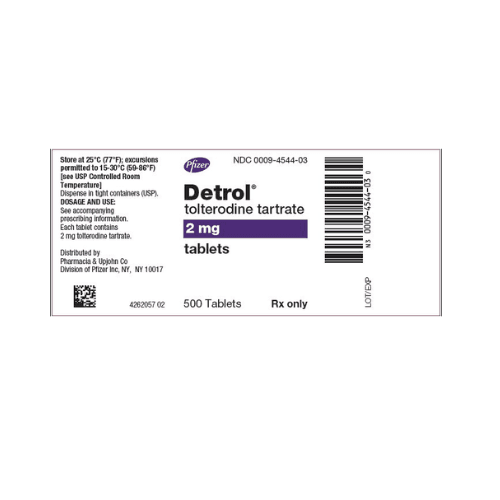
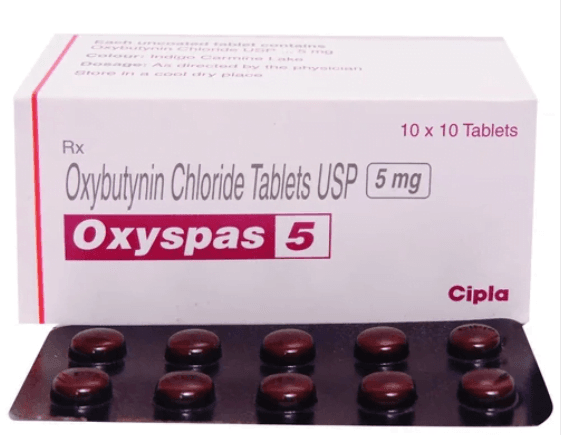
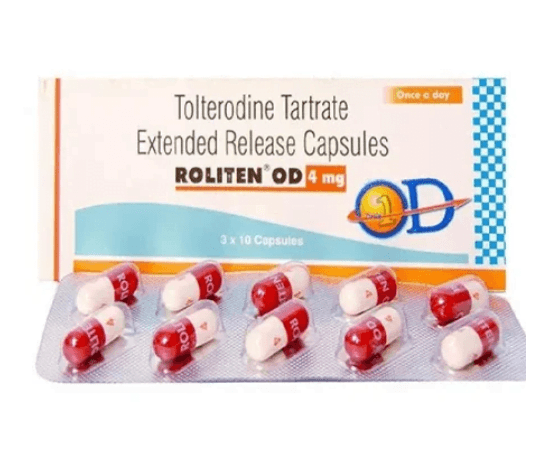
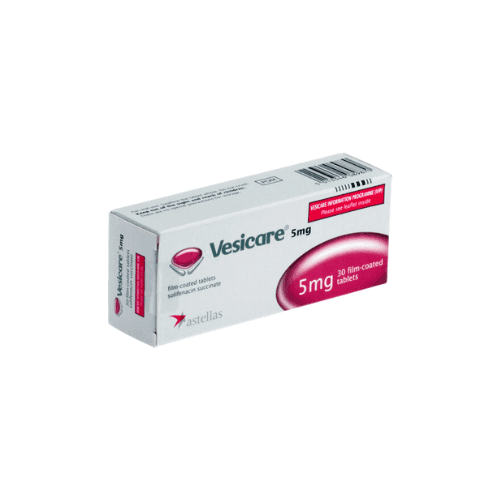
Medication and procedure information may also appear in this collection. Examples can include overactive bladder medications and what to ask about side effects. Some pages discuss antimuscarinic side effects in plain language for easier review. Others may mention a beta-3 agonist mirabegron as a medication class example. For some people, care discussions also include botox for overactive bladder or nerve options.
- Symptom and trigger checklists for urgency and leakage patterns
- Tracking ideas, including bladder diary templates and timing notes
- Non-drug options, including Kegel exercises for OAB and routines
- Medication class explainers, including common side effects to review
- Procedure overviews, such as tibial nerve stimulation and next steps
- Care navigation topics, including when to see a urologist
How to Choose
Different resources help with different parts of living with OAB symptoms. Some people start with tracking and routine changes first. Others prefer medication background before a clinician discussion. The most useful picks usually match the main daily problem.
Match the resource to the main symptom
Focus on the symptom that drives the most disruption. For sleep, look for guidance on managing OAB at night. For leakage, look for urge incontinence terminology and common patterns. For mixed symptoms, compare materials that explain overlap and limits.
- Symptom pattern fit, including urgency, frequency, or nighttime trips
- Relevant context, including overactive bladder in women or in men
- Life stage notes, including OAB after menopause discussion points
- Tracking support, including reminders and simple diary layouts
- Plain-language explanations of treatment types and common tradeoffs
- Questions to ask, especially for side effects and follow-up plans
Quick tip: Use phone notes to track timing, drinks, and urgency levels.
Plan for follow-up and next steps
Many resources work best when they help prepare clear questions. Look for materials that define terms and avoid hard promises. Helpful pages also explain when specialist care may be useful. Examples include a urogynecologist for OAB or a urologist visit.
Safety and Use Notes
For Overactive Bladder, safety planning often starts with symptom context. Urgency and frequency can have several causes beyond OAB. Some symptoms can point to infection, obstruction, or other concerns. In those cases, prompt evaluation may be important.
Medication summaries are helpful for vocabulary and expectations. They are not a substitute for clinical decision-making. Clinicians make the medical decisions, based on the visit details. When reviewing side effects, consider other conditions and current medications.
- Ask how to tell OAB vs stress incontinence from symptom timing
- Review common antimuscarinic side effects like dry mouth and constipation
- Discuss blood pressure history when reading about mirabegron class drugs
- Note any trouble emptying the bladder, especially with new symptoms
- Bring up blood in urine, fever, or new pelvic pain right away
For a plain-language overview, see NIDDK Overactive Bladder. For a symptom checklist and care overview, see Mayo Clinic Overactive Bladder.
Access and Prescription Requirements
Some options in this collection may involve prescription medications. When prescriptions are part of Overactive Bladder care, requirements can vary by state. A licensed clinician must evaluate symptoms before any prescription is considered. Pharmacies also confirm prescription validity before dispensing.
This platform supports cash-pay access, often without insurance, for eligible services. Some items may be informational only, while others involve a visit workflow. When clinically appropriate, prescriptions may be coordinated through partner pharmacies, following state rules.
- Prescription status, including whether an in-app visit is required
- Basic identity and eligibility checks when required by pharmacies
- State-based limits that can affect medication availability
- Clear documentation of current medications and allergies when scheduling
- Follow-up expectations for side effects, symptom changes, or refills
Related Resources
If Overactive Bladder symptoms overlap with other health priorities, planning still helps. General telehealth preparation skills can carry across many conditions. For an example of remote-care planning, see How To Treat Eczema. It can help set expectations for sharing history and tracking changes.
This content is for informational purposes only and is not a substitute for professional medical advice.

Find suitable medication for Overactive Bladder




Book a telehealth visit to discuss Overactive Bladder
Find a doctor
Speciality
State

Video Visit
$69

Video Visit
$69

Video Visit
$69

Video Visit
$69

Video Visit
$69

Video Visit
$69

Speciality: Dermatology, Family Medicine, Men's Health, Urgent Care, Women's health
Speaks: English, Spanish, French, Arabic, Portuguese
Video Visit
$69

Video Visit
$69

Video Visit
$69

Video Visit
$69

Video Visit
$69

Video Visit
$69
Frequently Asked Questions
What is the difference between OAB and stress incontinence?
OAB often refers to urgency, frequent urination, and nighttime urination patterns. Stress incontinence usually means leakage with coughing, laughing, or lifting. Some patients have a mixed picture, which can change the plan. Symptom timing, triggers, and bladder emptying concerns can help clarify the pattern. A clinician may also review medications and medical history to rule out other causes.
What information is helpful to gather before scheduling a visit?
A short symptom log often makes visits more efficient. Helpful details include timing of urgency, number of bathroom trips, and nighttime awakenings. Notes about fluid intake, caffeine, constipation, and new medications can add context. A list of current medicines, allergies, and key conditions is also useful. If there is blood in urine, fever, or new pelvic pain, include that information clearly.
What types of treatments are commonly discussed for overactive bladder symptoms?
Care discussions often include more than one option. Non-drug approaches may include bladder training and pelvic floor exercises, such as Kegels. Lifestyle topics can include fluid timing and caffeine review. Medication options may include antimuscarinic medicines or beta-3 agonists, depending on patient factors. For persistent symptoms, clinicians may discuss procedures like bladder Botox or nerve stimulation, plus referral pathways.
When is it reasonable to see a urologist or urogynecologist?
Specialist care may be helpful when symptoms persist despite first steps. It can also help when symptoms are complex or changing quickly. Examples include new trouble emptying the bladder, recurrent infections, or prior pelvic surgery history. Blood in urine, fever, or significant pelvic pain should be assessed promptly. A specialist may also help when neurologic conditions or prolapse concerns affect bladder symptoms.
How can Medispress support people exploring OAB options?
Medispress supports online access to licensed U.S. clinicians through video visits in a secure app. Clinicians review symptoms and make all clinical decisions during care. When appropriate, providers may coordinate prescription options through partner pharmacies, depending on state rules. The platform can also support cash-pay access, often without insurance, where available. Product and condition pages can help with planning questions and comparing options.
Which symptoms should be treated as urgent?
Some symptoms deserve prompt evaluation because they may signal other problems. Examples include blood in urine, fever, chills, or new significant pelvic or back pain. Inability to urinate, severe weakness, or confusion can also be urgent. Sudden symptom changes after starting a new medication should be reported quickly. When symptoms feel severe or unsafe, urgent care or emergency services may be needed.