



Care Options and Resources for Oral Lichen Planus
Oral Lichen Planus (OLP) is a long-lasting inflammatory condition affecting oral mucosa. It may look like lacy white lines, red patches, or painful sores. Some people notice burning, sensitivity, or rough areas when eating. This category page supports browsing and learning for patients and caregivers. It gathers practical terms, care pathways, and access basics in one place.
Many resources discuss possible causes, triggers, and the immune link (autoimmune means immune activity plays a role). They also explain how clinicians document mouth lesions and confirm a diagnosis. Photos can help track change, but images cannot replace an exam. For broader topics, browse the Oral Health collection for related guidance.
Oral Lichen Planus What You’ll Find
This browse page brings together condition-aligned information and navigation to relevant listings. It focuses on clear definitions and common comparisons that come up in clinics. Expect plain-language explanations paired with clinical terms, so notes feel easier to follow. Many people also compare related mouth inflammation topics across conditions.
Some items focus on how clinicians describe patterns, like reticular (lace-like) changes. Others cover erosive (ulcer-like) or atrophic (thinned tissue) appearances. Several resources also discuss differential diagnosis, including look-alikes such as leukoplakia. For nearby topics, the Oral Inflammation collection can help with wider context.
- Symptom and location terms, including tongue and buccal mucosa notes
- Common causes and triggers discussed in patient information materials
- How diagnosis is documented, including pictures and biopsy language
- High-level treatment categories, including topical prescription options
- Administrative access notes for visits, prescriptions, and verification
Quick tip: Keep a dated list of foods, products, and flare patterns.
Visits happen by video with licensed U.S. clinicians.
How to Choose
When browsing Oral Lichen Planus materials, start with what needs clarification. Some people want terminology help, while others need next-step planning. This page is most useful when the goal is comparison and preparation. It works well alongside dental or oral medicine clinic follow-up.
Match descriptions to what is being seen
- Location notes: tongue, gums, inner cheeks, or lips
- Appearance details: white lace, smooth red areas, or open erosions
- Symptom pattern: soreness, burning, or sensitivity with spicy foods
- Timing: steady changes versus flares and remissions
- Possible medication links, including oral lichenoid reaction discussions
Some resources compare look-alikes, which helps reduce confusion. Cold sores often cluster and crust, which differs from chronic mucosal disease. For that comparison, see Cold Sores What Works for general context. A clinician may still need an exam to sort similar conditions.
Bring the right context to a clinician
- Current medication list, including recent starts and dose changes
- Dental work history, including new fillings, crowns, or mouthguards
- Oral care products used, like rinses, whitening, or strong flavors
- Photos taken in consistent lighting, if available
- Key questions, including “What else is in the differential diagnosis?”
Safety and Use Notes
For Oral Lichen Planus, safety discussions usually focus on persistence and monitoring. Many mouth lesions look similar at first glance, even to professionals. Clinicians may recommend follow-up exams to document change over time. Some cases call for an oral lichen planus biopsy (a small tissue sample) to confirm findings.
Some resources also mention oral lichen planus malignant potential, which is why monitoring matters. Risk varies by lesion type and individual history, so general numbers can mislead. For clinical background on oral mucosal disease, see the American Academy Of Oral Medicine. For broader lichen planus context, see MedlinePlus Lichen Planus.
- Get prompt evaluation for bleeding, rapid growth, or a firm lump
- Seek care for trouble swallowing, breathing changes, or severe dehydration
- Ask about biopsy if lesions are atypical, persistent, or one-sided
- Review medication risks if immunosuppressants are discussed
- Discuss oral hygiene comfort measures without changing prescriptions independently
Why it matters: Persistent mouth changes can signal conditions needing different follow-up.
Appointments run in a secure, HIPAA-compliant app.
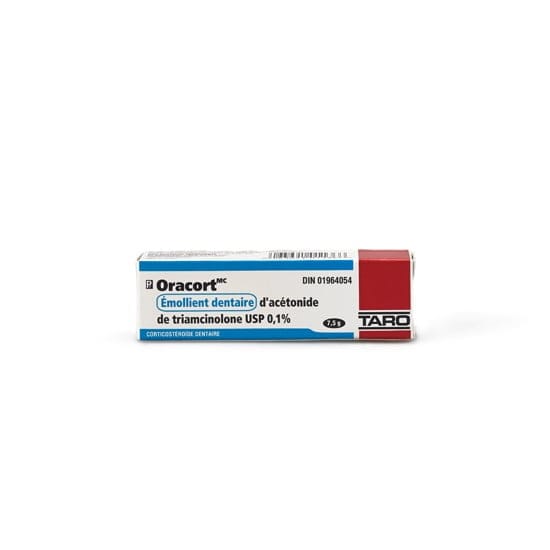
Treatment discussions may include a topical steroid for oral lichen planus, prescribed when appropriate. These medicines can have side effects, including irritation or yeast overgrowth. That is why follow-up and clear instructions matter. Resources here stay high-level and do not replace individualized care planning.
Access and Prescription Requirements
Oral Lichen Planus treatment options range from comfort measures to prescription therapy. Some options require a prescription, while others are over-the-counter supportive care. When prescriptions are involved, pharmacies typically require standard verification steps. This includes confirming the prescriber, the patient, and the medication directions.
Medispress supports cash-pay access, often without insurance, when available. Coverage rules vary widely, and requirements can change by state. If a clinician determines medication is appropriate, prescription coordination may occur through partner pharmacies, where allowed. Some situations still require in-person dental evaluation for a full exam.
- Have an up-to-date medication list, allergies, and key medical history
- Expect identity and address checks for regulated prescriptions
- Plan for follow-up if symptoms change or lesions persist
- Ask how refills are handled and what documentation is needed
- Keep pharmacy contact details available for coordination questions
When appropriate, clinicians can route prescriptions through partner pharmacies.
Related Resources
This collection connects Oral Lichen Planus browsing with practical next reads. For visit preparation, start with Prepare For Telehealth Appointment. For a general walkthrough, see Virtual Visits What To Expect. For safety online, review Telehealth Scam Safety to recognize red flags.
Some people also compare platforms while planning care logistics. The page Doctor On Demand Notes can help frame common access questions. General wellness topics can also support comfort and hydration habits. For that angle, see Hydration Simple Steps.
Because immune-related conditions can overlap in conversations, it can help to see other examples. The guide Psoriatic Arthritis Care explains common medication categories and follow-up concepts. Use these resources to build clearer questions for clinicians. The goal is organized information, not self-diagnosis.
This content is for informational purposes only and is not a substitute for professional medical advice.

Find suitable medication for Oral Lichen Planus
Book a telehealth visit to discuss Oral Lichen Planus
Find a doctor
Speciality
State

Frequently Asked Questions
What will I find on the Oral Lichen Planus page?
This page is a browsing collection focused on practical, patient-friendly information. It highlights common terms, lesion patterns, and how diagnosis is discussed. It also points to related oral health resources and visit-prep guidance. Some content covers how clinicians document symptoms, consider different diagnoses, and decide when follow-up is needed. Administrative notes may also appear, including when prescriptions require verification through licensed pharmacies.
What symptoms are commonly discussed for Oral Lichen Planus?
Resources often describe lacy white patches, red irritated areas, or sore erosions inside the mouth. Burning or sensitivity with acidic or spicy foods is also commonly mentioned. Lesions may appear on the inner cheeks, gums, or tongue. Many other conditions can look similar, including leukoplakia and medication-related oral lichenoid reactions. Because appearance overlaps, clinicians often focus on history, distribution, and persistence over time.
When is an oral lichen planus biopsy used?
A biopsy is a small tissue sample examined under a microscope. Clinicians may consider it when mouth lesions are persistent, atypical, or difficult to classify by exam alone. It can help confirm lichen planus and check for changes that require different follow-up. Biopsy decisions often consider lesion type, ulceration, one-sided findings, and prior history. Timing and setting vary, and an in-person oral exam is typically needed.
Can telehealth help with mouth lesions?
Telehealth can support an initial review of symptoms and medical history. A clinician may discuss likely possibilities and explain what findings would change the differential diagnosis. Clear, well-lit photos can sometimes help describe the pattern, but they do not replace an oral exam. Many mouth conditions need a dentist or oral medicine clinician for confirmation. If severe pain, swelling, or trouble swallowing is present, urgent in-person evaluation may be required.
How do prescriptions and verification work on Medispress?
Medispress connects patients with licensed U.S. clinicians for video visits in a secure app. Clinicians make all medical decisions, including whether a prescription is appropriate. When medication is prescribed, pharmacies generally verify the prescription and patient details before dispensing. In some cases, clinicians may coordinate prescription fulfillment through partner pharmacies, depending on state rules. Cash-pay access is often available without insurance, but requirements vary by medication and location.

