
Care Options for Oral Inflammation
Oral Inflammation can describe soreness, redness, or swelling inside the mouth. It may affect gums, tongue, cheeks, lips, or the roof of mouth. People often notice bleeding gums, mouth ulcers, or tender oral lesions. This category page helps patients and caregivers compare common causes and next steps.
Some cases relate to dental plaque inflammation and gingivitis symptoms. Others link to oral mucositis (inflamed mouth lining), stomatitis (mouth inflammation), or canker sores. Irritation from appliances, dry mouth, and infections can also play roles. For broader oral care topics, browse Oral Health for additional reading.
Oral Inflammation What You’ll Find
This browse page brings together condition-aligned resources and access notes in one place. It focuses on common patterns like inflamed gums, swollen gums, or a sore tongue. It also covers symptom clusters that can suggest gum inflammation versus scattered mouth ulcers.
Expect practical comparisons, not one-size-fits-all instructions. For example, some people look for information on rinses and topical options. Others need clarity on when periodontal inflammation needs dental care. For a broader view of inflammation topics, see Inflammation for related collections.
- Common oral inflammation causes, including irritants and infections
- Signs that point to gingival inflammation or oral swelling
- High-level care pathways, including dental versus medical evaluation
- Notes on OTC versus prescription-only options, where applicable
- Links to related categories and guides for deeper background
Visits take place by video with licensed U.S. clinicians.
How to Choose
Oral symptoms can look similar across many conditions. A structured comparison helps narrow what information matters most. Use the page to match symptoms to the most relevant resources and requirements.
Match the Location and Pattern
When browsing Oral Inflammation options, note where changes appear and how they spread. Localized gum tenderness can differ from palate inflammation or buccal mucosa inflammation. Angular cheilitis often shows at the mouth corners, not on gums. Tongue inflammation can also come with taste changes or burning sensations.
- Location: gums, tongue, cheeks, palate, or lips
- Appearance: ulcers, patches, cracks, or diffuse redness
- Timing: sudden onset, recurring flares, or slow worsening
- Triggers: spicy foods, new dental products, or recent dental work
- Bleeding: note bleeding gums causes like brushing irritation versus spontaneous bleeding
- Pain level: mild irritation versus severe pain limiting eating
- Other symptoms: fever, swollen neck nodes, or facial swelling
- Medical context: immune conditions, cancer therapy, or recent antibiotics
Quick tip: For telehealth reviews, upload well-lit photos from several angles.
Plan for Dental Versus Medical Care
Gingivitis treatment and periodontal concerns often need dental evaluation and cleaning. Mouth ulcers and sore mouth causes may involve medical triggers or medications. Some oral infection signs overlap with dental abscess symptoms. When uncertainty remains, a clinician can help triage the right setting.
Sleep and stress can amplify pain perception and inflammation awareness. For supportive routines that may help with recovery comfort, see Better Sleep Habits. For general navigation across swelling and pain topics, browse Pain And Inflammation.
Safety and Use Notes
Mouth inflammation can hide problems that need prompt evaluation. Persistent bleeding, worsening swelling, or spreading pain deserve attention. Delays can matter when infection or airway risk is possible.
Some products can irritate sensitive tissues, especially during oral mucositis. Alcohol-containing rinses may sting, and strong flavors can burn inflamed areas. People with medication allergies should check inactive ingredients and flavorings. For a neutral overview of gum disease basics, see the American Dental Association gum disease overview.
- Emergency evaluation is appropriate for trouble breathing or swallowing
- Seek urgent care for fast-spreading facial or neck swelling
- High fever, severe weakness, or dehydration needs prompt assessment
- New oral lesions with bleeding that will not stop need evaluation
- Severe pain with pus, bad taste, or foul drainage can signal infection
- Ulcers lasting over two weeks often warrant dental or medical review
Why it matters: Mouth swelling can progress quickly when infection drives it.
Our secure app is built to meet HIPAA privacy standards.
For general information on mouth sores, see the MedlinePlus mouth sores page. It outlines common triggers and when evaluation may be needed. It does not replace personalized clinical assessment.
Access and Prescription Requirements
Some options for mouth irritation sit on retail shelves, while others require a prescription. Prescription verification and licensed dispensing apply when medications fall under Rx rules. The right pathway depends on symptoms and what a clinician observes.
For Oral Inflammation concerns, a clinician may ask for close-up photos and symptom details. Documentation can include onset date, recent dental work, and current medications. If a dental cause seems likely, an in-person dentist visit may be recommended. If a medical cause seems likely, telehealth can support next-step planning.
Cash-pay access is available on a self-pay basis, often without insurance. Availability of prescription options can vary by state rules and clinical appropriateness. For visit logistics and preparation, review Prepare For Telehealth Appointment before scheduling.
When appropriate, prescriptions can be coordinated through partner pharmacies under state rules.
Related Resources
Some mouth symptoms connect to broader inflammatory conditions or distinct diagnoses. Use the links below to compare nearby topics and understand terminology. For broader context around Oral Inflammation, these pages can help with navigation.
- Oral Lichen Planus for a condition-specific collection
- Eye Inflammation for another inflammation site and related terms
- Benefits Of Hydration for general wellness context
It can also help to keep a short symptom timeline for appointments. Note any new products, recent illness, or mouth injuries. If mouth ulcers recur, track frequency and triggers for clearer history.
This content is for informational purposes only and is not a substitute for professional medical advice.

Find suitable medication for Oral Inflammation
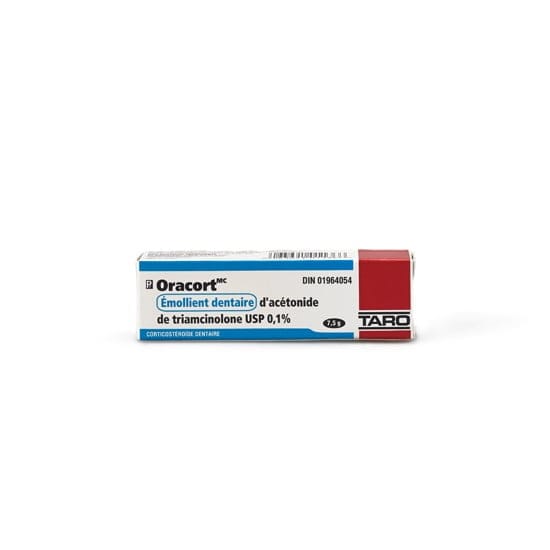
Book a telehealth visit to discuss Oral Inflammation
Find a doctor
Speciality
State

Frequently Asked Questions
What does this category page include?
This category page groups together resources related to inflammation inside the mouth. It may include overviews of common causes, safety notes, and access details for prescription-only items. It also links to related Medispress categories and guides for deeper reading. The goal is to support browsing and planning, not to diagnose. A licensed clinician or dentist should evaluate persistent or severe symptoms.
When should gum swelling be checked by a dentist?
Dental evaluation is often appropriate when gum swelling comes with bleeding, loose teeth, pus, or bad breath that persists. It also matters when pain follows dental work or a broken tooth. Swelling that spreads to the face, jaw, or neck needs urgent assessment. Symptoms lasting more than two weeks also deserve review. A dentist can check for plaque-related disease, abscesses, and other structural causes.
Can telehealth help with mouth sores or inflamed gums?
Telehealth can help with initial triage, history review, and deciding next steps. It works best when clear photos and a symptom timeline are available. Some problems still need in-person dental exams, imaging, or cleanings. If a prescription is clinically appropriate, a clinician may coordinate options through partner pharmacies, following state regulations. Telehealth should not replace emergency care for severe swelling or breathing problems.
Do I need a prescription for oral inflammation medications?
Many comfort measures are available over the counter, such as gentle rinses and some topical products. Other treatments are prescription-only, including certain anti-infective or anti-inflammatory medications. Prescription rules also depend on the specific drug and state requirements. Licensed dispensing and prescription verification apply for Rx items. A clinician decides whether a prescription is appropriate after reviewing symptoms, history, and safety considerations.
What information helps a clinician review mouth inflammation?
Helpful information includes the symptom start date, the exact location in the mouth, and whether sores or swelling move or spread. Photos taken in good lighting can clarify size and pattern. A list of current medications, allergies, and recent antibiotics also matters. Recent dental work, new oral products, smoking or vaping, and immune conditions can change the differential. This context helps a clinician decide on safe next steps.