


Opioid Use Disorder
Care Options for Opioid Use Disorder
Opioid Use Disorder can affect health, relationships, and daily routines. This category page helps patients and caregivers browse care and education. It covers common treatment approaches, safety basics, and recovery supports. Use it to compare options and plan conversations with clinicians.
Many people also call this opioid addiction or OUD today. The listings and resources here focus on practical next steps. Medispress uses a secure, HIPAA-compliant app for patient video visits. The page also explains common terms and care pathways.
Opioid Use Disorder What You’ll Find
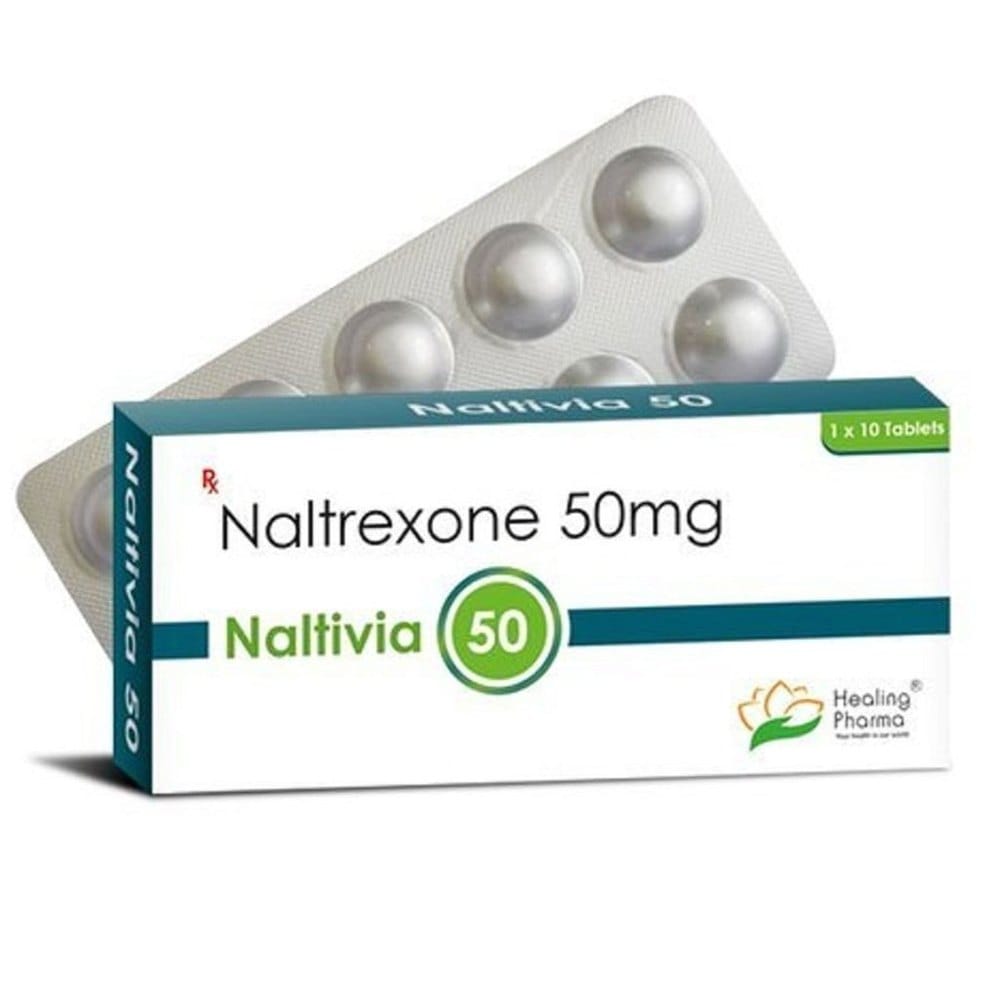
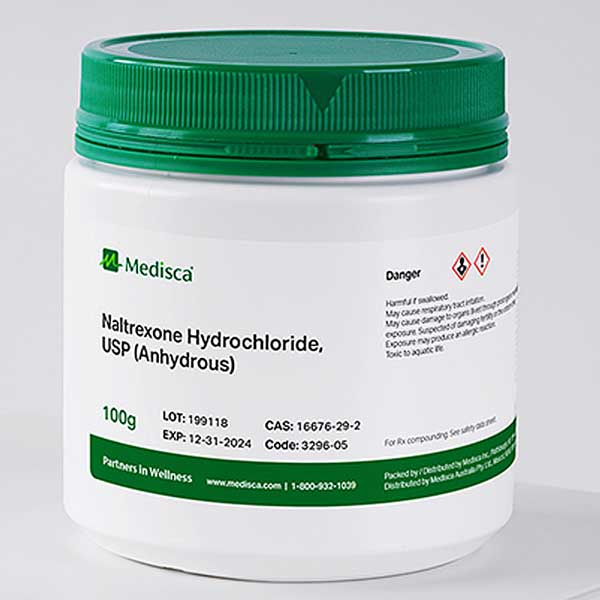
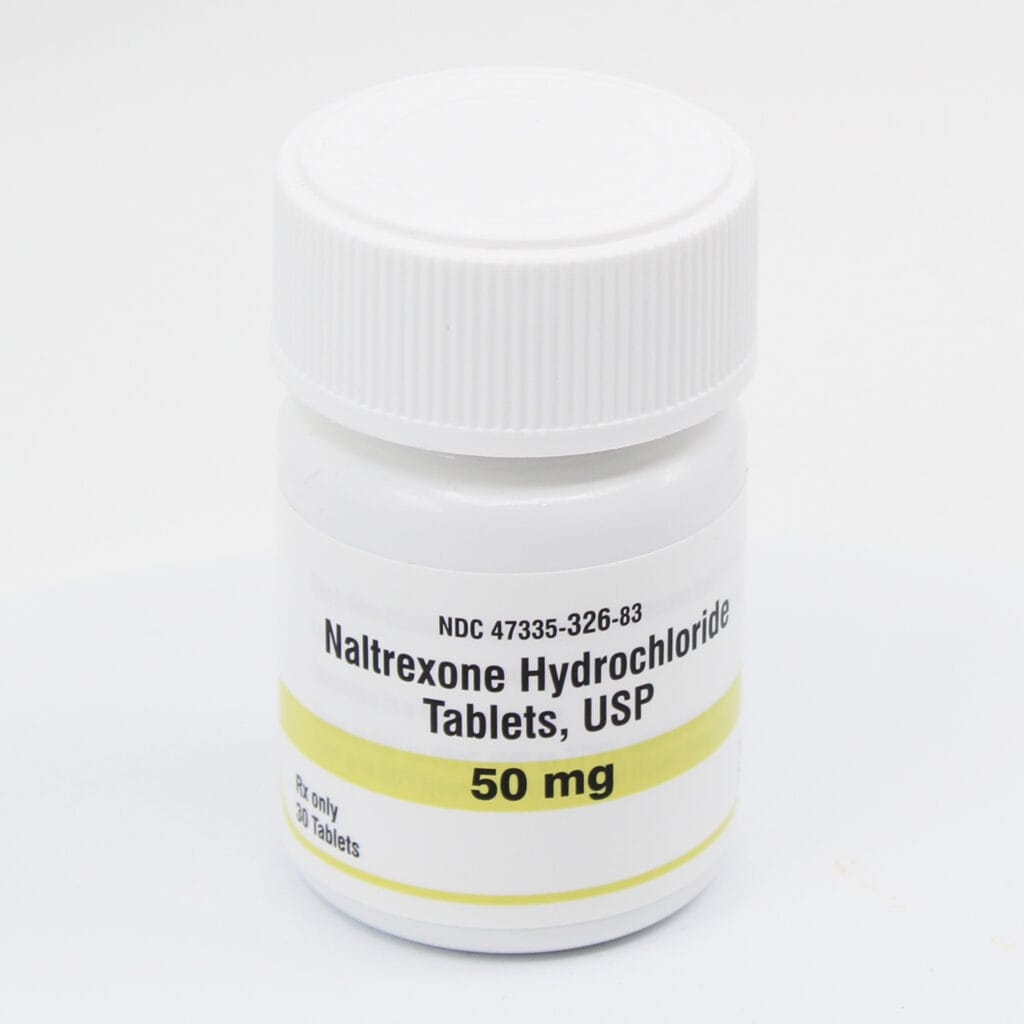
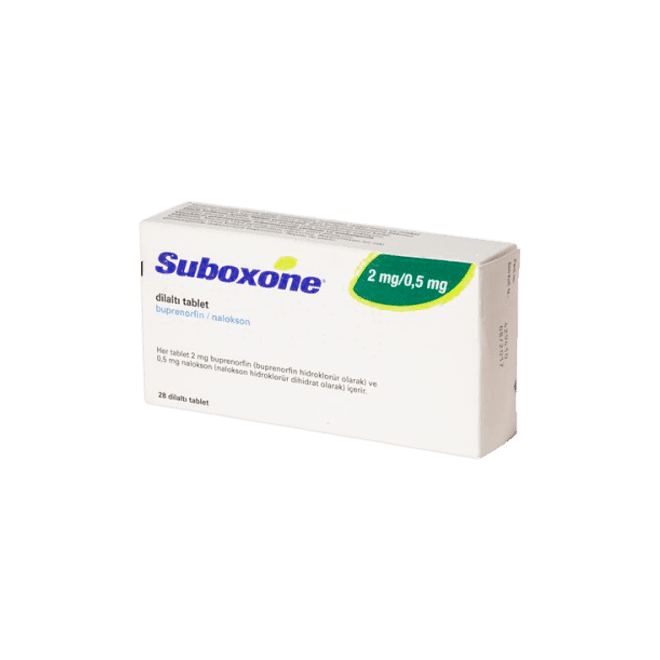
This collection brings together pages related to opioid dependence and recovery planning. It may include information on medication-assisted treatment (medications plus counseling) and support services. Some pages explain common medicines like buprenorphine for OUD, methadone maintenance therapy, and naltrexone for opioid dependence.
Listings often summarize what a medication or service is for in plain language. They may also note key cautions, monitoring topics, and common administrative steps. Educational resources may cover signs of opioid dependence, screening and diagnosis of OUD, and ways clinicians assess risk.
Many patients also need help with mental health, sleep, or chronic pain. Resources may discuss co-occurring disorders and OUD, stigma reduction in OUD, and recovery supports. Some pages also address pregnancy and opioid use disorder and adolescent opioid use disorder.
- Medication names and general use categories
- Plain-language explanations of withdrawal and cravings
- Behavioral therapies, including CBT and contingency management
- Harm reduction and overdose prevention topics
- Links to related condition collections and reading
How to Choose
People compare options based on goals, safety needs, and daily routines. This page supports that comparison by keeping key terms in one place. It can also help caregivers follow the same plan language.
Compare Care Components
- Whether care includes medication, counseling, or both
- How the plan addresses cravings, triggers, and high-risk situations
- Whether it mentions support groups for opioid recovery
- How it accounts for co-occurring anxiety, depression, or PTSD symptoms
- Whether it includes recovery resources for OUD beyond medication
Plan For Logistics
- Whether a resource describes telehealth OUD care or in-person settings
- How prescription requirements are described, including verification steps
- Whether cash-pay options exist, often without insurance, for some services
- How follow-up and coordination are described in general terms
- What caregivers may need to know about privacy and consent
Quick tip: Keep current medications and allergies saved in your account before scheduling.
When a clinician evaluates Opioid Use Disorder, they often review history and current risks. Helpful discussion topics include past treatment experiences, triggers, and support at home. Many plans combine counseling with behavioral therapies for OUD, such as cognitive behavioral therapy (CBT, skills-based talk therapy). Contingency management (reward-based support) may also appear in some programs.
When browsing Medispress, use linked pages to compare terminology across resources. It may help to note which pages mention chronic pain and opioid tapering. Safe opioid tapering guidance is often individualized by a clinician. This page can support organized questions without giving medical instructions.
Safety and Use Notes
Opioids affect breathing and can interact with other sedating medicines. Mixing opioids with alcohol or sedatives can raise overdose risk. Safety conversations often include sleep, mental health, and other prescriptions.
Clinicians make the clinical decisions for each visit and situation. Safety topics matter even when Opioid Use Disorder care feels stable. Programs may also discuss naloxone (opioid overdose reversal medicine) access and training.
- Common opioid withdrawal symptoms, like sweating, nausea, and anxiety
- How a detox timeline can vary by opioid type and use pattern
- Overdose warning signs, including slowed breathing and unresponsiveness
- Higher-risk times, such as after a period of abstinence
- Special considerations for pregnancy, adolescents, and older adults
- Staying alert to fentanyl exposure risk in illicit drug supplies
Why it matters: Suspected overdose needs emergency help, even if recovery seems possible.
For overdose prevention basics, review CDC Overdose Prevention guidance. For more background reading, browse the Opioid Overdose collection. These resources can clarify terms used in safety planning.
Access and Prescription Requirements
Some supports for opioid addiction involve prescription medicines, while others do not. Prescription items require review by a licensed clinician and dispensing through a licensed pharmacy. Certain treatments, including some methadone services, may require regulated in-person settings.
This section focuses on practical access questions and common paperwork concerns. It may help explain what information a clinician often reviews first. It also sets expectations for coordination between care and pharmacy services.
- Whether the option is prescription-only or informational support
- Common documentation needs, like medication lists and medical history
- Pharmacy pickup requirements that can include photo identification
- How refill timing rules can limit early fills for controlled medications
- How care teams handle medication interactions and side-effect concerns
When appropriate, providers may coordinate prescriptions through partner pharmacies, following state regulations.
Some people seek OUD care without insurance and prefer cash-pay options. Availability can vary by medication, pharmacy, and local rules in practice. For opioid-related constipation concerns, the Opioid-Induced Constipation page offers focused background information.
For program-level treatment navigation, see SAMHSA FindTreatment for general directories. This can be useful when comparing different care settings. It can also help caregivers understand what services exist beyond prescriptions.
Related Resources
Recovery often overlaps with sleep, mood, and stress symptoms. Related collections can help compare overlapping needs and care terms. Browse Alcohol Use Disorder for substance-use context, and Behavioural Disorders for broader therapy topics. Some people also explore Posttraumatic Stress Disorder when trauma symptoms complicate recovery.
These pages can make language clearer for shared decision-making. For Opioid Use Disorder, tracking questions over time can reduce stress. Many people keep notes on triggers, side effects, and support options. This can help visits stay focused and practical.
This content is for informational purposes only and is not a substitute for professional medical advice.

Find suitable medication for Opioid Use Disorder


Book a telehealth visit to discuss Opioid Use Disorder
Find a doctor
Speciality
State

Video Visit
$69

Video Visit
$69

Video Visit
$69

Video Visit
$69

Video Visit
$69

Video Visit
$69

Speciality: Dermatology, Family Medicine, Men's Health, Urgent Care, Women's health
Speaks: English, Spanish, French, Arabic, Portuguese
Video Visit
$69

Video Visit
$69

Video Visit
$69

Video Visit
$69

Video Visit
$69

Video Visit
$69
Frequently Asked Questions
What is opioid use disorder?
Opioid use disorder is a medical condition involving ongoing opioid use despite harm. Clinicians may look for signs like cravings, loss of control, and withdrawal. People may also use terms like opioid addiction or OUD. Severity can vary from mild to severe. A diagnosis usually considers patterns over time, not one event. If safety concerns exist, a licensed clinician can help review options.
What types of treatment options are used for OUD?
OUD treatment options often combine medical and behavioral supports. Medication-assisted treatment for OUD may include medicines like buprenorphine, methadone, or naltrexone. Many plans also use counseling and recovery supports. Behavioral therapies can include CBT (skills-based talk therapy). Some programs use contingency management (reward-based support). Harm reduction for opioids and overdose prevention strategies may also be discussed.
Can telehealth be used for opioid use disorder care?
Telehealth can support parts of OUD care, depending on clinical needs. Video visits can help with history review, education, and follow-up planning. Some prescriptions have special rules that affect access. In some cases, in-person services remain necessary. Medispress telehealth visits are conducted by licensed U.S. clinicians. The clinician decides what care is appropriate for each situation.
What are common opioid withdrawal symptoms?
Opioid withdrawal symptoms can feel like a severe flu plus anxiety. People may report sweating, nausea, diarrhea, muscle aches, and insomnia. Symptoms and timing vary by opioid type and use pattern. Withdrawal can also increase relapse and overdose risk in some situations. Severe symptoms, dehydration, or confusion need urgent medical evaluation. A clinician can help explain what is typical and what is concerning.
How can I use this page to compare resources and next steps?
Use this category page to scan topics, then open the most relevant pages. Look for sections that explain safety, access requirements, and support options. Compare how each resource explains medications versus counseling services. Use related condition links when sleep, mood, or trauma symptoms overlap. If the platform offers scheduling links, you can review key points first. Keep a short question list for a future clinician visit.