


Opioid Overdose
Care Options for Opioid Overdose
Opioids can cause dangerous breathing slowing, sometimes called opioid poisoning. This category page focuses on Opioid Overdose information and practical resources. It is written for patients, families, and other caregivers. It also helps with browsing related care topics on Medispress. Content here supports recognition, response planning, and post-event follow-up. It does not replace emergency care or clinician guidance.
Medispress appointments are video visits with licensed U.S. clinicians.
Opioid Overdose What You’ll Find
This collection brings together key topics that often come up after an overdose scare. It covers recognizing opioid overdose and understanding common risk situations. It also highlights where naloxone fits, including Narcan use instructions basics. The goal is to make browsing simpler during a stressful moment.
Expect plain-language explanations alongside clinical terms that clinicians use. For example, respiratory depression (slowed breathing) is a core concern. Many people also search for fentanyl overdose information and heroin overdose signs. Others want clarity on prescription opioid risks, especially after surgery or injury.
- Signs and symptoms to watch for, including breathing and pinpoint pupils
- High-level opioid overdose first aid concepts and emergency response basics
- Context on opioids, tolerance changes, and mixing opioids with alcohol risks
- Navigation to related condition collections and educational reads
How to Choose
Not every resource is useful in the same moment. Some items help with emergency readiness, while others support follow-up planning. Opioid Overdose resources are easiest to compare using a few consistent questions. Focus on clarity, accuracy, and how quickly information can be used.
For emergency readiness
- Look for clear opioid overdose symptoms descriptions, using everyday terms
- Check whether content separates overdose from opioid withdrawal after overdose
- Prioritize response steps that emphasize calling 911 and local guidance
- Confirm naloxone language points back to the product label instructions
For longer-term planning
- Review opioid overdose risk factors, including tolerance after periods without opioids
- Look for harm reduction strategies that avoid stigma and blame
- Consider safe opioid storage and disposal guidance for shared households
- Use opioid overdose myths and facts pages to correct common misunderstandings
Quick tip: Keep key phone numbers and addresses saved for quick access.
Safety and Use Notes
Suspected overdose is a medical emergency, even when the cause seems clear. Opioid Overdose can look like deep sleep at first glance. Common warning signs include slowed or stopped breathing and poor responsiveness. Some people also notice blue or gray lips, depending on skin tone. These are signs to treat as urgent.
Call 911 right away when overdose is suspected. Many areas have Good Samaritan laws that can protect callers. Legal protections vary, so local information helps. Naloxone for opioid overdose may reverse effects temporarily in some cases. Follow the package instructions and any training from local programs.
Appointments run in a secure, HIPAA-compliant mobile app.
Why it matters: Fentanyl can appear in unexpected drug supplies.
- Avoid mixing sedatives, including alcohol, with any opioid medication
- Check labels for interactions, and ask a pharmacist when unsure
- Know that overdose reversal timing and dosing vary by product
- Plan for observation after reversal, since symptoms can return
For a neutral public health overview, see CDC overdose basics: CDC Overdose Prevention.
Access and Prescription Requirements
Access depends on the specific item being browsed. Some medications require a prescription, while others do not. When prescription verification is required, dispensing follows pharmacy rules. Cash-pay options may be available, often without insurance. Availability can still depend on state and pharmacy policies.
When clinically appropriate, clinicians can coordinate prescriptions through partner pharmacies, depending on state rules.
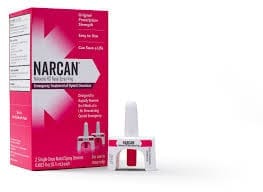
People often look for naloxone access after an emergency or near-miss. Product status can vary, including prescription and non-prescription options. Official labeling is the best source for indications and use steps. For regulatory context, see the FDA announcement on Narcan: FDA Narcan OTC Approval.
For related condition browsing, see Opioid Use Disorder for longer-term treatment topics. Some people also manage side effects from prescribed opioids. The collection on Opioid-Induced Constipation can help with that navigation.
Related Resources
Some visitors arrive here after a broader health change. Mental health support may matter after a scary event or hospitalization. The Medispress Health Hub includes a guide on Telehealth For Depression for care navigation basics. Fatigue can also follow disrupted sleep or medication changes. See Excessive Daytime Sleepiness for a symptom overview.
Digestive issues can also come up during recovery and medication adjustments. A related explainer on Chronic Constipation Treatment may help organize questions for a visit. Opioid Overdose follow-up may include reviewing medications, risks, and support options. Keep a simple list of current medicines and recent changes for reference.
This content is for informational purposes only and is not a substitute for professional medical advice.

Find suitable medication for Opioid Overdose
Book a telehealth visit to discuss Opioid Overdose
Find a doctor
Speciality
State

Video Visit
$69

Video Visit
$69

Video Visit
$69

Video Visit
$69

Video Visit
$69

Video Visit
$69

Speciality: Dermatology, Family Medicine, Men's Health, Urgent Care, Women's health
Speaks: English, Spanish, French, Arabic, Portuguese
Video Visit
$69

Video Visit
$69

Video Visit
$69

Video Visit
$69

Video Visit
$69

Video Visit
$69
Frequently Asked Questions
What are common opioid overdose symptoms to recognize?
Opioid overdose symptoms often center on slowed or stopped breathing. A person may be hard to wake or not respond. Pinpoint pupils and unusual snoring or gurgling can appear. Skin may look pale, ashy, or bluish around lips or nails. Symptoms can overlap with severe intoxication or low blood sugar. When in doubt, treat it as an emergency and call 911.
What is the difference between opioid poisoning and overdose?
Clinicians may use “opioid poisoning” to describe harmful opioid effects in the body. “Overdose” is a common term that often means dangerously high exposure. Both can lead to respiratory depression, which is life-threatening. The distinction is often about wording, not severity. Documentation may use one term for medical coding or reporting. Resources on this page use both terms to match common searches.
How does naloxone relate to opioid overdose response planning?
Naloxone is a medicine that can reverse opioid effects temporarily in some cases. Many community programs teach basic recognition and response steps. Narcan is one naloxone product, and instructions come from its label. Product status and access rules can vary by location and pharmacy. After naloxone is given, emergency evaluation is still important. Symptoms can return after the medicine wears off.
What does “prescription required” mean when browsing medications?
“Prescription required” means a licensed clinician must authorize the medication. The pharmacy then verifies the prescription before dispensing. This process helps confirm the right medication, dose form, and patient details. Some items may be available without a prescription, depending on regulations. Availability can also depend on state rules and pharmacy policies. When browsing, note whether an item is Rx-only or non-prescription.
How can telehealth fit into post-overdose care planning?
Telehealth can support follow-up planning after an emergency has passed. Visits may help review medications, risk factors, and safer storage practices. Clinicians can also discuss treatment pathways for opioid use disorder when appropriate. Telehealth cannot replace emergency response during suspected overdose. It is best used for education, recovery planning, and coordination of next steps. Medispress visits take place by video in a secure app.