


Open-Angle Glaucoma
Care Options and Resources for Open-Angle Glaucoma
Open-Angle Glaucoma can progress quietly for years without obvious symptoms. This category page brings together practical information and care pathways to support browsing. It covers common terms like primary open-angle glaucoma (POAG), intraocular pressure (IOP), and optic nerve damage. It also explains how monitoring helps track visual field loss over time.
Medispress offers flat-fee video visits with licensed U.S. clinicians. The goal is to make it easier to understand options and next steps. This page does not replace in-person eye exams or testing.
Open-Angle Glaucoma What You’ll Find
This collection focuses on what people often need when glaucoma is suspected or confirmed. It explains how open-angle disease differs from angle-closure glaucoma, which can be sudden and urgent. It also reviews glaucoma risk factors, including age, family history, and certain medical conditions.
Expect clear summaries of how clinicians describe stages and progression. You will also see plain-language explanations of tests used in eye clinics. These include tonometry (pressure check), gonioscopy (angle exam), and optical coherence tomography OCT (retinal imaging scan).
- Common terminology, including POAG, normal-tension glaucoma, and secondary open-angle glaucoma
- Typical symptom patterns, including early signs of glaucoma that can be easy to miss
- How diagnosis is usually confirmed with pressure, nerve, and vision testing
- High-level treatment categories, from glaucoma eye drops to procedures like SLT and MIGS
- What ongoing glaucoma monitoring may involve over time
For broader browsing across related listings, see the Glaucoma category page.
How to Choose
For Open-Angle Glaucoma, it helps to compare resources by the decision they support. Some pages explain symptoms and testing, while others focus on medication classes. Look for writing that separates “can” from “must,” since plans vary by person.
Understand common test names
Many glaucoma decisions start with a baseline set of measurements. A good overview will explain what each test measures and why it matters. It should also note that one reading rarely tells the whole story.
- Tonometry: measures eye pressure, often listed as IOP in mmHg
- Visual field testing: maps side vision to detect functional change
- OCT: measures optic nerve and retinal nerve fiber thickness
- Gonioscopy: checks that the drainage angle is open
- Pachymetry: measures corneal thickness, which can affect pressure readings
Match resources to the next practical step
Symptom-focused reading can help interpret day-to-day changes. See Causes Of Blurred Vision for a structured overview. For discomfort, review Treat Eye Pain Comfort And Care for general care considerations.
Visit-prep resources are useful when a diagnosis is new or evolving. Use Virtual Appointment Checklist to organize history and medication lists. Consider Top Questions For Telehealth to keep the conversation focused.
- Confirm the exact glaucoma type named in the assessment
- Note any prior eye surgery, trauma, or steroid medication use
- List all eye drops and timing, including non-prescription lubricants
- Track side effects that affect daily routine, like redness or burning
- Ask how progression is monitored, not just how pressure is measured
Safety and Use Notes
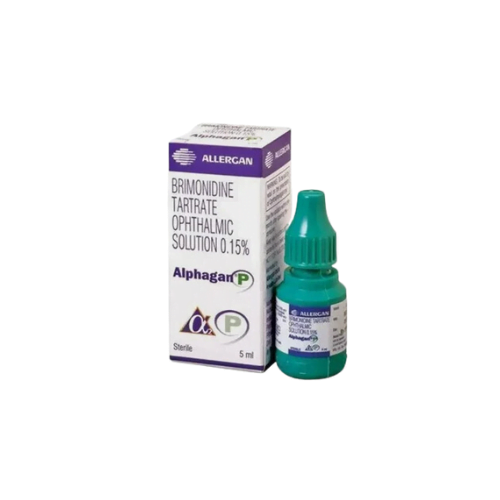
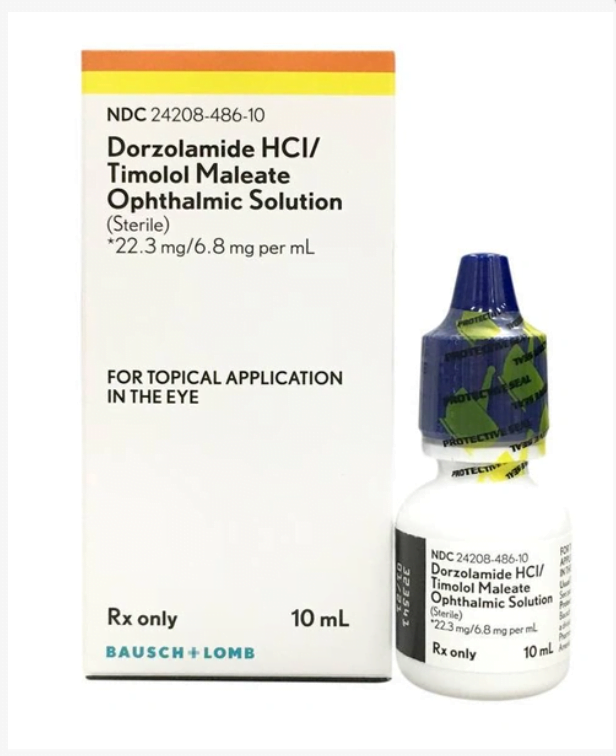
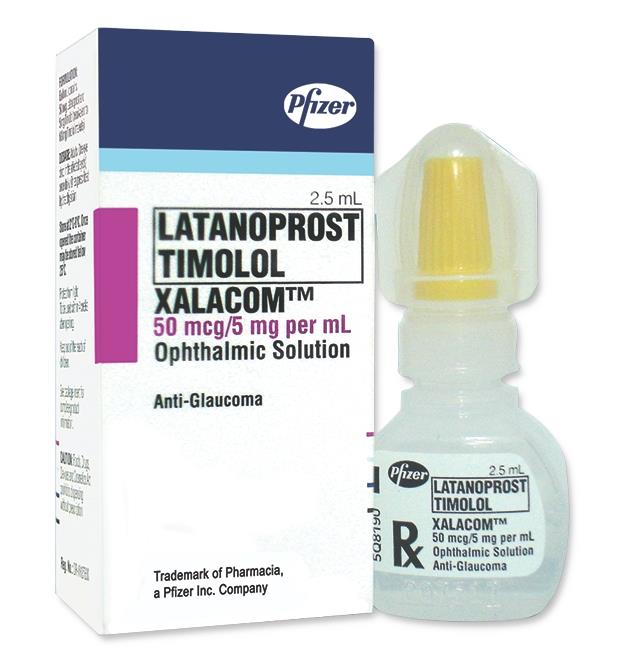
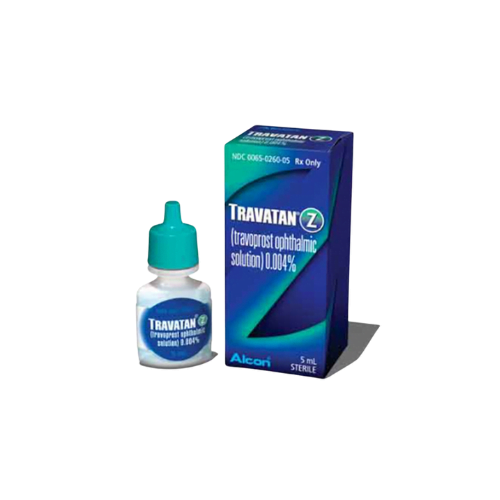
With Open-Angle Glaucoma, long-term routines can matter as much as the first prescription. Glaucoma eye drops may include prostaglandin analogs, beta blockers, carbonic anhydrase inhibitors, or alpha agonists. Each class has different precautions and side effect patterns. A clinician can help weigh risks, interactions, and tolerability.
Technique and handling can also affect comfort and accuracy. Touching the bottle tip to the eye can contaminate drops. Contact lens use may change timing and instructions for some products. Storage requirements can vary, so it helps to check the pharmacy label.
Quick tip: Keep one updated medication list for every visit and refill request.
Visits happen in our HIPAA-compliant app, built for secure messaging and video.
Procedures may also come up in care discussions. Selective laser trabeculoplasty (SLT) can be offered in some cases. Minimally invasive glaucoma surgery MIGS and trabeculectomy are surgical options that require in-person evaluation. A helpful overview will explain where these fit without promising outcomes.
- Report new systemic medicines, since some can affect eye pressure
- Share pregnancy or nursing status, because safety data can differ
- Ask about what to do if a dose is missed, without guessing
- Confirm follow-up needs after medication changes or procedures
- Know urgent warning signs, especially sudden pain with nausea
Access and Prescription Requirements
Many people browsing Open-Angle Glaucoma care are also sorting out logistics. Some treatments require a prescription and dispensing through a licensed pharmacy. Pharmacies typically verify prescriptions and may check identity where required. When paying cash, options can be available without insurance, depending on the medication and state rules.
If appropriate, clinicians can route prescriptions to partner pharmacies, following state rules.
Telehealth can support parts of ongoing care, like reviewing history and refills. It cannot replace tests that require specialized equipment. Clinicians may request recent eye exam findings, IOP readings, or imaging summaries. This helps avoid gaps when monitoring for progression.
- Bring a list of prior diagnoses, including normal-tension or secondary glaucoma labels
- Have recent test dates available, such as OCT or visual field exams
- Know current drop names and strengths from the pharmacy label
- Expect extra checks for controlled substances, though most drops are not
- Plan for periodic in-person exams for tonometry and optic nerve review
Related Resources
If Open-Angle Glaucoma is newly on the radar, start with symptom and comfort basics. Dryness can complicate how eyes feel day to day, especially with drops. See Dry Eye Treatment Options for a practical overview. For general vision-support habits, browse Improve Eyesight Tips with realistic expectations.
Why it matters: Early detection can reduce the chance of unnoticed visual field loss.
For visit logistics, review Telehealth Online Basics and Prescriptions Through Telehealth Visits. These explain what to prepare and what to expect from documentation. For a plain-language overview, see the National Eye Institute glaucoma overview. For additional background, review the American Academy of Ophthalmology glaucoma page.
- Use resources that define terms like IOP, OCT, and gonioscopy clearly
- Prefer summaries that separate symptoms from diagnosis confirmation
- Look for monitoring explanations, not only treatment lists
- Keep notes from each eye exam to support continuity of care
This content is for informational purposes only and is not a substitute for professional medical advice.

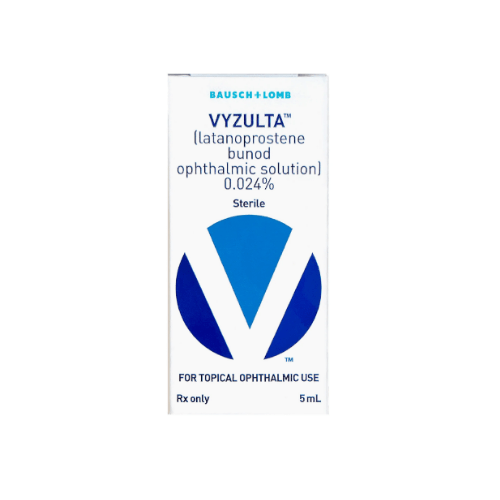
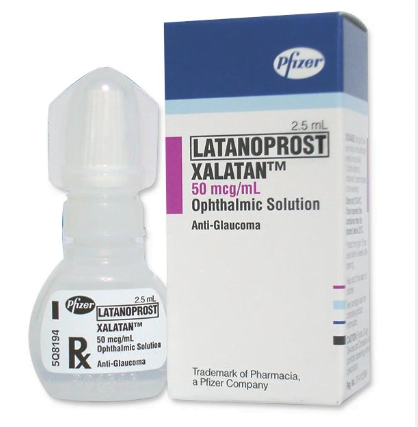
Find suitable medication for Open-Angle Glaucoma

Book a telehealth visit to discuss Open-Angle Glaucoma
Find a doctor
Speciality
State

Video Visit
$69

Video Visit
$69

Video Visit
$69

Video Visit
$69

Video Visit
$69

Video Visit
$69

Speciality: Dermatology, Family Medicine, Men's Health, Urgent Care, Women's health
Speaks: English, Spanish, French, Arabic, Portuguese
Video Visit
$69

Video Visit
$69

Video Visit
$69

Video Visit
$69

Video Visit
$69

Video Visit
$69
Frequently Asked Questions
What is primary open-angle glaucoma (POAG)?
Primary open-angle glaucoma (POAG) is the most common form of glaucoma. The drainage angle looks open, but fluid outflow may still be reduced. This can lead to higher intraocular pressure (IOP) in some people. Over time, the optic nerve can be damaged, causing visual field loss. Many people have few symptoms early on. Diagnosis usually relies on eye pressure, optic nerve exam, imaging, and visual field testing.
What tests are used for open-angle glaucoma diagnosis?
Clinicians usually combine several tests to confirm glaucoma and track change. Tonometry measures IOP, but a single value is not enough. OCT (a retinal imaging scan) helps assess optic nerve and nerve fiber layers. Visual field testing checks functional vision changes over time. Gonioscopy (an angle exam) helps confirm the angle is open. Pachymetry measures corneal thickness, which can affect how pressure readings are interpreted.
What are common open-angle glaucoma symptoms and early signs?
Open-angle glaucoma often has no clear early symptoms. People may not notice vision changes until later stages. When symptoms appear, they can include gradual loss of side vision. Some people report blurred vision or trouble seeing in dim light. Eye discomfort is not typical for uncomplicated open-angle disease, but it can occur from other causes. Any sudden severe eye pain, nausea, or rapid vision change needs urgent evaluation.
How are prescriptions handled for glaucoma eye drops?
Many glaucoma eye drops require a prescription and pharmacist review. A clinician decides whether medication is appropriate and which class fits the situation. Pharmacies verify the prescription details before dispensing. Some platforms can support telehealth visits for medication review and refill requests. When clinically appropriate, prescriptions may be sent to a partner pharmacy, depending on state rules. Cash-pay access is sometimes available without insurance, depending on the medication.
How is glaucoma monitoring typically discussed over time?
Monitoring plans vary based on glaucoma type, stage, and risk factors. Clinicians often track IOP trends, optic nerve appearance, OCT measurements, and visual field results. They may compare results across multiple visits to look for progression. The goal is to detect change early and adjust the care plan if needed. Telehealth can help review symptoms and medication tolerance, but key tests usually require an in-person eye clinic visit.