


Ocular Hypertension
Care Options and Resources for Ocular Hypertension
Ocular Hypertension means eye pressure is higher than expected, without clear optic nerve damage. It can show up during a routine eye exam. Many people feel no symptoms at first. Others notice blurred vision or headaches, which can have many causes. This category page supports practical browsing for patients and caregivers. It brings together educational reading and condition-aligned listings, when available.
Some people track risk factors like family history or steroid use. Others want help understanding common test terms. The goal here is clarity, not self-diagnosis. Eye care often combines in-person testing with ongoing monitoring over time.
Medispress offers video visits with licensed U.S. clinicians in a secure app.
Ocular Hypertension: What You’ll Find
This browse page focuses on high eye pressure and related care planning. It highlights common terms used in clinic notes and test reports. It also supports comparing medication categories that clinicians may consider. The listings may reference prescription-only options, when available on site.
It also explains how ocular hypertension vs glaucoma is discussed in practice. Ocular hypertension describes elevated intraocular pressure without definite glaucomatous damage. Glaucoma refers to optic nerve damage, often with visual field loss. An eye clinician uses several data points to sort these apart.
- Plain-language definitions for key eye pressure terms
- Examples of common monitoring tests and what they measure
- Medication classes that may lower intraocular pressure
- Related reading on symptoms that overlap with eye conditions
Why it matters: Early clarity can reduce stress while follow-up plans take shape.
How to Choose
People browsing Ocular Hypertension listings often compare monitoring needs and medication fit. This section highlights practical details to look for on each listing. It also suggests questions to bring to an eye appointment. Final decisions should stay with a qualified clinician who knows the full history.
Details that help comparisons
- Whether the option is prescription-only and requires verification
- How the medication class is described, such as prostaglandin eye drops
- Common administration format, like drops versus other delivery methods
- Whether preservative-free formulations are mentioned, if relevant
- Any warnings tied to contact lens use, per labeling
- Storage and handling notes, such as light sensitivity, per labeling
Common exam terms seen in records
- Tonometry (an eye pressure measurement) and the method used
- Pachymetry (corneal thickness measurement) and why it affects readings
- Optic nerve evaluation, often noted as cup-to-disc appearance
- Visual field testing, which checks peripheral vision patterns
- OCT (optical coherence tomography imaging) for retinal nerve fiber layer
Quick tip: Keep prior test dates handy for faster record matching.
Safety and Use Notes
Ocular Hypertension treatment decisions depend on overall glaucoma risk factors. Clinicians may consider age, family history, corneal thickness, and exam findings. They also review how high the pressure is over time. Some patients remain in observation with regular checks. Others start ocular hypertension medications to reduce long-term risk.
Eye drops can cause side effects, including redness or irritation. Some can affect eyelash growth or iris color, depending on the drug class. Systemic effects are possible with some drops, especially with certain heart or lung conditions. Patients should follow the official label and clinician guidance. For a plain-language overview, see American Academy of Ophthalmology ocular hypertension information.
Medispress clinicians make the clinical decisions based on the visit and records.
Steroid induced ocular hypertension can occur with some steroid medicines. That includes some eye drops, inhalers, and pills. Children can also develop elevated eye pressure, though evaluation differs. Ocular hypertension prognosis varies by risk profile and follow-up. Possible ocular hypertension complications relate to glaucoma development, not short-term discomfort. For broader glaucoma background, review National Eye Institute glaucoma overview.
Access and Prescription Requirements
Many products discussed for eye pressure control require a prescription. Pharmacies typically confirm the prescription and patient details before dispensing. Some items may need extra checks due to state rules or medication class. For caregivers, it helps to have the patient’s current medication list available.
Telehealth can support follow-up discussions and medication reviews. However, diagnosing high eye pressure usually requires in-person measurements and an eye exam. In many cases, a clinician may review recent eye pressure readings from a local exam. Ocular Hypertension records often include multiple readings rather than one number. Clinicians may also look for notes on optic nerve appearance and field testing.
When appropriate, Medispress providers may coordinate prescriptions through partner pharmacies, depending on state regulations.
Some patients use cash-pay options, often without insurance, for certain prescriptions. Availability depends on medication, state requirements, and pharmacy participation. Packaging and labeling should match the prescription and official directions. Patients should report new symptoms like severe eye pain or sudden vision loss urgently. Those symptoms can signal conditions beyond elevated intraocular pressure.
Related Resources
Some health issues overlap with eye symptoms and overall risk discussions. For blood pressure background, browse the Hypertension Collection and the Pulmonary Hypertension Collection. For symptom context, read Causes Of Blurred Vision. For general cardiovascular education, see Treat Hypertension Options and Pulmonary Hypertension Warning Signs.
Some people also compare dizziness and fatigue symptoms that can feel eye-related. The guide on Dizziness Relief Methods can help with terminology for clinical conversations. Metabolic health can also matter in long-term eye planning. See Reverse Type 2 Diabetes and Prediabetes 7 Day Meal Plan for practical lifestyle context.
This content is for informational purposes only and is not a substitute for professional medical advice.

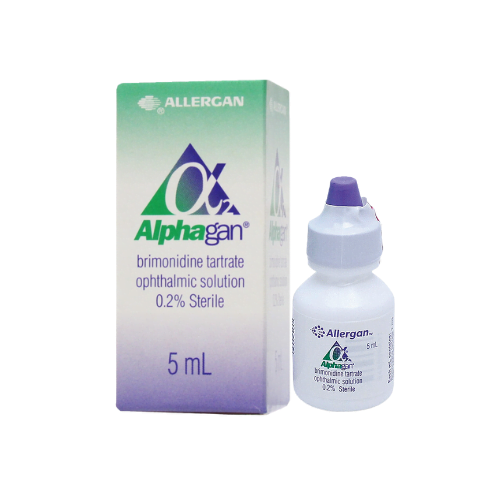
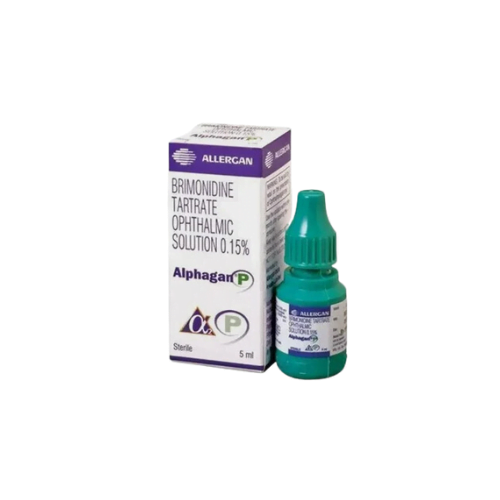
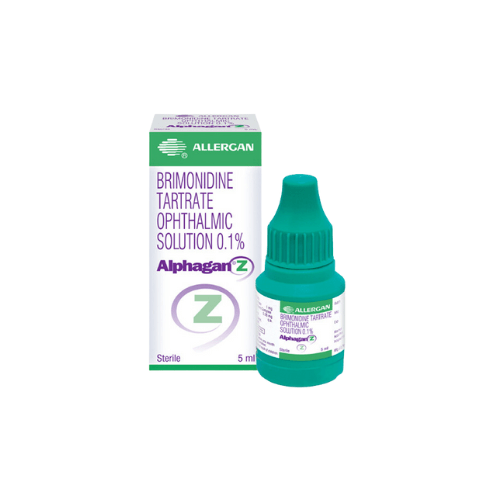
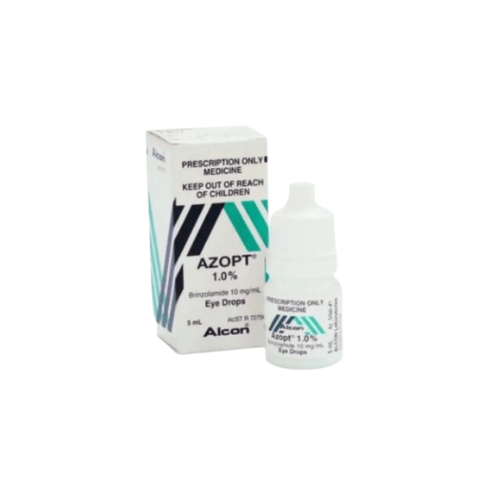
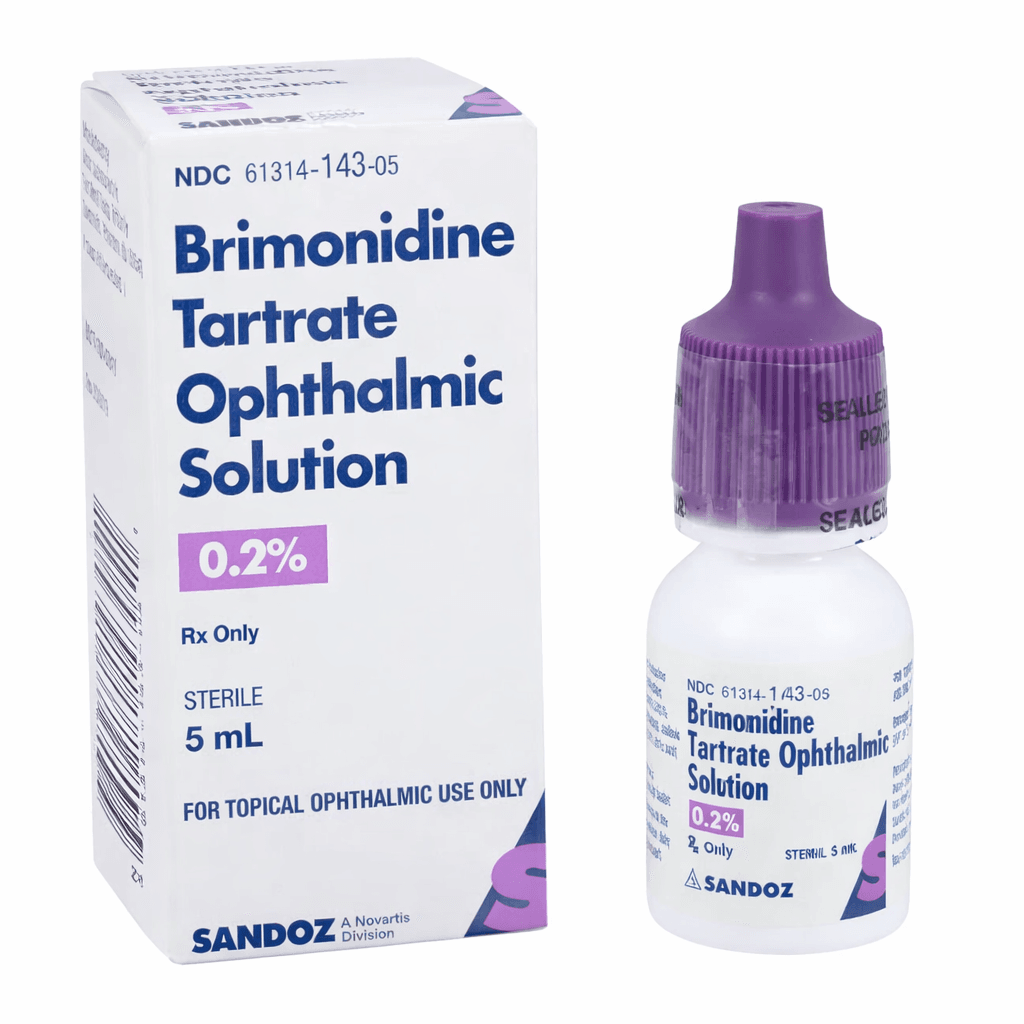
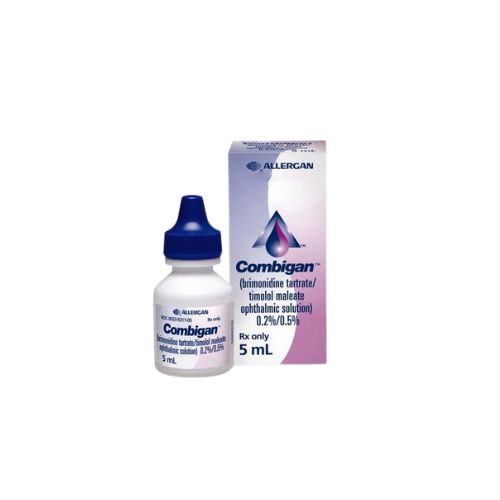
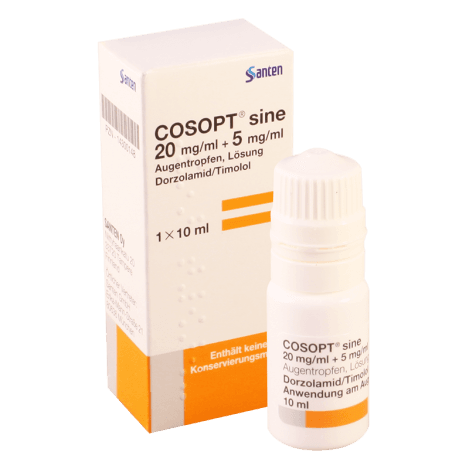
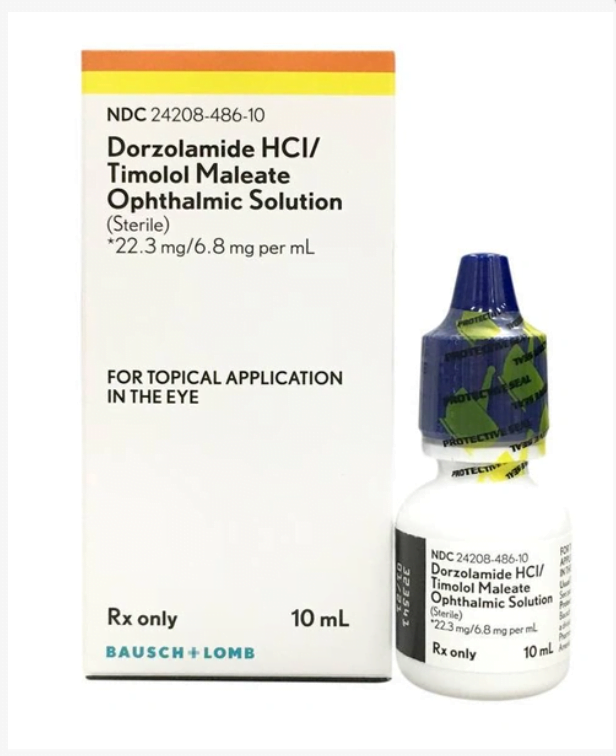
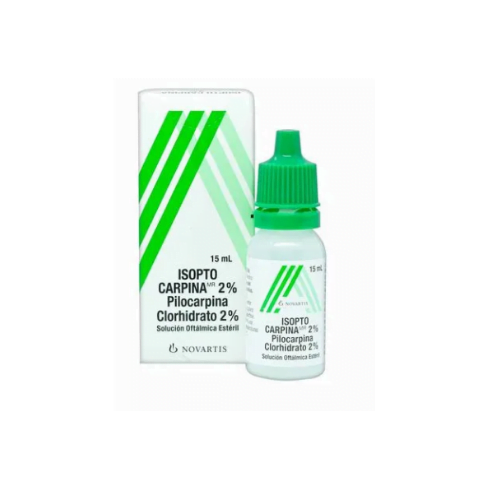
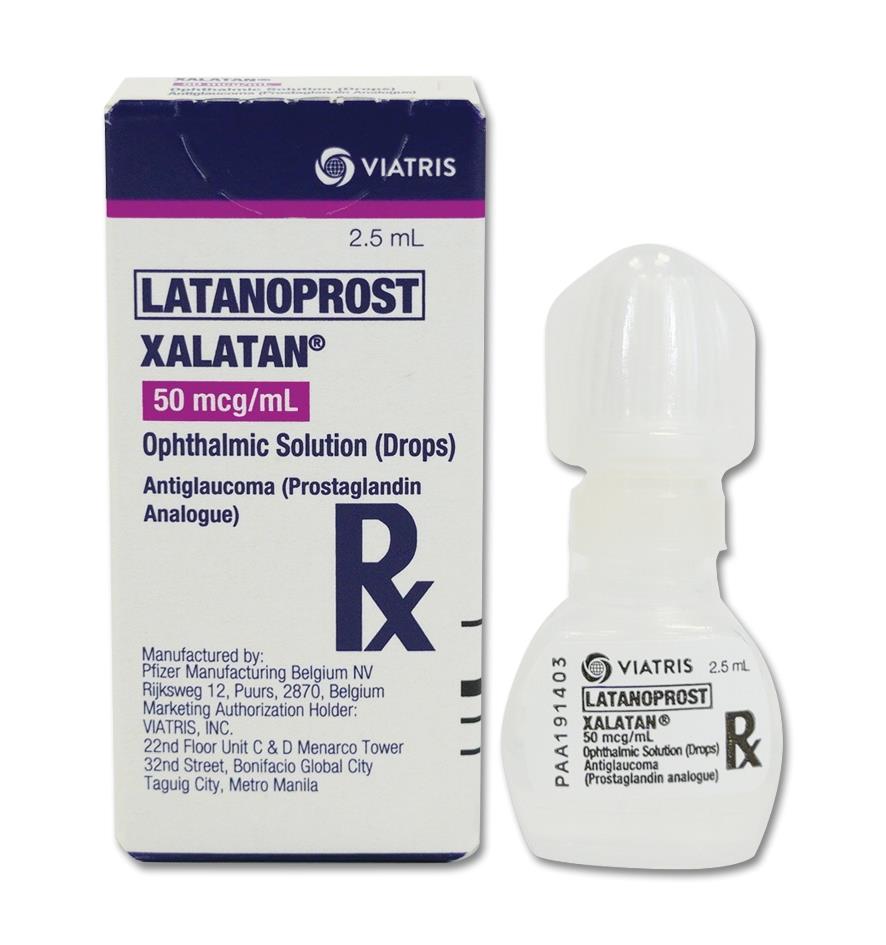
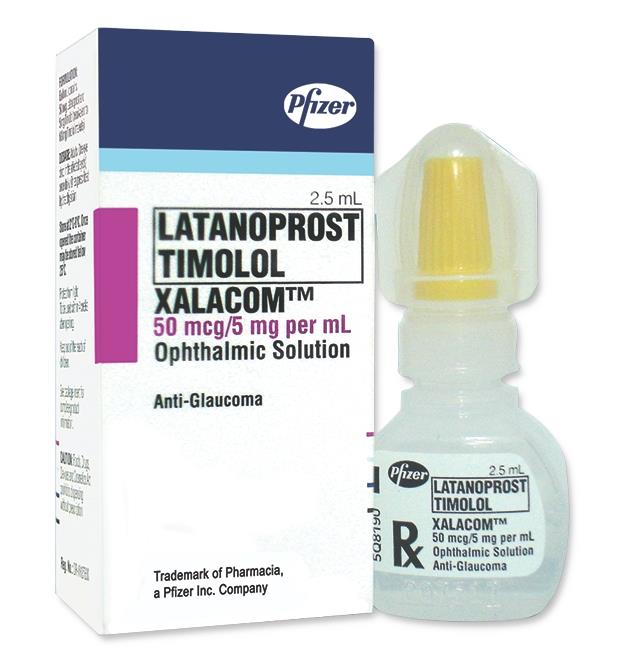
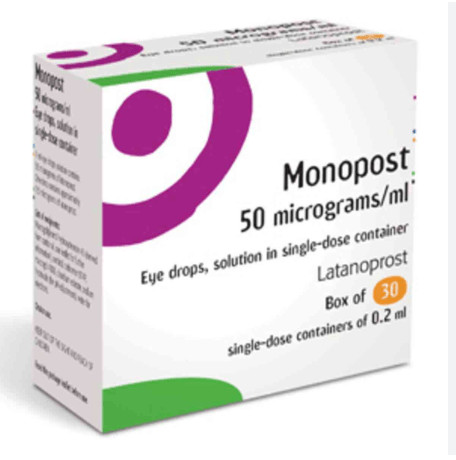
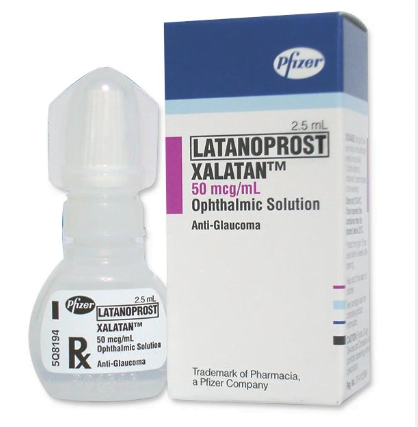
Find suitable medication for Ocular Hypertension



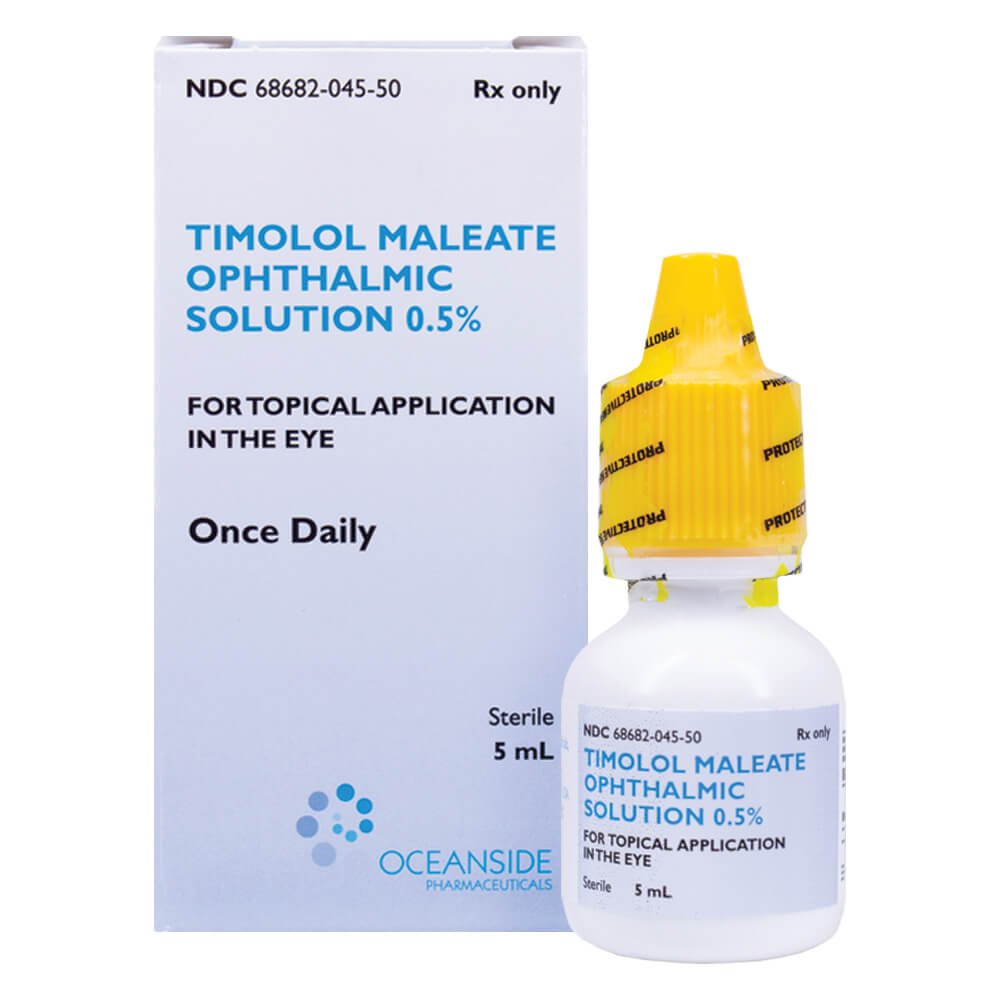
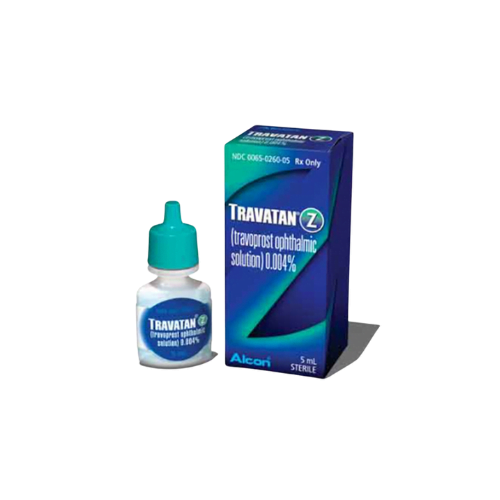
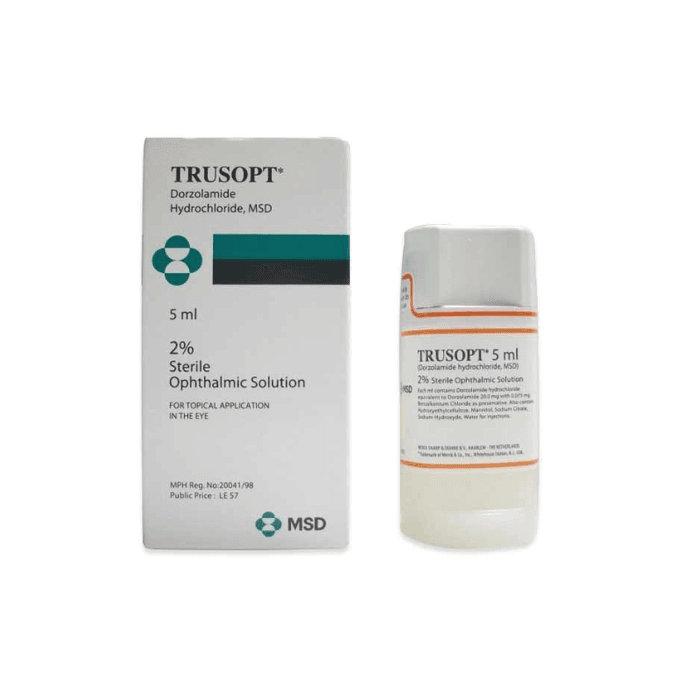
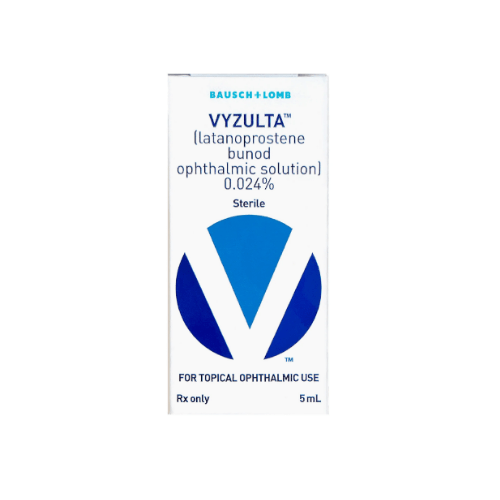
Book a telehealth visit to discuss Ocular Hypertension
Find a doctor
Speciality
State

Video Visit
$69

Video Visit
$69

Video Visit
$69

Video Visit
$69

Video Visit
$69

Video Visit
$69

Speciality: Dermatology, Family Medicine, Men's Health, Urgent Care, Women's health
Speaks: English, Spanish, French, Arabic, Portuguese
Video Visit
$69

Video Visit
$69

Video Visit
$69

Video Visit
$69

Video Visit
$69

Video Visit
$69
Frequently Asked Questions
What is ocular hypertension?
Ocular hypertension describes higher-than-expected intraocular pressure without clear signs of glaucoma damage. Many patients have no early symptoms. It is usually found during an eye exam that includes a pressure check. Clinicians interpret pressure in context, including corneal thickness and optic nerve appearance. The term does not automatically mean glaucoma, but it can raise future risk. Follow-up plans often focus on repeat measurements and monitoring over time.
How is ocular hypertension different from glaucoma?
Ocular hypertension refers to elevated eye pressure without definite optic nerve injury. Glaucoma is a condition where the optic nerve shows damage, often with visual field changes. Some glaucoma occurs even with “normal” pressure, so pressure alone is not the whole story. Clinicians use exam findings, imaging, and field tests to separate these conditions. Because the distinction can affect monitoring and treatment choices, a comprehensive eye evaluation matters.
What tests are used to monitor high eye pressure?
Clinics often use tonometry to measure eye pressure, sometimes with different devices. Pachymetry measures corneal thickness, which can influence pressure readings. An optic nerve evaluation checks for changes in appearance over time. Visual field testing helps detect functional vision changes, especially in peripheral vision. OCT imaging can measure the retinal nerve fiber layer and support trend tracking. A clinician chooses which tests to repeat and how often based on risk factors.
When do clinicians consider treatment for ocular hypertension?
Clinicians consider treatment when the overall risk of glaucoma seems higher. They may weigh the level and consistency of pressure, family history, age, corneal thickness, and optic nerve findings. They also consider how reliably follow-up testing can happen. Some patients remain in observation with scheduled monitoring. Others start pressure-lowering medicines, such as certain eye drop classes. The decision is individualized and should come from an eye care professional.
Can steroid medicines raise eye pressure?
Yes. Steroid induced ocular hypertension can happen with some steroid products. This includes certain steroid eye drops, inhaled steroids, topical steroids, and oral steroids. The effect varies across patients and depends on dose, duration, and individual sensitivity. Clinicians may monitor eye pressure more closely when steroids are needed. Patients should not stop prescribed steroids without clinician guidance. Any new eye pain or sudden vision change needs urgent medical evaluation.
What information helps during a telehealth medication review?
Telehealth works best when records are easy to confirm. Helpful details include the medication name, strength, and dosing directions from the current label. Prior eye exam results, especially pressure readings and test dates, can add context. A list of other medicines matters because some drops have systemic cautions. If a prescription is considered, pharmacies typically require standard verification steps. Clinical decisions depend on the visit, records available, and state-specific rules.