


Obsessive-Compulsive Disorder
Care Options for Obsessive-Compulsive Disorder
This category page supports browsing and learning about Obsessive-Compulsive Disorder. It is written for patients and caregivers who want clear basics. The goal is to make common terms easier to understand. It also helps compare care paths, without pushing any one option.
OCD can involve intrusive thoughts and urges that feel hard to dismiss. Many people also notice obsessions and compulsions that repeat over time. Symptoms can look different across contamination OCD, checking OCD, harm OCD, and scrupulosity OCD. OCD can affect children, teens, and adults, and it often overlaps with anxiety.
Medispress visits happen by video with U.S.-licensed clinicians in a HIPAA-secure app.
Obsessive-Compulsive Disorder What You’ll Find
This collection brings together practical browsing information and care context. It covers signs of OCD, common patterns, and everyday impact. It also explains how clinicians may think about symptom severity and safety concerns. The content is meant to support planning and organizing questions.
Many people wonder if symptoms fit OCD vs OCPD. This page clarifies the terms in plain language. It also summarizes common OCD causes and OCD risk factors in a balanced way. Some risk factors relate to family history and stress sensitivity.
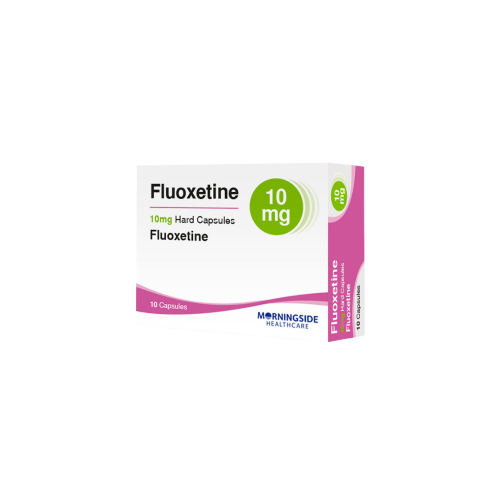
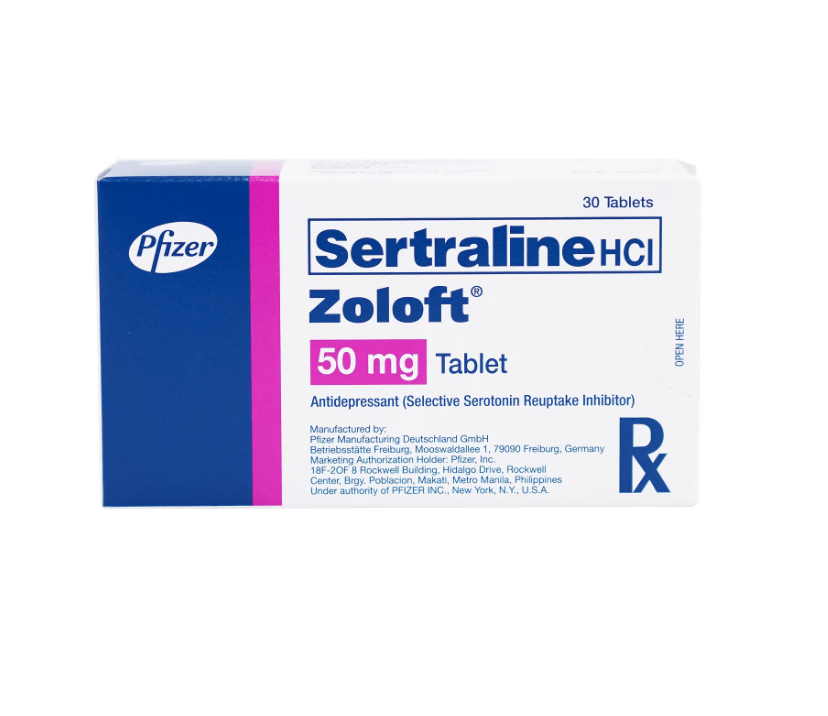
It can help to compare treatment types by what they target. Therapy and medication often focus on different parts of the cycle. ERP therapy for OCD is a structured approach within CBT for OCD. Medication discussions often mention OCD medications SSRIs as a common class.
- Plain-language definitions for obsessions, compulsions, and intrusive thoughts
- Common OCD symptoms and signs of OCD across age groups
- Types of OCD, including contamination and checking themes
- High-level overview of OCD treatment options, including ERP and SSRIs
- Administrative notes on appointments, records, and prescription requirements
- Links to trustworthy resources for deeper reading
How to Choose
Choosing next steps can feel overwhelming, especially during a flare. Obsessive-Compulsive Disorder care plans often combine education, skills, and follow-up. The most useful choice is often the one that is realistic to start and maintain. Many patients also consider what support is available at home or school.
Quick tip: Keep a short symptom log to share at appointments.
What to compare when browsing options
- How much time symptoms take each day, and what gets disrupted
- Whether thoughts feel unwanted, distressing, or hard to dismiss
- Which patterns show up most, like contamination, checking, or harm fears
- Whether avoidance has grown, like skipping places or delaying tasks
- Past responses to therapy, including ERP-focused approaches
- Medication history, including side effects or interaction concerns
- Age-specific needs, including OCD in children and OCD in teens
- Co-occurring concerns, like panic, depression, or sleep problems
Questions that can clarify fit
It helps to bring a few specific examples, not just a label. Examples can include routines, reassurance seeking, or mental rituals. Some people also ask how clinicians separate OCD and anxiety from other conditions. Another helpful question is how progress is tracked over time.
- What information matters most for an OCD diagnosis discussion?
- How does ERP work in real life between sessions?
- What side effects should be watched for with common medicines?
- How often does follow-up usually happen for monitoring?
Safety and Use Notes
Obsessive-Compulsive Disorder discussions often include therapy and medication safety basics. These notes are general and not a substitute for individual medical advice. A clinician should review personal risks, current medicines, and medical history. This matters even with well-known medication classes.
ERP is commonly described as a form of CBT that targets rituals. It can feel challenging at first, so pacing and support matter. For a federal overview, read this National Institute of Mental Health page. For ERP background and support resources, see the International OCD Foundation overview.
- SSRIs can cause side effects, and clinicians often monitor changes closely
- Do not change or stop prescriptions without clinician guidance
- Mixing medicines can raise interaction risks, including serotonin-related effects
- Alcohol and recreational drugs can complicate symptoms and medication safety
- Sleep loss and high stress can worsen intrusive thoughts and ritual urges
- Sudden new confusion, agitation, or risky behavior needs prompt attention
Clinicians, not staff, make diagnosis and treatment decisions during telehealth visits.
Access and Prescription Requirements
Access steps can differ by medication type and state rules. Obsessive-Compulsive Disorder prescriptions, when used, generally require clinician evaluation. Pharmacies also confirm legal requirements before dispensing medications. These checks help protect safety and reduce errors.
Many people prefer cash-pay options, often without insurance, for simpler access. Others use insurance when available, depending on the pharmacy. This category page focuses on general requirements, not plan-specific rules. It can still help organize what details to have ready.
- A visit may include symptom history, functional impact, and safety questions
- Clinicians may review current medications, allergies, and prior responses
- If clinically appropriate, a prescription may be issued and documented
- Pharmacies may verify identity, eligibility, and prescription validity
- Refills and follow-ups can depend on the medication and clinical context
When appropriate, prescriptions may be sent through partner pharmacies, following state dispensing rules.
Why it matters: Verification steps help prevent mix-ups and unsafe duplication.
Related Resources
Obsessive-Compulsive Disorder management often benefits from clear education and support. Some people also find it helpful to track routines and overall wellness. Medication discussions sometimes include appetite or weight changes as side effects. For general wellness reading, browse Weight Loss Tips That Work.
Support can also include skills practice, family education, and community connection. OCD support groups may help reduce shame and isolation. A clinician can also help explain OCD vs OCPD in a practical way. If symptoms involve safety risks, urgent help may be needed.
- Definitions of common themes, like scrupulosity and checking patterns
- Ways to describe triggers, rituals, avoidance, and reassurance seeking
- Ideas for organizing school or work accommodations conversations
- Questions to ask about ERP structure and follow-up planning
This content is for informational purposes only and is not a substitute for professional medical advice.

Find suitable medication for Obsessive-Compulsive Disorder




Book a telehealth visit to discuss Obsessive-Compulsive Disorder
Find a doctor
Speciality
State

Video Visit
$69

Video Visit
$69

Video Visit
$69

Video Visit
$69

Video Visit
$69

Video Visit
$69

Speciality: Dermatology, Family Medicine, Men's Health, Urgent Care, Women's health
Speaks: English, Spanish, French, Arabic, Portuguese
Video Visit
$69

Video Visit
$69

Video Visit
$69

Video Visit
$69

Video Visit
$69

Video Visit
$69
Frequently Asked Questions
What can I browse on this category page?
This page focuses on education and navigation for OCD-related care. It explains common symptom patterns, terms, and treatment categories in plain language. It also includes administrative notes about telehealth visits and prescription requirements. When available, the page may connect to related resources on Medispress for deeper reading. The goal is to make it easier to compare options and prepare questions for a clinician, without offering personal medical advice.
What is the difference between OCD and OCPD?
OCD usually involves unwanted, intrusive thoughts and repetitive behaviors or mental rituals. People often feel driven to do rituals to reduce distress or prevent feared outcomes. OCPD is a personality pattern that can involve perfectionism, rigidity, and control. The behaviors in OCPD may feel more consistent with a person’s self-image. Only a qualified clinician can sort this out during an evaluation. The distinction matters because treatment approaches can differ.
What are intrusive thoughts, obsessions, and compulsions?
Intrusive thoughts are unwanted thoughts, images, or urges that can feel distressing. Obsessions are repeated, persistent intrusions that create anxiety or discomfort. Compulsions are behaviors or mental acts done to reduce that distress or prevent a feared event. Compulsions can include visible actions, like checking, and also mental rituals, like repeating phrases. Many people recognize the cycle as unhelpful, yet still feel stuck. A clinician can help clarify what fits OCD patterns.
How is OCD usually diagnosed?
OCD diagnosis usually starts with a clinical interview and symptom history. Clinicians often ask about the content of thoughts, the presence of rituals, and the time symptoms take. They may also ask how symptoms affect school, work, and relationships. It is common to screen for overlapping concerns like anxiety, depression, or tic disorders. Questionnaires may support the discussion, but they do not replace a clinical evaluation. A diagnosis should consider safety concerns and other conditions.
What happens in an OCD-focused telehealth visit?
A telehealth visit often covers symptoms, daily impact, and any urgent safety issues. The clinician may ask about triggers, avoidance, and reassurance seeking, plus medical history. They may review current medications and potential interactions. If treatment is discussed, it may include therapy approaches like ERP and medication categories like SSRIs. If a prescription is clinically appropriate, it may be sent to a pharmacy with required verification. State rules can affect what is available.
When is OCD an urgent safety concern?
Urgency depends on risk, not just symptom intensity. Immediate help may be needed if someone has suicidal thoughts, plans, or intent. It can also be urgent if severe depression, inability to eat or sleep, or dangerous behaviors appear. New hallucinations, extreme agitation, or inability to care for basic needs also raises concern. If there is immediate danger, call 988 in the U.S. or local emergency services. A licensed clinician can guide next steps based on the situation.