


Obesity
Care Options for Obesity
Obesity can affect energy, mobility, and long-term health in many ways. This category page brings together practical information and related reads. It also helps with comparing common care paths and support options. For background definitions and trends, see a neutral CDC overview on weight and health.
Some people start with body mass index (BMI), then look deeper. Clinicians may also consider waist size, lab history, sleep, and medications. This collection focuses on decision-ready details for patients and caregivers. It covers terminology, common health risks, and what to expect during care planning.
Weight concerns can show up in childhood and adulthood. Support often involves habits, mental health, and medical history together. A caregiver may also need clear notes for school or family planning. For additional plain-language context, read a NIDDK guide to weight management terms.
Visits on Medispress are conducted by licensed U.S. clinicians via video.
Obesity What You’ll Find
This browse page centers on weight-related care options and common next steps. It highlights how teams often evaluate overall health, not just a number. It also explains how lifestyle support and medical care can work together.
Some resources focus on understanding risk factors and complications. Others focus on care delivery, like what telehealth can cover. When medication is part of care, details can include the drug class, the form, and needed follow-up. The goal is clearer comparisons without guessing.
- Key terms used in diagnosis and screening, including BMI
- Common symptoms and risk factors that clinicians may ask about
- Overview of lifestyle supports like nutrition, activity, sleep, and stress
- High-level review of medication classes used for weight management
- Possible complications, such as sleep issues and heart risks
- Telehealth visit preparation topics and follow-up expectations
How to Choose
People often start by clarifying overweight vs obesity, then mapping goals. Some want better stamina, while others focus on blood sugar. Past attempts and current health conditions can change what fits. The best starting point is usually a clear history and realistic expectations.
Clarify the goal and starting point
- List current conditions, like diabetes, hypertension, or sleep apnea symptoms
- Note recent weight trend, including major gains or losses
- Write down current medicines, supplements, and any prior side effects
- Identify barriers, like shift work, stress, pain, or limited mobility
- Decide what support matters most, like coaching, labs, or medication review
Plan for follow-up and support
- Choose a format that supports check-ins and progress tracking
- Ask how follow-ups are handled and what updates are helpful
- Bring a short question list to keep the visit focused
- Use a guide like Questions To Ask During Telehealth for planning
- Consider whether nutrition counseling or behavioral support is available locally
Quick tip: Keep a simple timeline of weights, meds, and major health events.
Safety and Use Notes
Safety matters most when exploring obesity medications and other medical options. Many treatments have limits based on history and other drugs. Some options can affect appetite, digestion, or blood sugar control. A clinician should review allergies, pregnancy plans, and existing conditions first.
Injected treatments may require training on handling and disposal. Some products also have storage rules that affect travel routines. For a plain-language overview, see Weight Loss Injections Via Telehealth. For common comparisons people ask about, see Mounjaro Vs Ozempic.
- Do not share prescription treatments, even with similar goals
- Report new symptoms quickly, especially severe or persistent ones
- Ask about interactions with other medicines, including mental health drugs
- Confirm what monitoring may be needed, such as labs or vital signs
- Use the official medication label for storage and handling instructions
Why it matters: Interactions and side effects can look like unrelated new health problems.
Appointments take place in a secure, HIPAA-compliant Medispress app.
Access and Prescription Requirements
Access to medical weight management for obesity depends on clinical review and local rules. Some services focus on education and coaching only. Others may include prescriptions when appropriate and allowed. A licensed clinician must decide what is clinically suitable.
Prescription treatments require verification steps before dispensing. That process helps confirm the prescriber, the medication, and safe use conditions. Many people use cash-pay options, sometimes without insurance, when coverage is limited. Availability and workflow can vary by state requirements.
- Telehealth visits usually start with history, current meds, and goals
- Some care plans may request recent labs or prior records
- Pharmacies may require identity checks and prescription validation
- Shipping rules can differ for temperature-sensitive medications
- Refills, when appropriate, typically require follow-up documentation
For visit expectations and care format, see Telehealth For Weight Loss. For one medication-specific navigation example, see Getting Mounjaro Safely.
When clinically appropriate, clinicians may route prescriptions through partner pharmacies, per state regulations.
Related Resources
These obesity resources can help with planning and follow-through between visits. Plateaus and motivation dips are common during behavior change. For practical troubleshooting ideas, read Break A Weight Loss Plateau. To understand the broader scope of virtual care, see What Telehealth Can Treat.
Some people also prefer a care-delivery overview before comparing options. A focused read can help set expectations for scheduling and follow-ups. See Virtual Weight Medicine Visit for that context.
This content is for informational purposes only and is not a substitute for professional medical advice.

Find suitable medication for Obesity
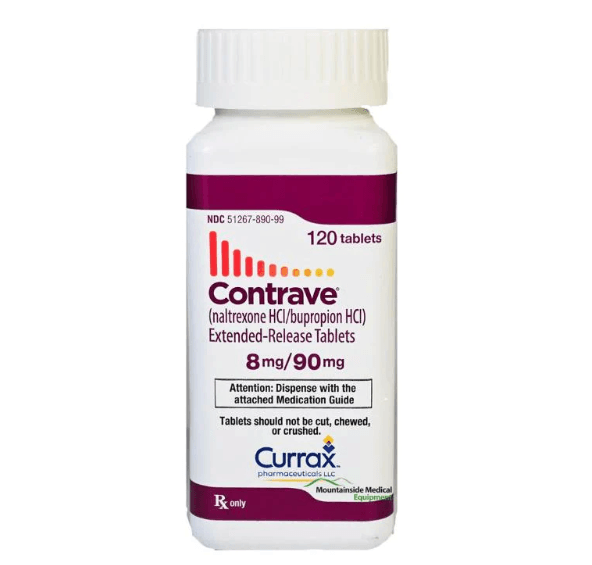





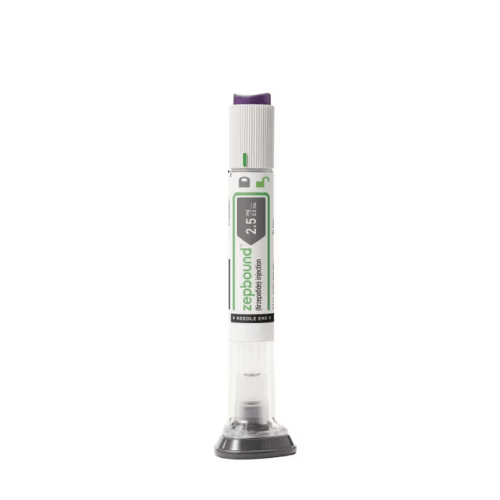
Book a telehealth visit to discuss Obesity
Find a doctor
Speciality
State

Video Visit
$69

Video Visit
$69

Video Visit
$69

Video Visit
$69

Video Visit
$69

Video Visit
$69

Speciality: Dermatology, Family Medicine, Men's Health, Urgent Care, Women's health
Speaks: English, Spanish, French, Arabic, Portuguese
Video Visit
$69

Video Visit
$69

Video Visit
$69

Video Visit
$69

Video Visit
$69

Video Visit
$69
Frequently Asked Questions
What is included on this Obesity category page?
This category page gathers condition-aligned resources and navigation for weight-related care. It can include educational reads, common care pathways, and medication class overviews. It also highlights what to compare when browsing, such as visit format, follow-up expectations, and prescription requirements. The goal is to make the next steps easier to understand, without replacing a clinician’s judgment. Browsing works well for patients, caregivers, and anyone organizing questions before a visit.
How is obesity diagnosis usually made?
Clinicians often start with body mass index (BMI) as a screening tool. They may also review waist size, medical history, medications, and lab results. Sleep, stress, mobility limits, and eating patterns can add important context. Diagnosis and severity do not rely on one data point alone. A licensed clinician determines what the findings mean for a specific person. This page supports learning the terms that may appear in notes or care plans.
What are common obesity treatment options?
Care options can include nutrition changes, physical activity planning, and behavioral therapy (structured support for habits and thinking patterns). Some people also discuss prescription medications for weight management with a clinician. In certain cases, bariatric surgery may be part of a longer-term plan and requires specialist evaluation. Treatment choices depend on health conditions, risks, preferences, and prior response to earlier approaches. This category page helps compare these broad options and the questions to ask.
Can medications for weight management be prescribed online?
In some cases, a licensed clinician may prescribe through a telehealth visit. The clinician must evaluate medical history, current medications, and safety risks first. Prescriptions are subject to state rules and pharmacy verification requirements. When clinically appropriate, the care team may coordinate prescription fulfillment through partner pharmacies. Not every person is a candidate for medication, and follow-up may be needed. This platform content focuses on navigation and expectations, not individualized prescribing decisions.
What information should be ready before a telehealth visit?
It helps to have a current medication list, including doses and start dates. Many people also gather allergies, past side effects, and recent vital signs. If available, include recent labs and diagnoses like diabetes or high blood pressure. A short timeline of weight changes can add context. It also helps to write down goals and top questions. For site actions, having a preferred pharmacy and contact details can speed up coordination.