


Non-Hodgkin Lymphoma
Care Options and Resources for Non-Hodgkin Lymphoma
This browse page supports patients and caregivers dealing with Non-Hodgkin Lymphoma. It gathers practical reading, related condition links, and care-planning basics. NHL is a group of blood cancers that affect lymphocytes (white blood cells). Symptoms can include swollen nodes, fevers, night sweats, or unexplained weight loss. Many of these signs also have non-cancer causes, so evaluation matters. Diagnosis often involves labs, imaging, and a lymphoma biopsy (tissue sample). Staging may use PET CT for lymphoma to map active disease. Medispress visits connect patients with licensed U.S. clinicians for care discussions.
Why it matters: Subtype and grade can shape the next steps in care.
Non-Hodgkin Lymphoma What You’ll Find
This collection helps organize the many names used for NHL types. It also helps connect subtype terms with everyday language. For example, B-cell lymphoma and T-cell lymphoma describe the immune cell involved. Specific labels may include diffuse large B-cell lymphoma, follicular lymphoma, or Burkitt lymphoma. Some terms describe where disease starts, like primary mediastinal B-cell lymphoma.
Many people start by comparing broad categories, then narrow the details. Use the related condition pages to explore patterns across lymphomas. Browse the broader Lymphoma Collection for shared terminology and navigation. For adjacent blood cancer topics, review the Blood Cancers Collection when context helps. For one common indolent subtype, see Follicular Lymphoma to compare naming and typical workups.
Some resources focus on non-hodgkin lymphoma stages and non-hodgkin lymphoma grading. Stage usually describes where disease is found in the body. Grade often describes how the cells look under a microscope. Clinicians may also describe indolent lymphoma (slow-growing) versus aggressive lymphoma (fast-growing). Those labels can affect monitoring, urgency, and treatment discussions.
- Plain-language explanations for common NHL symptoms and red flags
- Ways to sort NHL types by cell type and behavior
- Common steps in non-hodgkin lymphoma diagnosis and staging
- Background on pathology terms from a lymphoma biopsy report
- Administrative notes about prescriptions and pharmacy verification
- Links to related lymphoma subtypes and care-navigation guides
How to Choose
Start with the question that needs the clearest answer. Some needs are educational, like definitions or staging terms. Others are practical, like organizing records for a second opinion. For Non-Hodgkin Lymphoma, it helps to separate diagnosis questions from treatment-planning questions.
Understand the type, stage, and grade
Subtypes can share symptoms but differ in treatment pathways. When reading, look for the exact subtype name and its category. Check whether the source distinguishes B-cell from T-cell disease. Confirm whether it addresses indolent versus aggressive behavior clearly. Watch for older terms that may be replaced in newer pathology reports.
- Identify the exact NHL type listed on pathology paperwork
- Note whether staging used PET CT for lymphoma or other imaging
- Track which lymph nodes or organs were described as involved
- List systemic symptoms, like fever patterns or night sweats
- Separate new symptoms from medication side effects or infections
- Record prior therapies discussed, including chemoimmunotherapy for lymphoma
- Flag other options mentioned, like targeted therapy lymphoma or radiation therapy lymphoma
- Ask how stem cell transplant lymphoma is evaluated, if it is raised
Prepare for visits and follow-up tasks
Visit prep works best when information is easy to scan. A short timeline often beats a long narrative. Include dates for biopsies, scans, and major symptom changes. For visit structure, use the Virtual Doctor Appointment Checklist to avoid missed details. For conversation prompts, review Top Questions To Ask and adapt them to oncology care.
For an official overview of staging terms, see National Cancer Institute NHL guidance. Appointments run in our secure, HIPAA-compliant app for private telehealth.
Safety and Use Notes
Lymphoma care can involve complex medicines and close monitoring. Some therapies affect immune function and infection risk. Side effects can overlap with common illnesses, which complicates interpretation. Records help clinicians see the full picture and reduce confusion.
This page does not replace care from an oncology team. It also cannot confirm causes or lymphoma risk factors for any person. Non-hodgkin lymphoma causes are often multifactorial and not fully understood. Risk can vary with age, immune status, and exposures. Many people want clear answers, but certainty is not always possible.
- Do not change prescription medicines without clinician direction
- Use one consistent medication list across all care settings
- Share allergies and prior reactions before any new prescription is considered
- Report recent infections, vaccines, and immune-suppressing therapies in histories
- Seek urgent care for severe symptoms or rapid clinical decline
Quick tip: Keep scan and biopsy files in one folder for uploads.
Some discussions include non-hodgkin lymphoma prognosis and non-hodgkin lymphoma survival rates. Those topics depend on subtype, stage, response, and overall health. Published averages may not fit an individual situation well. Ask clinicians to explain what data applies, and what does not.
Access and Prescription Requirements
Supportive care may include prescriptions, testing coordination, and refills. Prescription cancer therapies have strict safety checks and handling rules. For Non-Hodgkin Lymphoma treatment options, prescriptions are required when a medication is prescription-only. Dispensing pharmacies generally verify prescriptions and follow state licensing rules.
Some visits focus on education, symptom review, or care coordination. Others involve medication reconciliation and documentation support. For a practical overview, read Prescriptions Through Telehealth Visits before starting a request. Cash-pay options may be available, often without insurance, depending on the service. Keep expectations realistic for what can be handled remotely.
- Have a current medication list, including supplements and over-the-counter drugs
- Keep pharmacy contact details ready, including address and phone number
- Bring pathology and imaging summaries when discussing next steps
- Confirm where labs and scans were done, for record sharing
- Plan for identity checks when required for prescription verification
When clinically appropriate, prescriptions may route to partner pharmacies under state regulations.
Related Resources
Non-Hodgkin Lymphoma in adults spans many subtypes and care paths. Comparing related subtype pages can clarify language and typical workups. For a higher-grade B-cell subtype, explore Mantle Cell Lymphoma for terminology and navigation. For another indolent category, review Marginal Zone Lymphoma to see how labels differ.
For general telehealth logistics, the Virtual Doctor Visit Guide can help set expectations. If technology issues are a concern, use Tech Troubles Tips to reduce visit-day stress. For broader disease education, see American Cancer Society NHL overview for plain-language summaries.
This content is for informational purposes only and is not a substitute for professional medical advice.

Find suitable medication for Non-Hodgkin Lymphoma
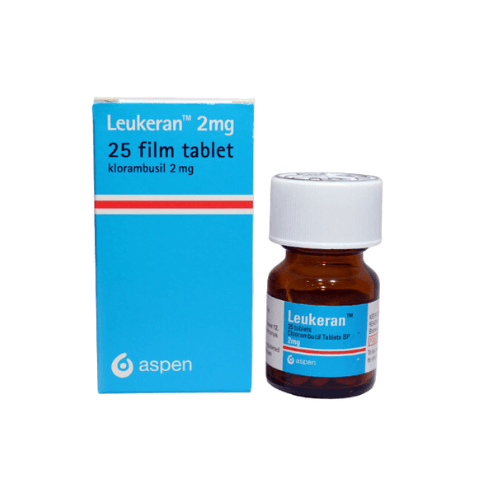
Book a telehealth visit to discuss Non-Hodgkin Lymphoma
Find a doctor
Speciality
State

Video Visit
$69

Video Visit
$69

Video Visit
$69

Video Visit
$69

Video Visit
$69

Video Visit
$69

Speciality: Dermatology, Family Medicine, Men's Health, Urgent Care, Women's health
Speaks: English, Spanish, French, Arabic, Portuguese
Video Visit
$69

Video Visit
$69

Video Visit
$69

Video Visit
$69

Video Visit
$69

Video Visit
$69
Frequently Asked Questions
What information is included on this category page?
This category page organizes Non-Hodgkin Lymphoma topics for easier browsing. It highlights common terms, such as subtype names and staging language. It also links to related lymphoma condition pages for comparison. Some sections focus on visit preparation and record organization. Other sections cover administrative notes about prescriptions and verification. The goal is to make the vocabulary less confusing. It is not a substitute for oncology care or diagnosis.
How do I compare different NHL types listed across resources?
Start by confirming whether the resource is describing B-cell lymphoma or T-cell lymphoma. Then look for the specific subtype name, since names can sound similar. Check whether it addresses indolent versus aggressive behavior in clear terms. Note any mention of staging and grading, since those terms are different. If a resource cites tests, see whether it references biopsy findings or imaging. Use related subtype pages to compare terminology without mixing conditions.
Can telehealth visits support lymphoma-related questions?
Telehealth can support many planning and education needs around lymphoma care. A clinician can review symptoms, medication lists, and questions for upcoming in-person care. Telehealth can also help with documentation requests and next-step planning. It cannot replace urgent evaluation for severe symptoms or rapid decline. Some cancer treatments still require in-person exams, labs, or infusions. Telehealth works best when records are organized and easy to share securely.
What do stage and grade mean in NHL?
Stage usually describes where lymphoma is found in the body. It often considers which lymph node areas or organs are involved. Grade describes how the cells look and behave under the microscope. Clinicians may also describe the lymphoma as indolent (slow-growing) or aggressive (fast-growing). These terms can affect the pace of evaluation and treatment discussions. Only a qualified clinician can interpret stage and grade for a specific case.
When is a prescription required, and how is it verified?
A prescription is required for any medication that is prescription-only. Dispensing pharmacies commonly verify that the prescription is valid and complete. They may also confirm patient identity when required by law. Some medicines have extra requirements due to safety monitoring and handling rules. If a clinician decides a prescription is appropriate, it may be sent to a pharmacy that can dispense it. State regulations can affect what is available and how fulfillment works.