


Niemann-Pick Disease Type C
Care Options for Niemann-Pick Disease Type C
Niemann-Pick Disease Type C is a rare, inherited lysosomal storage disorder. It affects how cells move cholesterol and other lipids. Families often need clear terms, records, and next-step planning. This browse page gathers practical information that supports care navigation. It also helps when comparing prescription-related options and resources.
Some people have symptoms in childhood, while others present later. Notes may mention neurological signs, liver involvement, or learning changes. The condition can look different across ages and families. This makes it helpful to track what is known so far. Visits happen by video with licensed U.S. clinicians.
Niemann-Pick Disease Type C: What You’ll Find
This category page focuses on organized browsing, not self-treatment decisions. It is built for caregivers, patients, and care coordinators. Listings can include supportive medications and related health products, when available. Educational context is also included to clarify unfamiliar terms in charts.
Many families compare options based on purpose, requirements, and logistics. Some items require a prescription, while others do not. Some options relate to symptom support, like sleep or nausea. Others relate to comorbid needs, such as seizure management in some patients. Details vary by item and by state rules.
Common details shown across listings may include:
- What the item is generally used for in care plans
- Whether prescription verification is required
- Basic form factors, like tablet, capsule, or liquid when listed
- Key cautions that often apply to the medication class
- What information may be helpful for a clinician to review
- Caregiver notes that support safer coordination across providers
How to Choose
Because NPC is complex, selection often starts with clarity. It helps to separate confirmed diagnoses from working possibilities. It also helps to name the main problems being addressed today. That could be swallowing changes, mobility issues, sleep disruption, or school planning.
When comparing items in this collection, Niemann-Pick Disease Type C may appear in notes as “NPC.” It may also appear with gene terms like NPC1 or NPC2. Those refer to genetic mutations linked to the condition. A genetics clinician can help interpret those results and implications.
Organize the care story
- List current symptoms and when each one first appeared
- Note major events, including falls, choking episodes, or sudden weakness
- Track neurological signs, like ataxia (coordination problems) or tremor
- Include cataplexy (sudden muscle weakness) if it was documented
- Record eye movement findings, if noted by a specialist
- Keep prior medication lists, including stopped medications and reasons
Why it matters: Shared records reduce repeat testing and shorten specialist review time.
Compare options with a clinician in mind
- Check if the item is prescription-only or over-the-counter
- Consider formulation needs, especially with swallowing difficulties
- Look for interaction risks listed for the medication class
- Note monitoring concepts mentioned in labeling, like liver-related cautions
- Flag pregnancy and breastfeeding considerations when they apply
- Write down questions about goals, side effects, and follow-up plans
Safety and Use Notes
Rare disease care often includes multiple specialists and medications. That increases the risk of duplications and interactions. It also raises the chance that instructions differ across visits. A single, updated medication list is a simple safety tool. It should include vitamins, supplements, and as-needed medicines.
Niemann-Pick Disease Type C can involve the nervous system and the liver. Notes may mention hepatosplenomegaly (enlarged liver and spleen). They may also mention vertical supranuclear gaze palsy (difficulty moving eyes up and down). These details can help clinicians frame risks and priorities. They also help explain why careful coordination matters.
Appointments run in a secure, HIPAA-compliant app.
General safety points that often apply across medication browsing include:
- Do not change prescription medicines without prescriber confirmation
- Read the official labeling for class-wide warnings and precautions
- Ask how missed doses are handled for each specific medication
- Confirm storage needs, especially for liquids and specialty products
- Report new or severe symptoms promptly to the care team
- Use one pharmacy record when possible to reduce duplication
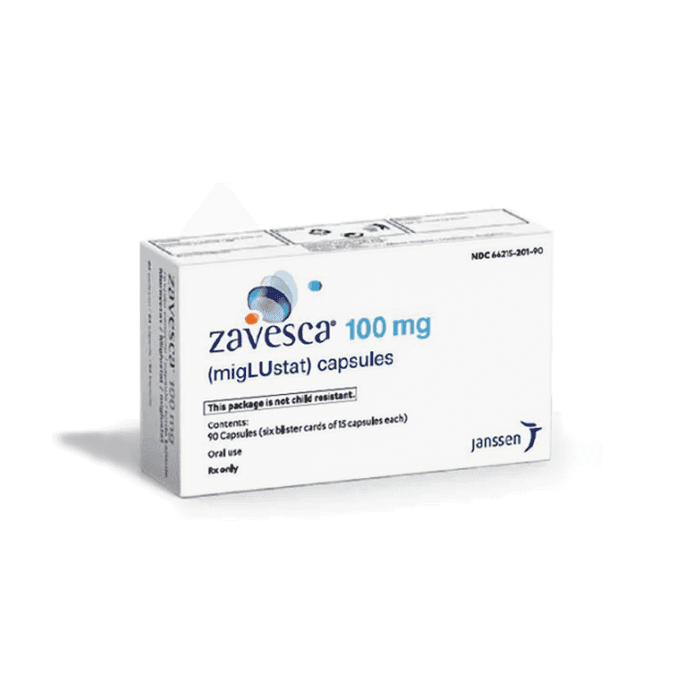
Some families also explore disease-directed discussions, when appropriate. For example, miglustat therapy may be discussed in certain care contexts. Substrate reduction therapy (lowering buildup of certain molecules) is a common concept. Supportive care for NPC remains central for many patients. Clinical trials for NPC may also be part of specialist conversations.
Access and Prescription Requirements
Prescription requirements depend on the specific medication and location rules. If a product needs a prescription, a valid prescriber order is required. Pharmacies also verify the prescription details before dispensing. Some items may have additional checks based on drug class. These checks help keep dispensing safe and compliant.
This collection is designed to support cash-pay access, often without insurance. Availability and dispensing pathways can vary by state regulations. When appropriate, providers can send prescriptions through partner pharmacies, by state rules.
For smoother coordination, it helps to have these items ready:
- A current medication list with dose and schedule from the last visit
- Allergy and reaction history, including what happened and when
- Key records, like genetics reports or specialist summaries when available
- Preferred pharmacy details for prescription routing, if needed
- Caregiver contact information for minors or dependent adults
- Questions about refills, substitutions, and prior authorization status if relevant
Medispress can support telehealth scheduling for medication-related questions. Clinicians decide what is clinically appropriate during the visit. Some conditions need in-person exams or urgent evaluation instead. In those cases, telehealth may be a poor fit. The visit summary can still help organize next steps with local care.
Related Resources
Living with Niemann-Pick Disease Type C can involve long-term planning. Many families balance symptom management with school and work needs. Genetics appointments may include genetic counseling for NPC. That can help with family planning discussions and cascade testing. Caregiver support NPC resources can also reduce isolation and burnout.
For a plain-language summary, see NIH GARD Niemann-Pick Type C. For patient-focused context, read this NORD Niemann-Pick Type C. For deeper genetics detail, review the GeneReviews NPC Chapter.
- NPC disease overview terms seen in clinic notes
- NPC diagnosis and testing language, including biomarker discussions
- MRI and imaging in NPC, and what reports may mention
- NPC management guidelines concepts, including supportive services
- Clinical trials basics and how eligibility is usually assessed
Quick tip: Keep a single folder for reports, videos, and caregiver notes.
This content is for informational purposes only and is not a substitute for professional medical advice.

Find suitable medication for Niemann-Pick Disease Type C
Book a telehealth visit to discuss Niemann-Pick Disease Type C
Find a doctor
Speciality
State

Video Visit
$69

Video Visit
$69

Video Visit
$69

Video Visit
$69

Video Visit
$69

Video Visit
$69

Speciality: Dermatology, Family Medicine, Men's Health, Urgent Care, Women's health
Speaks: English, Spanish, French, Arabic, Portuguese
Video Visit
$69

Video Visit
$69

Video Visit
$69

Video Visit
$69

Video Visit
$69

Video Visit
$69
Frequently Asked Questions
What is Niemann-Pick disease type C?
Niemann-Pick disease type C is a rare genetic condition. It affects how cells move cholesterol and related lipids. The condition is often described as a lysosomal storage disorder. Symptoms can involve the nervous system, liver, or both. Age of onset varies widely, even within families. A clinician can confirm the diagnosis using genetic and laboratory findings. Care usually involves several specialists working together over time.
What symptoms are commonly associated with NPC?
Symptoms can differ by age and disease stage. Notes may mention hepatosplenomegaly (enlarged liver and spleen). Neurologic findings can include ataxia (coordination problems) and dystonia (muscle twisting). Some people develop vertical supranuclear gaze palsy (difficulty moving eyes up and down). Swallowing changes and speech issues can also occur. Sleep problems and cataplexy (sudden muscle weakness) may be reported. A specialist should interpret symptoms in the full clinical context.
How is NPC diagnosed and confirmed?
Diagnosis often includes a detailed history and exam. Clinicians may use genetic testing to look for NPC1 or NPC2 variants. Some care teams also use blood biomarkers, including oxysterol biomarker testing. In certain cases, older methods like the filipin staining test are referenced. Imaging, such as MRI, can help assess brain changes. A genetics specialist can help interpret uncertain findings. Final confirmation depends on the full pattern of results and clinical signs.
What treatment and care approaches might be discussed?
Care plans usually combine disease-focused discussions and supportive care. Supportive care can include therapies for mobility, speech, and swallowing. Symptom-focused medications may be used for issues like seizures or sleep. Some clinicians discuss substrate reduction therapy concepts in NPC. Miglustat therapy may come up in certain settings and regions. Eligibility for clinical trials for NPC may also be reviewed. Only a treating clinician can determine what fits a person’s situation and risks.
Can Medispress help with prescriptions and care coordination?
Medispress supports telehealth visits with licensed U.S. clinicians by video. The visit occurs in a secure, HIPAA-aligned app. Clinicians make the clinical decisions during the appointment. When clinically appropriate, they may coordinate prescription options through partner pharmacies. Availability depends on state regulations and medication requirements. Some patients use cash-pay options, often without insurance. Prescription verification and licensed dispensing still apply when an item requires a prescription.
Where can caregivers find support and practical resources?
Caregiving for a rare disorder can be isolating. Many families benefit from rare-disease organizations and peer groups. Genetics clinics may offer genetic counseling and family planning discussions. Schools may provide learning supports based on documented needs. Social workers can help with disability paperwork and community services. Keeping a shared care notebook can also reduce stress. Support resources work best when they match a family’s goals, language, and day-to-day realities.