


Nicotine Dependence
Care Options for Nicotine Dependence
Nicotine Dependence can affect people who smoke, vape, or use smokeless tobacco. Clinicians may also call it tobacco use disorder (a medical diagnosis for nicotine addiction). It can involve strong nicotine cravings, repeated use, and trouble cutting back. Many people also notice stress-linked habits and trigger-driven routines.
This category page helps with browsing and learning, not self-treatment decisions. It covers common smoking cessation tools, withdrawal and relapse topics, and practical planning. Some options are over-the-counter, while others require a prescription. Many people use cash-pay access, often without insurance. For a focused overview, see Quit Smoking Telehealth.
Nicotine Dependence What You’ll Find
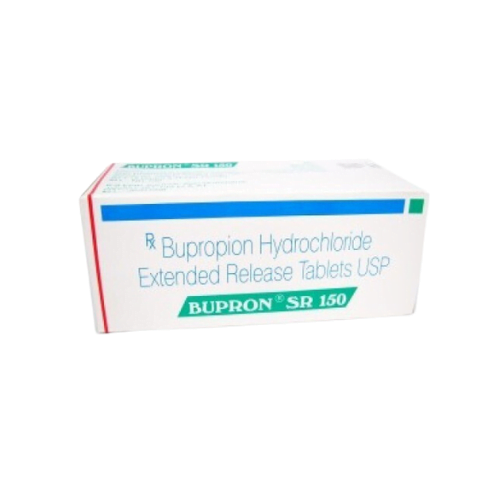
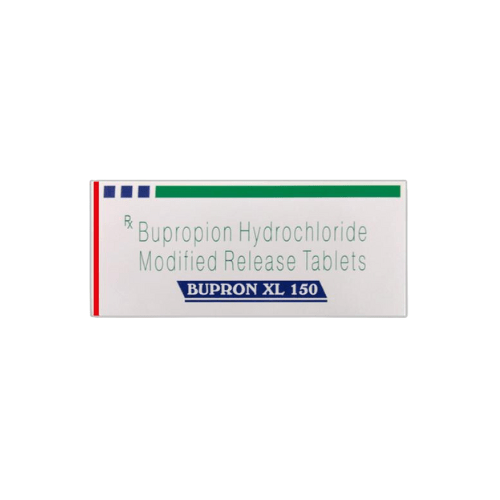
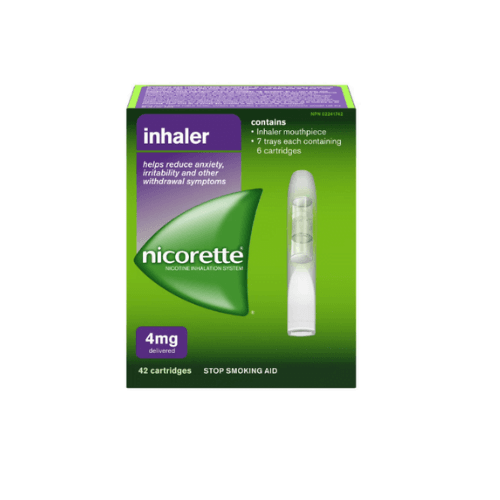
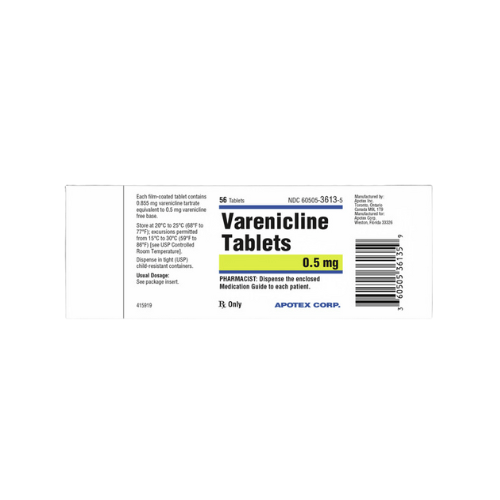
This collection brings together options that often appear in quit plans. That includes nicotine replacement therapy, like nicotine patches, nicotine gum, and nicotine lozenges. It also covers prescription options that may be used for smoking cessation, such as varenicline for smoking cessation and bupropion for smoking cessation. The goal is to make comparisons easier across forms, requirements, and key safety notes.
Many listings and resources use both plain and clinical language. For example, “vaping addiction” and “e-cigarette dependence” may describe similar patterns. “Nicotine withdrawal symptoms” can describe irritability, restlessness, and sleep changes. People can also explore behavioral therapy for nicotine dependence and counseling for smoking cessation, including motivational interviewing approaches.
Visits happen by video with licensed U.S. clinicians in a secure app.
What’s typically included on this page:
- Nicotine replacement formats and how they differ
- Prescription-only smoking cessation medications, when listed
- Education on cravings, triggers, and relapse prevention strategies
- Notes on vaping and adolescent nicotine use
- Support options like counseling and support groups for quitting smoking
- Context on health risks of nicotine and tobacco exposure
- Links to related health topics that can affect quit attempts
How to Choose
When browsing Nicotine Dependence options, it helps to compare fit and logistics. Many people need different tools for cravings versus routines. Some prefer steady support, while others want flexible, as-needed formats. Prior quit attempts can also shape what feels manageable this time.
Compare medication and nicotine replacement options
These factors can help people compare what is listed. They also help frame questions for a clinician.
- Product form and daily routine fit (patch, gum, lozenge)
- Any sensitivity to adhesives, flavors, or mouth irritation
- Whether the option is OTC or prescription-only
- How often dosing is needed, based on the label instructions
- Preference for gradual reduction versus a set quit date plan
- Past side effects or reasons prior options were stopped
- Any pregnancy, breastfeeding, or age-related considerations
Plan support and relapse prevention
Medication can help some people, but support often matters too. Behavioral tools can strengthen follow-through when stress hits.
- Interest in counseling for smoking cessation or coaching-style support
- Common trigger situations, like driving, meals, or social settings
- Backup plans for slips, including relapse prevention strategies
- Support group preference, including virtual or local formats
- Ways to track progress, like smoke-free days and money saved
Quick tip: Save a short list of triggers and questions for the visit.
Safety and Use Notes
Nicotine is addictive, even when delivered without smoke. Keep all nicotine products away from children and pets. Many “natural” or “tobacco-free” labels still involve nicotine exposure. Mixing products or changing how they are used can raise side-effect risk. A clinician can help interpret warnings and drug interactions.
Some people need extra caution due to other health conditions. This can include certain heart and blood vessel problems, seizure history, or bipolar disorder. Mood and sleep can also shift during quit attempts. Comorbidity with anxiety and depression is common during nicotine withdrawal symptoms. For practical, evidence-based quitting guidance, see CDC How to Quit Smoking.
Clinicians decide what is clinically appropriate for each visit.
Common safety topics to look for in listings and references:
- Label warnings and when to stop and seek urgent care
- Possible sleep changes, vivid dreams, or nausea with some medicines
- Nicotine toxicity risk when products are misused or overused
- Skin irritation concerns with patches
- Dental or jaw issues that can affect gum use
- Considerations for adolescent nicotine use and vaping patterns
- Interactions with alcohol use, stimulants, and other substances
- How to store nicotine products to prevent accidental exposure
Why it matters: Clear safety notes reduce confusion during stressful cravings.
For medication background in plain language, read FDA Quit Smoking Products.
Access and Prescription Requirements
Access rules vary by product type and state regulations. Some nicotine replacement therapy options are available without a prescription. Other treatments may require a clinician’s evaluation and a valid prescription. Platforms may also need to verify identity and confirm prescription details. Licensed dispensing and appropriate documentation help protect patient safety.
Medispress supports set-fee telehealth visits, and many people use cash-pay without insurance. When clinically appropriate, a provider may coordinate prescription options through partner pharmacies. Nicotine Dependence listings may also highlight whether a product is OTC, Rx, or limited by age rules.
If appropriate, prescriptions can be coordinated through partner pharmacies under state rules.
Administrative details people often check while browsing:
- Whether the item is OTC or requires a prescription
- Age requirements for nicotine products in the U.S.
- What information is needed to schedule a video visit
- How prescription verification works for regulated medications
- Whether counseling support is available alongside medication
- Refill timing rules set by prescribers and pharmacy policy
- What follow-up documentation may be requested by clinicians
Related Resources
Quit attempts often connect with sleep, stress, and other health goals. These reads can help frame questions and set expectations during a change process. For anxiety screening language, see Recognizing Anxiety Disorders and Social Anxiety Or Nerves. For sleep planning, use Treat Insomnia Tips. For heart health context, review Hypertension Lifestyle Medication.
Daily structure can also reduce trigger-driven routines. Try Healthy Morning Routines and Healthy Living Longevity for habit ideas. If substance use overlaps, Alcohol Dependence Options offers parallel planning concepts. Nicotine Dependence support can work best when plans match real-life patterns.
This content is for informational purposes only and is not a substitute for professional medical advice.

Find suitable medication for Nicotine Dependence
Book a telehealth visit to discuss Nicotine Dependence
Find a doctor
Speciality
State

Video Visit
$69

Video Visit
$69

Video Visit
$69

Video Visit
$69

Video Visit
$69

Video Visit
$69

Speciality: Dermatology, Family Medicine, Men's Health, Urgent Care, Women's health
Speaks: English, Spanish, French, Arabic, Portuguese
Video Visit
$69

Video Visit
$69

Video Visit
$69

Video Visit
$69

Video Visit
$69

Video Visit
$69
Frequently Asked Questions
What does this Nicotine Dependence category page include?
This browse page combines common cessation options and supportive education. It may include nicotine replacement products, prescription-only medications, and guidance topics. Many entries highlight whether something is OTC or requires a prescription. You will also see safety notes, plain-language definitions, and links to related health reads. This page supports comparison and planning. A clinician should guide diagnosis and treatment decisions.
How do nicotine patches, gum, and lozenges differ?
These nicotine replacement options mainly differ by how nicotine is delivered. Patches provide steady nicotine through the skin. Gum and lozenges deliver nicotine through the mouth. People often compare convenience, taste, and how much flexibility they want. Some also check for skin sensitivity or dental concerns. Always follow the product label instructions and warnings. A clinician can help match options to medical history and goals.
Which smoking cessation medications usually require a prescription?
In the U.S., some medications used for smoking cessation are prescription-only. Examples that may appear in this collection include varenicline and bupropion. A licensed clinician must decide if they are appropriate. They will review medical history, current medications, and safety risks. Pharmacies typically verify the prescription before dispensing. OTC nicotine replacement products do not require a prescription, but they still have important label warnings.
What are common nicotine withdrawal symptoms?
Nicotine withdrawal symptoms often include cravings, irritability, restlessness, and trouble sleeping. Some people notice mood changes, increased appetite, or difficulty concentrating. Symptoms vary by how much nicotine was used and for how long. Stress, alcohol use, and social triggers can make symptoms feel stronger. If symptoms feel severe, or mood worsens, a clinician can help evaluate safer support options and screen for anxiety or depression overlap.
How is tobacco use disorder diagnosed?
Clinicians diagnose tobacco use disorder by looking at patterns of use and impairment. They may ask about cravings, unsuccessful quit attempts, tolerance, and withdrawal. They also consider how nicotine use affects work, school, relationships, and health. DSM-5 criteria provide a structured way to assess severity. Diagnosis matters because it guides treatment options and follow-up. A clinician can also check for related conditions that may complicate quitting, like depression or insomnia.
Can vaping lead to nicotine dependence?
Yes, many vaping products contain nicotine, which can be addictive. Regular use can lead to cravings and withdrawal symptoms when someone stops. Some devices also deliver nicotine quickly, which may reinforce use habits. People may underestimate nicotine intake because the aerosol can feel smoother than smoke. Clinicians can discuss e-cigarette dependence, adolescent nicotine use concerns, and safer cessation approaches. Product labeling and nicotine concentration vary, so careful review helps.