


Neovascular Age-Related Macular Degeneration
Care Options for Neovascular Age-Related Macular Degeneration
Neovascular Age-Related Macular Degeneration is often called wet age-related macular degeneration. It can affect central vision and make straight lines look wavy. Patients and caregivers often want clear terms and realistic next steps. This category page gathers practical information and related options in one place.
Use this collection to compare common medication names, care pathways, and monitoring language. It also explains how prescriptions and verification typically work on Medispress. Details here support planning and browsing, not self-diagnosis or treatment decisions.
Neovascular Age-Related Macular Degeneration What You’ll Find
This browse page focuses on the “wet” form of AMD, also called wet AMD or nAMD. Many resources use clinical terms like choroidal neovascularization (new, fragile blood vessels) or macular neovascularization. The listings and educational links help connect those terms to real-world care steps. That includes monitoring visits, referrals, and prescription coordination where allowed.
Expect language around imaging and follow-up, since wet AMD can change over time. You may also see how clinicians describe findings like subretinal fluid or macular hemorrhage. Some pages refer to tests like OCT for AMD (optical coherence tomography imaging) and fluorescein angiography AMD (a dye-based blood flow test). For closely related browsing, see Wet Age-Related Macular Degeneration.
What’s typically included on this category page:
- Key terms and common abbreviations used in clinic notes and referrals
- Medication class overviews, including anti-VEGF therapy (blocks vessel growth signals)
- Examples of brand and generic names that may appear in care plans
- Administrative notes about prescriptions, verification, and pharmacy coordination
- Links to related condition collections and vision education pages
Medispress telehealth visits are completed by video with licensed U.S. clinicians.
How to Choose
Wet AMD care can involve several moving parts at once. Many people start by confirming the exact condition label. The “wet” label can appear alongside other findings or risk factors. Clarifying terms can make follow-up conversations more productive.
When browsing Neovascular Age-Related Macular Degeneration materials here, focus on practical decision points. Look for what is being monitored, what needs an in-person exam, and what can be handled remotely. Also note whether a retinal specialist referral is mentioned, since injections are performed in-office.
Match the terms to the goal
- Check whether the page is about symptoms, diagnosis, or long-term monitoring
- Note mention of central vision loss or metamorphopsia (wavy or distorted lines)
- Look for “AMD vs dry AMD” explanations if the diagnosis feels unclear
- Watch for CNV diagnosis wording, which may overlap across conditions
Compare follow-up and monitoring language
- Look for references to Amsler grid monitoring as a tracking tool
- Note whether OCT imaging is mentioned for monitoring wet AMD changes
- Watch for “treat and extend regimen” as a scheduling concept
- Write down questions about what changes trigger re-checks or imaging
Quick tip: Keep a list of eye drops, supplements, and recent imaging dates.
Safety and Use Notes
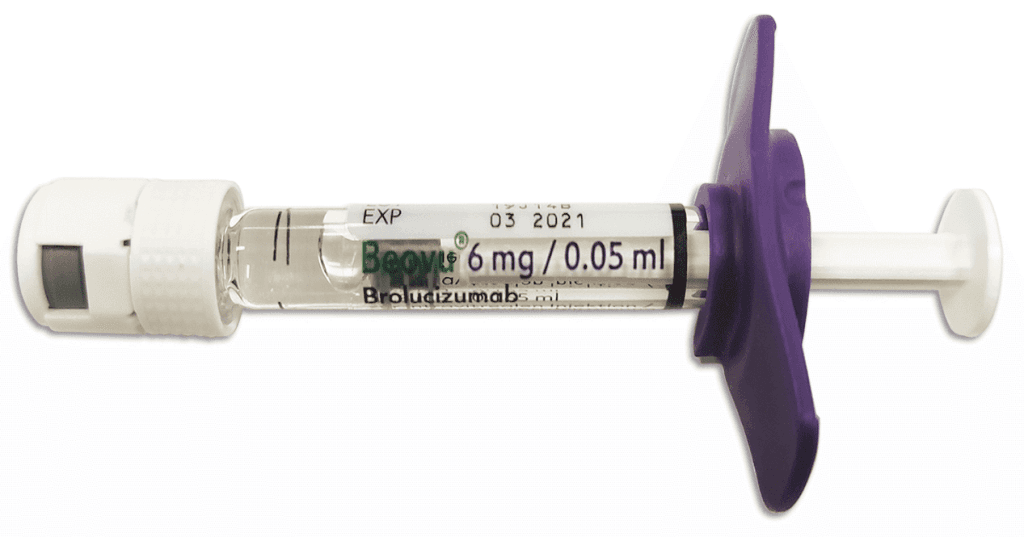
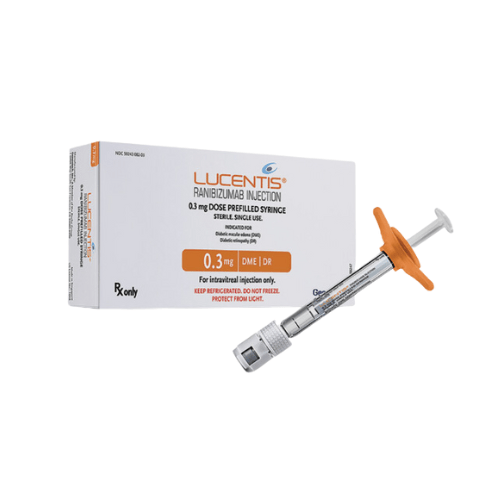
Wet AMD is often managed with anti-VEGF therapy given as intravitreal injections (medicine placed into the eye). Medication names that may appear include ranibizumab treatment, aflibercept treatment, and bevacizumab for AMD. Only a retina clinician can decide whether any option fits a specific case. This category page is meant to explain terms and support informed discussions.
For Neovascular Age-Related Macular Degeneration, safety planning also includes knowing what needs urgent attention. Sudden vision changes, new distortion, or new central dark spots can warrant prompt evaluation. After injections, new severe eye pain, major redness, or rapidly worsening vision can be urgent. Background information from the National Eye Institute is available here: Age-Related Macular Degeneration overview.
- Smoking and AMD risk: smoking is a well-known AMD risk factor
- Medication lists matter, especially blood thinners and eye drop allergies
- Test names can be confusing, so ask what each test is assessing
- Bring up new flashes or floaters, since they can signal other issues
Why it matters: Early recognition of vision distortion can protect daily functioning and safety.
Medispress uses a secure, HIPAA-compliant app for telehealth appointments.
For plain-language explanations of symptoms and vision changes, the American Academy of Ophthalmology provides a helpful page: Wet macular degeneration basics.
Access and Prescription Requirements
Prescription rules depend on the medication and the care setting. Many wet AMD treatments are administered in a clinic, not dispensed for home use. Other supportive medications may still require a standard prescription. Pharmacies and clinicians also need accurate identity and prescription verification for regulated medicines.
Neovascular Age-Related Macular Degeneration care often includes in-person exams, imaging, and procedure visits. Telehealth may still play a role for education, medical history review, or coordinating non-procedure prescriptions when clinically appropriate. Some patients also use cash-pay options, often without insurance, when coverage is limited. Licensed dispensing and documentation checks still apply.
- Expect requests for prior eye records, imaging reports, or referral details
- Confirm whether the medication is clinic-administered or pharmacy-dispensed
- Ask how follow-up timing is decided, including “treat and extend” language
- Review possible side effects and interaction concerns with a clinician
When clinically appropriate, clinicians may coordinate prescriptions through partner pharmacies, following state regulations.
Related Resources
Some vision symptoms overlap across different retinal conditions. Comparing similar terms can reduce confusion during referrals and follow-ups. For example, CNV language is also used in high myopia-related eye disease. Browse Myopic Choroidal Neovascularization for a side-by-side terminology check.
Neovascular Age-Related Macular Degeneration can affect reading, driving, and screen use. Practical vision habits and accessibility changes may help daily routines feel steadier. For general vision-support education, see Better Vision Tips. This collection is also a good place to revisit key terms before appointments.
- Use the condition collections to compare definitions and abbreviations
- Save key questions for imaging results, symptoms, and follow-up scheduling
- Bring a medication list to reduce delays during prescription review
This content is for informational purposes only and is not a substitute for professional medical advice.

Find suitable medication for Neovascular Age-Related Macular Degeneration
Book a telehealth visit to discuss Neovascular Age-Related Macular Degeneration
Find a doctor
Speciality
State

Video Visit
$69

Video Visit
$69

Video Visit
$69

Video Visit
$69

Video Visit
$69

Video Visit
$69

Speciality: Dermatology, Family Medicine, Men's Health, Urgent Care, Women's health
Speaks: English, Spanish, French, Arabic, Portuguese
Video Visit
$69

Video Visit
$69

Video Visit
$69

Video Visit
$69

Video Visit
$69

Video Visit
$69
Frequently Asked Questions
What is neovascular (wet) age-related macular degeneration?
Neovascular age-related macular degeneration, often called wet AMD or nAMD, involves abnormal blood vessel growth under the macula. Those vessels can leak fluid or bleed, which may distort central vision. People may notice wavy lines (metamorphopsia) or a new dark spot in the center of vision. Many care plans include retinal imaging such as OCT and may involve anti-VEGF medicines given by eye injection. A retina specialist confirms the diagnosis and treatment approach.
How is Neovascular Age-Related Macular Degeneration different from dry AMD?
Dry AMD typically involves gradual changes in the macula, often with drusen deposits. Wet AMD involves new, fragile blood vessels (choroidal neovascularization) that can leak or bleed. That difference is important because monitoring and treatment pathways can differ. Clinic notes may mention fluid under the retina, hemorrhage, or macular neovascularization when wet AMD is present. An eye clinician uses exam findings and imaging to distinguish these forms and guide follow-up planning.
What information on this category page is most useful before an appointment?
The most useful items are the terms that appear in referrals and test reports. That includes wet AMD versus dry AMD language, CNV wording, and common imaging names like OCT. Medication class terms, such as anti-VEGF therapy, can also help when reading summaries. This page is also helpful for administrative planning, like understanding which treatments are clinic-administered versus pharmacy-dispensed. It can support more organized questions for a retina specialist visit.
Which symptoms can suggest urgent eye evaluation in wet AMD?
Some symptoms can warrant prompt evaluation because they may reflect a rapid change. Examples include sudden worsening of central vision, new pronounced distortion of straight lines, or a new central dark spot. Severe eye pain, significant redness, or rapidly worsening vision after an eye procedure can also be urgent. Flashes of light or a sudden shower of floaters may signal other eye problems. A licensed clinician can advise the right level of care for symptoms.
Can telehealth be part of care for wet AMD?
Telehealth can be useful for education, reviewing medical history, and discussing test terminology. It may also help with administrative coordination for certain prescriptions when clinically appropriate. However, many wet AMD treatments involve in-office exams, imaging, and intravitreal injections performed by eye specialists. On Medispress, visits are video-based with licensed U.S. clinicians, and prescription coordination may involve partner pharmacies when allowed by state rules.