


Nasal Polyps
Care Options and Resources for Nasal Polyps
This category page covers Nasal Polyps and related long-term sinus inflammation topics. It is written for patients and caregivers who are comparing options and next steps.
Content here focuses on practical details that affect planning. That includes symptom patterns, common evaluations, and how care is often organized.
Nasal Polyps What You’ll Find
This browse page brings together condition-aligned listings and plain-language education. It focuses on soft, painless growths that form inside the nose and sinuses.
Many people notice ongoing congestion, postnasal drip, facial pressure, or snoring. Loss of smell can also happen, especially with chronic inflammation.
Some pages also reference CRSwNP (chronic rhinosinusitis with nose polyps). That term is used when symptoms last for months and keep returning.
Listings may include prescription-required therapies and supportive, non-prescription items. Details often highlight medication form, safety considerations, and refill limitations.
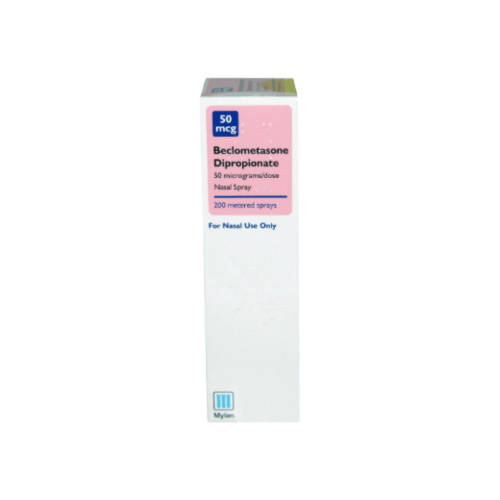
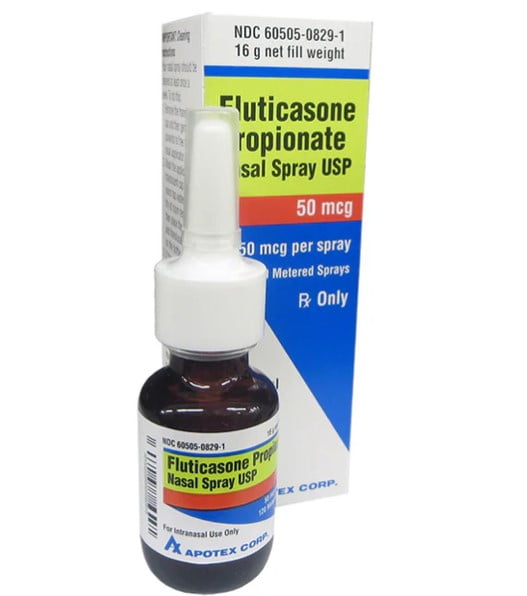
- Medication class overviews, such as nasal corticosteroid sprays and other anti-inflammatory options
- Notes on evaluation methods, including nasal endoscopy (camera exam) and sinus CT scan imaging
- Context for surgical terms, like endoscopic sinus surgery for polyps or a polypectomy (polyp removal)
- Common reasons symptoms return, including recurrence after prior procedures
- Navigation to related nasal concerns that share similar symptoms
Medispress telehealth visits use secure video with U.S.-licensed clinicians in a HIPAA-compliant app.
Some symptoms overlap with other conditions in the directory. Related browsing can start with Nasal Congestion collections.
How to Choose
Options vary based on symptom burden and prior history. Clear comparisons can reduce surprises during an ENT visit or medication review.
When browsing Nasal Polyps listings, look for plain labels and complete safety notes. It helps to flag related conditions, like asthma or aspirin sensitivity (AERD).
Match the option to the situation
- Symptoms that keep returning, despite typical allergy care
- Loss of smell, mouth breathing, or sleep disruption
- Known asthma, especially with frequent flare patterns
- Aspirin sensitivity AERD (aspirin-exacerbated respiratory disease) history or concern
- Past procedures, including endoscopic sinus surgery, and what changed afterward
- One-sided blockage, which can need closer in-person evaluation
- History of frequent sinus infections, antibiotics, or steroid bursts
- Age considerations, since polyps in children are less common
Use the listing details well
- Whether a product is prescription-only or non-prescription support
- Administration route, such as spray, rinse, oral tablet, or injection
- Common monitoring needs mentioned for a medication class
- Red-flag notes that suggest in-person ENT assessment
- Documentation listed for refills, follow-ups, or pharmacy processing
Question lists can also make visits more efficient. Common topics include triggers, prior response patterns, and timing of symptom changes.
Quick tip: Keep a short symptom timeline for faster intake forms.
Safety and Use Notes
Many conditions can mimic nose polyps, including allergic rhinitis and chronic infection. An exam helps separate swelling from a true growth.
Some medicines used in Nasal Polyps care can affect sleep, mood, or blood sugar. People with glaucoma, ulcers, or immune conditions may need extra review.
Why it matters: A single-sided growth can require a more careful workup.
ENT clinicians may confirm findings using nasal endoscopy and imaging. A sinus CT scan can help map sinus anatomy before surgery planning.
Care plans often start with anti-inflammatory approaches and symptom control. In selected cases, biologic therapy may be discussed for severe chronic disease.
- Share all current medicines, including inhalers and supplements, to check interactions
- Discuss pregnancy or breastfeeding status before any prescription decisions
- Report asthma control patterns and any aspirin or NSAID reactions
- Review steroid exposure history, including past short oral courses
- After surgery, follow the surgeon’s postoperative care plan and follow-up schedule
- Ask how recurrence is monitored after a prior procedure
Clinicians make the final call on evaluation and prescriptions for each situation.
Access and Prescription Requirements
Some therapies in this collection require a prescription and pharmacy verification. Dispensing is handled by licensed pharmacies, following applicable rules.
Non-prescription support items may also appear alongside prescription options. Each listing should clarify what requires clinician authorization.
For cash-pay access, some options may be available without insurance. Requirements can vary by medication, state rules, and clinical appropriateness.
For Nasal Polyps questions, telehealth can help review history and current medicines. An in-person ENT exam may still be needed for endoscopy or surgical decisions.
- A current medication and allergy list, including aspirin and NSAID reactions
- Any prior ENT notes, procedure summaries, or pathology results if available
- Dates and outcomes of prior treatments, including sprays or oral steroids
- Asthma history, inhaler use, and any recent flare patterns
- Prior imaging reports, such as sinus CT results, if already completed
- Key symptoms to document, including smell changes and obstruction patterns
When appropriate, prescriptions may be coordinated through partner pharmacies, subject to state regulations.
Related Resources
Several nasal concerns overlap with chronic inflammation and blockage. Browse Nasal Dryness and Nasal Crusts if irritation is a main feature.
Breathing symptoms can also come from conditions outside the nose. The Medispress reading page Serious Signs Of Pulmonary Hypertension reviews warning signs that need prompt attention.
For a clinical overview of Nasal Polyps, these references can add context. For a neutral government source, see MedlinePlus on Nose Polyps, and for ENT basics, review ENTHealth condition overview.
This content is for informational purposes only and is not a substitute for professional medical advice.

Find suitable medication for Nasal Polyps


Book a telehealth visit to discuss Nasal Polyps
Find a doctor
Speciality
State

Video Visit
$69

Video Visit
$69

Video Visit
$69

Video Visit
$69

Video Visit
$69

Video Visit
$69

Speciality: Dermatology, Family Medicine, Men's Health, Urgent Care, Women's health
Speaks: English, Spanish, French, Arabic, Portuguese
Video Visit
$69

Video Visit
$69

Video Visit
$69

Video Visit
$69

Video Visit
$69

Video Visit
$69
Frequently Asked Questions
What will this category page help with?
This page supports browsing and education for people dealing with ongoing nasal blockage and sinus symptoms. It may include listings that relate to prescription therapies, plus non-prescription support items. It also explains common terms that appear in care plans, like nasal endoscopy and sinus CT imaging. Use it to compare formats, safety notes, and typical next steps, without replacing individualized medical care.
How do clinicians usually diagnose polyps in the nose?
Diagnosis often starts with a symptom history and a focused head and neck exam. ENT clinicians may use nasal endoscopy (a small camera exam) to look inside the nasal passages. Imaging, such as a sinus CT scan, can help assess sinus anatomy and extent of inflammation. Clinicians also consider allergy history, asthma, and medication reactions. One-sided findings often prompt a more careful evaluation.
What care options are commonly discussed for polyps related to chronic sinusitis?
Care discussions often include anti-inflammatory approaches and ways to reduce swelling. Medication classes may include nasal corticosteroid sprays and, in selected cases, biologic therapies for severe chronic disease. When symptoms persist or recur, surgical options like endoscopic sinus surgery or polypectomy may be considered. Follow-up matters because recurrence can happen. A clinician weighs benefits and risks based on history, exam findings, and other conditions.
When can an ENT visit be especially important?
An ENT visit is often considered when symptoms are persistent, severe, or keep returning. One-sided blockage, frequent nosebleeds, or a new mass sensation can need closer assessment. Ongoing loss of smell, significant facial pressure, or repeated sinus infections can also prompt referral. People with asthma or aspirin sensitivity (AERD) may benefit from coordinated care. Children with suspected polyps often need specialist evaluation too.
What is helpful to have ready for a telehealth visit about sinus symptoms?
Having clear background details can make the visit more efficient. Prepare a current medication list, allergies, and any aspirin or NSAID reactions. Note key symptom patterns, including blockage, drainage, and smell changes. If prior ENT notes, procedure summaries, or CT reports exist, keep them available. Clinicians may still recommend an in-person exam for nasal endoscopy or surgical planning, depending on findings.